Counting the waves…
Counting the waves…

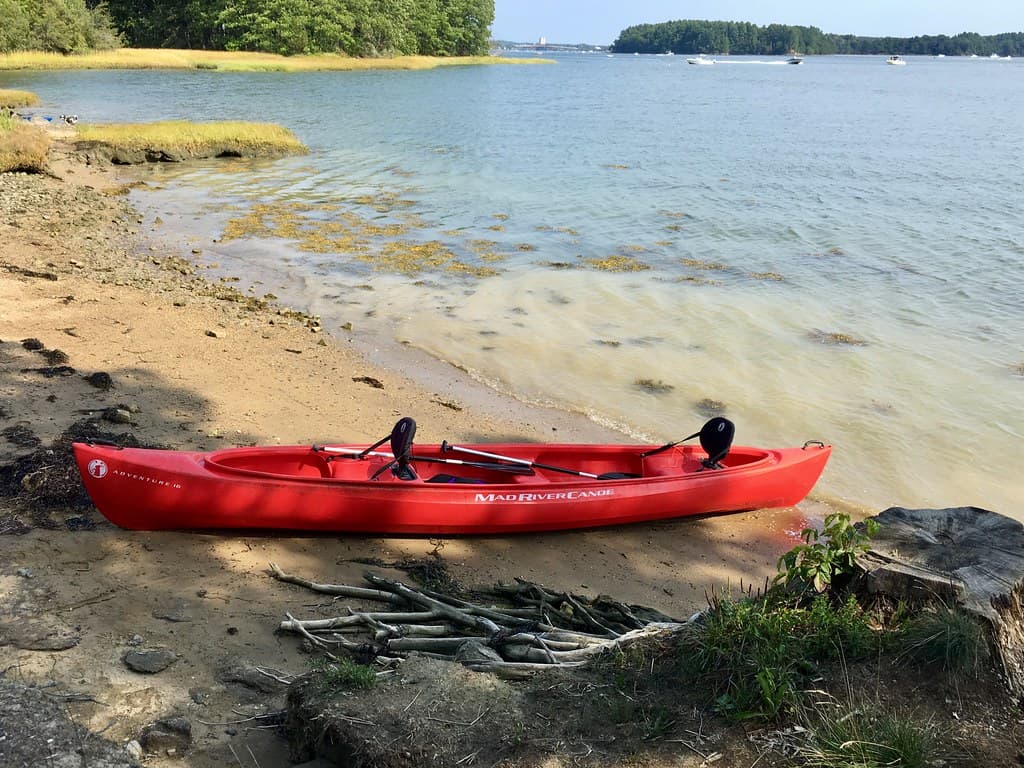
The shore reveals itself gradually as you follow the narrow access path through dense thickets of cattail and phragmites. What emerges isn't the postcard Atlantic beachfront fifteen miles east, but something quieter—a tidal creek shoreline where the water shifts from olive to pewter depending on the light, where hermit crabs scuttle across exposed flats at low tide, and where the air carries the mineral tang of salt marsh peat. You'll want to time your visit with the tide tables. At high water, the creek brims nearly to the grasses, perfect for launching a kayak into the labyrinth of channels threading toward Great Bay. At ebb, the mudflats stretch wide, ribbed and glistening, studded with periwinkle shells and the occasional blue mussel cluster. Great blue herons work the shallows with surgical patience; snowy egrets flash white against the darker spartina. This is New Hampshire's hidden coastline—not the tourist magnet of Hampton Beach but the working estuary where the Oyster River meets tidal influence, where University of New Hampshire researchers study eelgrass beds and local paddlers know the back channels by heart. Bring binoculars, a field guide, and an appreciation for landscapes that shift twice daily with the Atlantic's ancient rhythm.
Places, rentals, tours and events within walking and driving distance of Lubberland Creek Shoreline.
Photos
Lubberland Creek Shoreline is primarily a tidal creek area rather than an ocean beach, so swimming conditions differ from traditional beaches. The water is generally calm but shallow, with mudflats exposed during low tide. There are no lifeguards on duty. The creek is more suitable for wading, kayaking, or paddleboarding than swimming. Water quality can vary depending on recent rainfall and tidal conditions. Always check tide schedules before visiting, as the shoreline appearance changes dramatically between high and low tide.
Lubberland Creek Shoreline offers year-round access, with each season providing different experiences. Summer brings warmer temperatures ideal for kayaking and wildlife watching. Fall offers stunning foliage views and fewer crowds. Spring is excellent for birdwatching during migration season. Winter visits can be peaceful but cold. For the most accessible shoreline, visit during high tide when water fills the creek. Early morning or late afternoon provides the best light for photography and wildlife observation, particularly for spotting herons and other marsh birds.
Lubberland Creek Shoreline is located near the University of New Hampshire campus in Durham. Access is somewhat limited as this is a lesser-known, hidden spot. The area can be reached via walking trails from nearby neighborhoods or university paths. Parking is limited and typically requires using nearby street parking or university lots (check restrictions). This is not a developed beach facility, so don't expect dedicated beach parking lots. Local knowledge or mapping apps will help identify the best access points for your visit.
Lubberland Creek Shoreline has no on-site amenities, so plan accordingly. Downtown Durham, just minutes away, offers restaurants, cafes, and shops serving the university community. You'll find diverse dining options from casual to upscale. For lodging, Durham has limited hotels, but nearby Portsmouth (15 minutes) offers more accommodations ranging from historic inns to modern hotels. Bring your own supplies, including water, snacks, and sun protection, as there are no facilities, restrooms, or vendors at the shoreline itself.
Unlike New Hampshire's popular ocean beaches, Lubberland Creek Shoreline offers a tranquil tidal creek ecosystem rather than surf and sand. This hidden gem provides a more intimate, natural experience with scenic marsh landscapes, abundant birdlife, and peaceful surroundings away from tourist crowds. The dramatic tidal changes create an ever-shifting landscape of mudflats and water channels. It's particularly special for kayakers, nature photographers, and those seeking quiet contemplation rather than traditional beach activities. The proximity to UNH campus also gives it a unique local character.