Counting the waves…
Counting the waves…
A refined fusion of water purity, environmental stability, and communal vibrancy for Rye Harbor State Park Beach.
View MethodologyAnalyzed via live sensors and environmental data.
Wave height, wind, and atmospheric stability.
Live footfall and crowd balance metrics.
Community reviews and curated sentiment.
“You'll smell the brine and diesel before you see the boats—this is a beach where lobstermen haul traps alongside families building driftwood forts. The rocky shore shelters calm pools at low tide, while the adjacent…”
Limited recent visitor reports — live OBI telemetry is your best guide for current conditions.
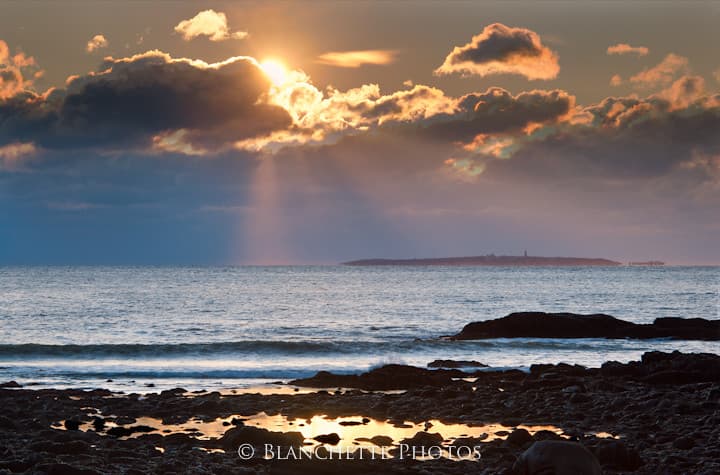
The beach at Rye Harbor State Park spreads along the northern edge of a bustling commercial fishing harbor, where the scent of salt marsh mingles with the rumble of fishing boats heading out past the granite jetties. You'll walk across smooth stones worn oval by centuries of waves, not sand, and the shoreline reveals itself differently with each tide—high water brings gentle lapping against the rocks, while the ebb exposes barnacle-covered boulders and shallow pools teeming with green crabs and periwinkles.
Families claim spots among the boulders, using beach towels as cushions against the sun-warmed granite. Children crouch beside tide pools with plastic buckets, their shouts of discovery punctuating the cry of herring gulls overhead. The harbor's stone jetty extends into the Atlantic, a favorite perch for anglers casting into the current where striped bass hunt in the rips.
 Credit: Unsplash
green grass on beach shore during daytime
 Credit: Unsplash
people on beach during daytime
Protected harbor side stays gentle
Fishing fleet departs at dawn
Granite blocks lead to channel
Where it is
Rye Harbor State Park Beach
Rye, New Hampshire, USA
43.013700°, -70.742300°
Weather
Loading…
Swell
—
Temp
Warm · Restorative
UV Index
Moderate
Wind
—
Tidal State
Last known
Max Sunlight
—
Ideal Shade
—
May - Sep (Peak)
Jan - Dec (Off-season)
Historical data suggests peak visibility and stable sea temperatures occur during the prime visitation window.
Select a category to load nearby places.
Unlock restaurants, luxury stays and curated maritime experiences within 2km
Rye Harbor State Park Beach is generally calm and suitable for families, but conditions vary. The harbor area offers more protected waters compared to open ocean beaches, making it popular with young children. However, rocky areas require supervision, and currents near the harbor entrance can be strong. There are no lifeguards on duty, so swimming is at your own risk. Check local tide schedules and weather conditions before visiting. The beach is better known for tidepool exploration and beachcombing than heavy surf swimming.
Summer months (June-August) offer the warmest weather and water temperatures, ideal for swimming and beach activities. However, the park is accessible year-round and each season has appeal. Spring and fall provide quieter visits with pleasant temperatures for walking and wildlife watching. Low tide is best for exploring tidepools and discovering marine life. Weekday mornings are less crowded than summer weekends. Winter visits attract photographers and nature enthusiasts, though facilities are limited and weather can be harsh along New Hampshire's short coastline.
Rye Harbor State Park offers a paved parking lot with approximately 40-50 spaces near the beach. Parking is metered seasonally (typically Memorial Day through Labor Day), with fees around $4 per hour or $15 daily, payable via credit card or the ParkMobile app. The lot fills quickly on summer weekends and holidays, often by mid-morning. Overflow parking is extremely limited on surrounding streets. Arrive early during peak season. Off-season parking is generally free and more readily available, making shoulder season visits more convenient.
Rye Harbor Marina, adjacent to the park, features seafood restaurants including Ray's Seafood Restaurant and Petey's Summertime Seafood, both offering fresh catches and harbor views. Additional dining options line Ocean Boulevard within a few miles. For lodging, nearby Portsmouth (10 minutes) offers numerous hotels, inns, and bed-and-breakfasts. Closer options include seasonal motels along Route 1A in Rye and Hampton. The beach has restroom facilities but no concessions, so bring your own food and drinks or plan to visit nearby establishments.
Yes, Rye Harbor State Park Beach offers excellent views of the working harbor, including New Hampshire's commercial fishing fleet and the iconic stone breakwater extending into the Atlantic. The harbor remains an active fishing port, and you'll often see lobster boats departing early morning or returning with catches. The breakwater, built in the early 1900s, is popular with fishermen but can be dangerous due to waves and slippery rocks. The beach provides a scenic vantage point to watch maritime activity without venturing onto the jetty itself.
Photos