Counting the waves…
Counting the waves…

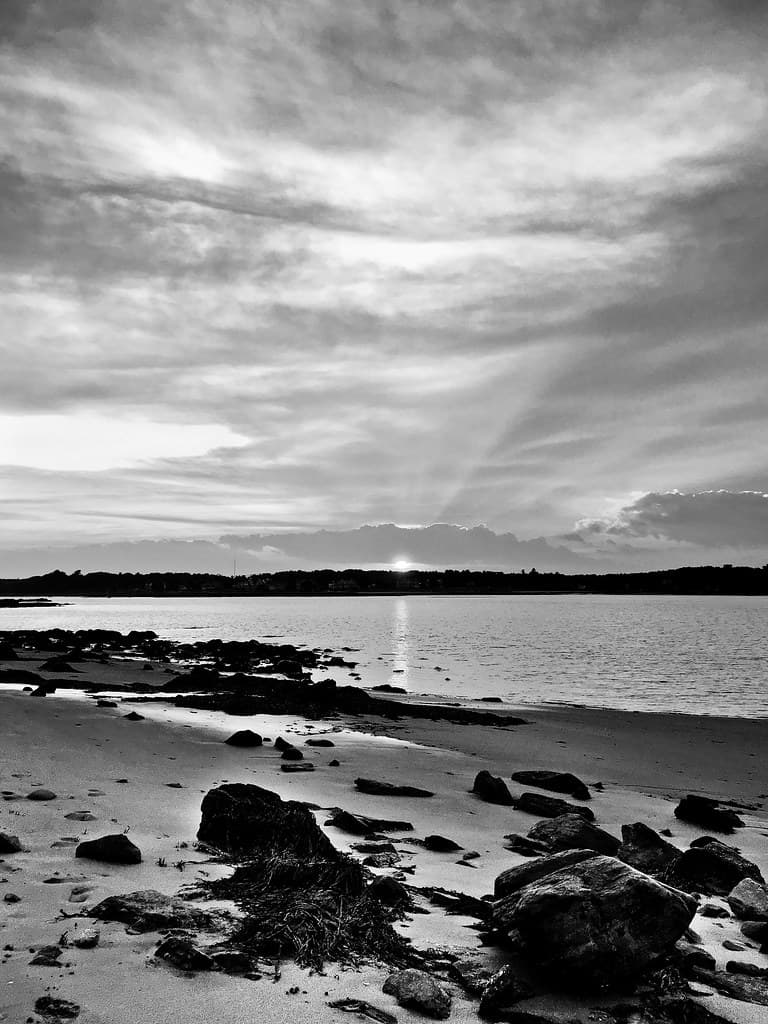
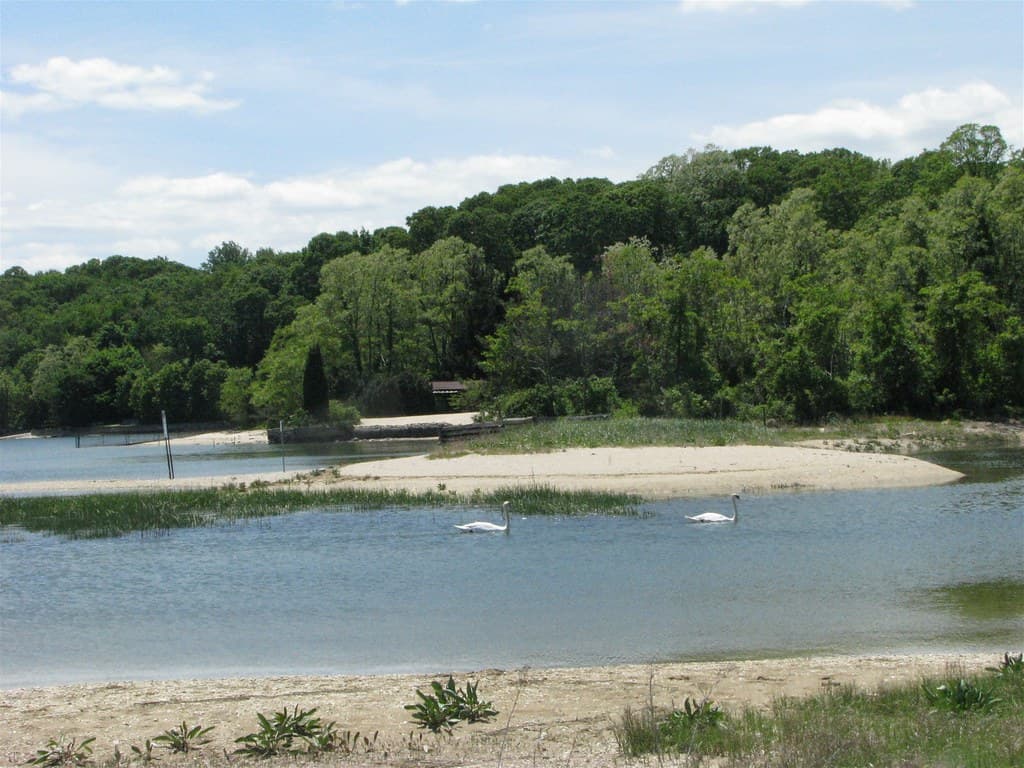
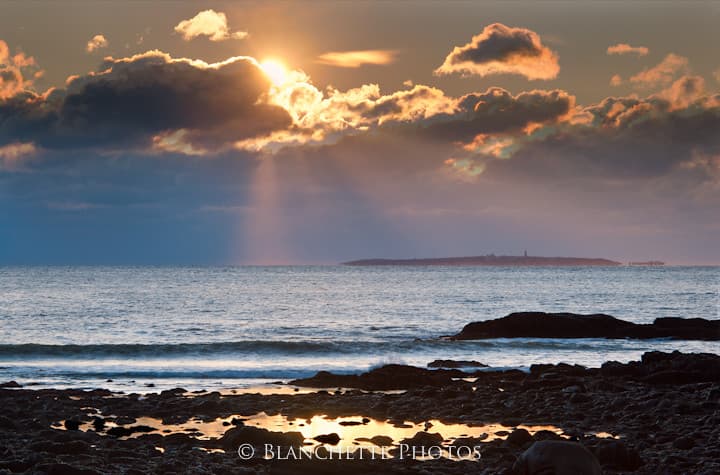
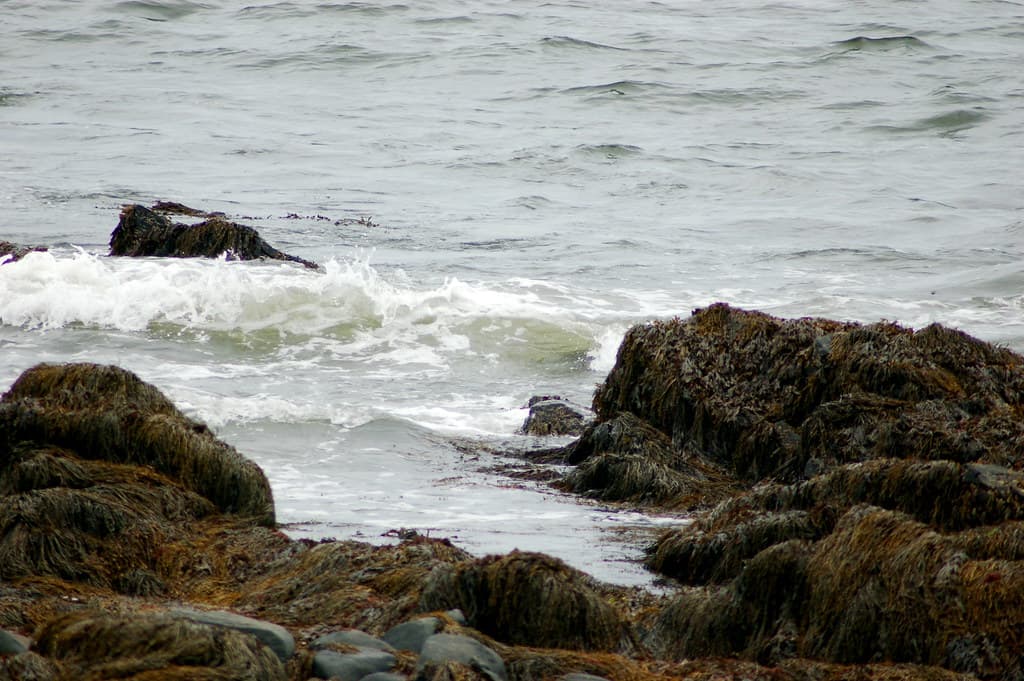
Odiorne Point sprawls along New Hampshire's largest undeveloped stretch of shore, where the Seacoast Science Center anchors 330 acres of state park. You'll walk past concrete bunkers—relics of World War II coastal defense—now softened by lichen and framed by beach roses. The shoreline here isn't what most people picture when they think "beach": it's a tumble of granite and schist left behind by retreating glaciers, interspersed with small crescents of coarse sand and mussel shells ground smooth by the Atlantic. Low tide reveals an entire world in miniature. You'll crouch beside pools trapped in the rocks, watching hermit crabs scuttle beneath bladderwrack and sea stars cling to the undersides of stones. Harbor seals bob offshore, their dark heads disappearing and reappearing in the swells. The beach faces southeast toward the Isles of Shoals, those distant humps visible on clear days, with lobster buoys dotting the water in bright reds and yellows. The park's trails wind through maritime forest—gnarled oaks and sumac that give way to salt marsh, where great blue herons stalk the shallows. You'll picnic at tables overlooking Little Harbor, watching sailboats tack toward Portsmouth. In winter, when snow dusts the bunkers and ice forms in the tide pools' edges, you'll have the frozen shoreline nearly to yourself, the only sound the tide's patient work against stone.
Places, rentals, tours and events within walking and driving distance of Odiorne Point Beach.
Photos
Odiorne Point Beach is not ideal for traditional swimming due to rocky shoreline, strong currents, and cold Atlantic waters. The beach is better suited for wading, tide pooling, and exploring. There are no lifeguards on duty. Families with children should supervise closely near the water's edge. The adjacent Odiorne Point State Park offers safer, shallow areas for young children to splash in tide pools during low tide. Always check tide schedules and wear appropriate footwear to navigate the rocky terrain safely.
Odiorne Point Beach is accessible year-round, with each season offering different experiences. Summer (June-August) provides the warmest weather for tide pooling and picnicking, though waters remain chilly. Spring and fall offer excellent opportunities for wildlife watching and fewer crowds. Winter visits reward hardy explorers with dramatic ocean views and peaceful solitude. Low tide is ideal for exploring tide pools and marine life regardless of season. The park typically opens daily from 8am to sunset, with visitor center hours varying seasonally.
Odiorne Point Beach is located within Odiorne Point State Park on Route 1A in New Castle, about 3 miles south of downtown Portsmouth. The park has a large parking lot off Route 1A with ample space for visitors. New Hampshire charges a day-use fee from Memorial Day to Labor Day, typically around $4 for adults. Parking is free in the off-season. From Portsmouth, follow Route 1A south along the scenic coast. No public transportation directly serves the beach, so a personal vehicle is recommended.
The beach has basic facilities including restrooms and picnic areas, but no food vendors on-site. Several restaurants are located along Route 1A within a few miles, including casual seafood spots in nearby Rye and New Castle. For lodging, the charming town of Portsmouth (3 miles north) offers numerous hotels, inns, and bed-and-breakfasts. Rye Harbor and Hampton Beach, both within 10 miles, provide additional dining and accommodation options ranging from budget motels to upscale oceanfront resorts and vacation rentals.
The Seacoast Science Center is an interactive marine science museum located within Odiorne Point State Park. It features touch tanks with local sea creatures, aquariums, exhibits about Gulf of Maine ecology, and educational programs for all ages. The center offers guided tide pool walks, seal watches, and nature programs. Admission is separate from park entry and typically costs around $10-15 for adults. The facility includes a gift shop and provides an excellent educational complement to beach exploration, especially for families with children interested in marine life.