Counting the waves…
Counting the waves…
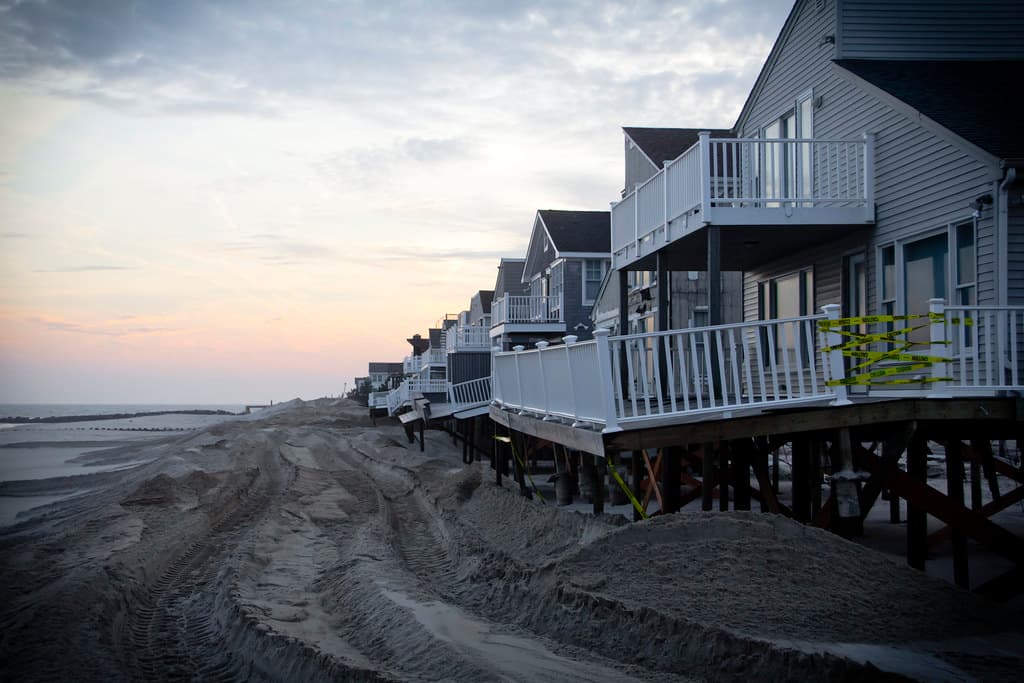
Holgate Wilderness Beach occupies the windswept terminus of Long Beach Island, a place where the ecosystem politely insists you're a guest, not the headliner. The sand here runs coarse underfoot, textured with crushed shells and stippled by the footprints of sanderlings working the wrack line. No boardwalk, no concession stand—just tidal flats stretching west toward Little Egg Harbor and breakers rolling in from open ocean. During nesting season, sections close to protect piping plovers, a reminder that not every shoreline exists for your convenience. You'll drive down a narrow refuge road flanked by sea grass and bayberry, parking in sandy lots that flood during spring tides. Bring a beach cart if you value your shoulders; it's a haul from car to water. The shore faces southeast, catching swells that wrap around Brigantine to the north and drawing a quiet cadre of surf fishers who work the cuts at dawn. Winds can whip sand into your lunch without warning. What keeps people returning isn't novelty—it's the absence of engineered charm. No lifeguards patrol here; no rental chairs await. You navigate by dune profile and the distant silhouette of the Barnegat Lighthouse. On autumn afternoons, when the light slants gold across cordgrass and the beach empties save for a few determined walkers, Holgate delivers something increasingly scarce along the Jersey Shore: solitude earned by minor inconvenience.
Places, rentals, tours and events within walking and driving distance of Holgate Wilderness Beach.
Photos
Holgate Wilderness Beach has no lifeguards on duty, so swimming is at your own risk. The beach experiences typical Atlantic Ocean conditions including strong currents, riptides, and wave action that vary by season and weather. Strong undertows can occur, especially during storms or high tide. If you choose to swim, stay close to shore, never swim alone, and be aware of changing conditions. Many visitors prefer wading or beachcombing rather than swimming. Always check local marine forecasts before entering the water.
Holgate offers year-round appeal but each season brings different experiences. Summer provides warm water and long beach days, though parts close for nesting shorebirds (typically April-August). Fall delivers comfortable temperatures, fewer crowds, and excellent fishing. Winter attracts nature photographers and solitude seekers, while spring offers prime birding opportunities. For beach activities without crowds, visit September through October. Note that the refuge portion has seasonal closures to protect piping plovers and other endangered species, so check current access before planning your trip.
Holgate Wilderness Beach is located at the southern end of Long Beach Island. From Beach Haven, drive south on Long Beach Boulevard until it ends at the refuge entrance. Free parking is available in a designated lot near the entrance. The beach requires walking from the parking area—there's no vehicle access on the sand. A 4WD permit is not needed. Access the island via Route 72 causeway from the mainland. During summer, arrive early as the small lot fills quickly on weekends and holidays.
Holgate Wilderness Beach has no facilities, restaurants, or amenities—it's truly undeveloped. There are no bathrooms, showers, food vendors, or equipment rentals. Bring everything you need including water, snacks, sunscreen, and beach gear. The nearest restaurants, shops, and accommodations are in Beach Haven, approximately 3 miles north, where you'll find various dining options, hotels, and vacation rentals. Public restrooms are available in Beach Haven. Pack out all trash as there are no garbage facilities at the beach itself.
Holgate is part of the Edwin B. Forsythe National Wildlife Refuge and closes sections seasonally to protect nesting shorebirds, particularly the federally threatened piping plover and least tern. Closures typically run April through August, though exact dates vary based on nesting activity. These birds nest directly on the sand and are extremely vulnerable to disturbance. Fenced areas mark protected zones. Even when open, some sections may remain restricted. This protection effort has helped increase local shorebird populations, making Holgate an important conservation area along the Atlantic Flyway.