Counting the waves…
Counting the waves…

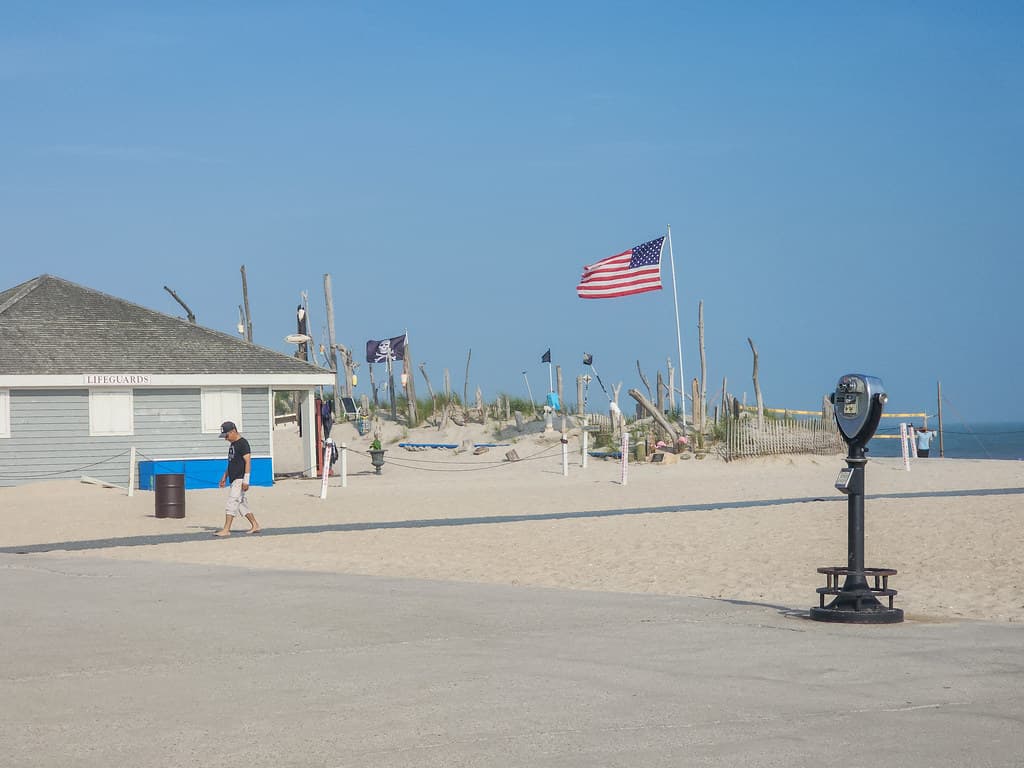
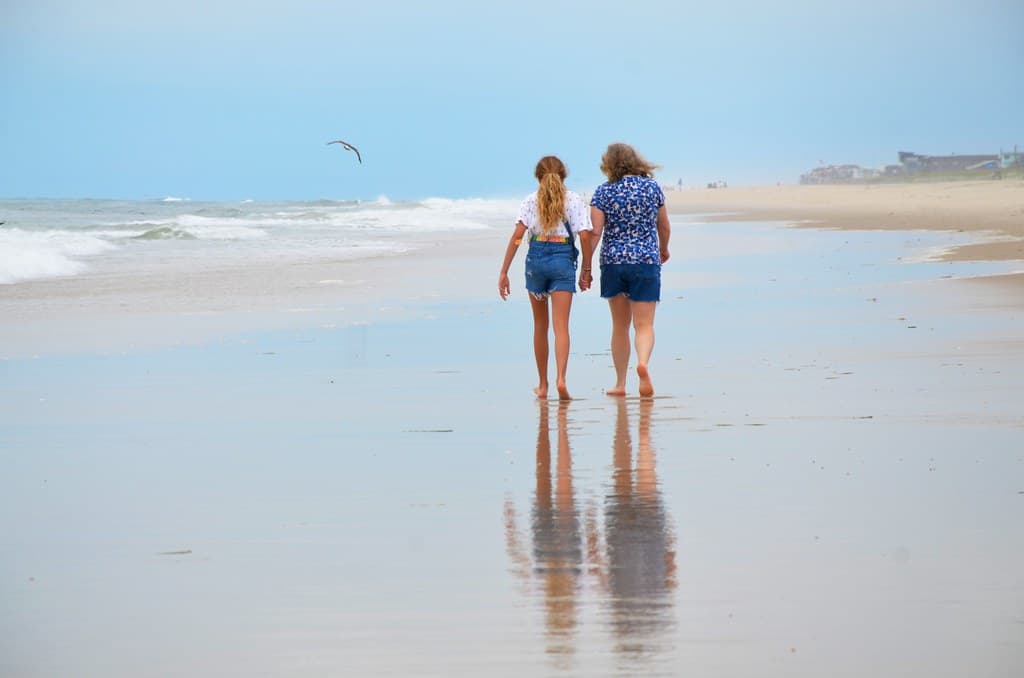
Ocean Beach lives up to its name with geographic honesty—this is the Atlantic at its most accessible on Fire Island, a barrier island where cars are forbidden and bicycles rule narrow wooden paths. You disembark at the ferry terminal clutching beach bags and coolers, joining the parade of day-trippers and summer renters who've turned this village into the island's busiest hub. The beach itself stretches wide and democratic: lifeguard towers anchor zones for families, surfers claim the breaks near the groins, and volleyball nets mark territories of sun-bronzed regulars. The sand here is coarse and blond, studded with quartz that glints under August sun. Dune grass sways behind snow fences installed each autumn to catch windblown sand and rebuild the barrier after winter storms. You'll taste salt on your lips within minutes, feel the pull of the undertow as waves recede over your ankles, hear the rhythmic clang of halyards against masts in the bay behind you. Mid-afternoon, the ice-cream parlor on Bay Walk does brisk business; by dusk, the same crowd reappears in flip-flops and cover-ups, drawn to outdoor patios where steamers and lobster rolls arrive on paper-lined trays. Ocean Beach doesn't offer solitude—summer Saturdays can feel like a beach-blanket bazaar—but it delivers something equally valuable: the pleasure of a car-free island where your biggest logistical challenge is whether to rent a wagon or carry your gear the six blocks from dock to dune.
Places, rentals, tours and events within walking and driving distance of Ocean Beach.
Photos
Ocean Beach generally offers good swimming conditions during summer months with lifeguards on duty from late May through early September. Atlantic Ocean currents can be strong, so always swim near lifeguard stands and check posted flags for daily conditions. Rip currents occasionally occur, especially after storms. The beach is family-friendly with gentle slopes near shore, though waves can be moderate. Avoid swimming during red flag warnings, and note that lifeguard coverage ends after Labor Day when swimming is at your own risk.
Summer (June through August) is peak season with warm temperatures, full amenities, and vibrant community events, though it's most crowded. Late May and September offer pleasant weather with fewer visitors and lower accommodation costs. Many businesses close after Columbus Day through spring. Winter visits are possible for peaceful walks and dramatic ocean views, but most restaurants and shops are shuttered, and ferry service is limited. Sunset viewing is spectacular year-round, particularly in fall when skies are clearest.
Ocean Beach is car-free and accessible only by ferry or water taxi. Take the Fire Island Ferries from Bay Shore (Long Island Rail Road accessible) year-round, with frequent summer service. The ferry ride takes approximately 30 minutes. Park your car at Bay Shore Ferry Terminal lots (fee required). Alternatively, use the Sayville Ferry during peak season. Once on the island, travel by foot or bicycle only—no cars are permitted in Ocean Beach village, making advance luggage planning essential.
Ocean Beach offers several dining options including casual beachside eateries, pizza spots, and seafood restaurants, mostly seasonal (Memorial Day to early October). The village has grocery stores for provisions and ice cream shops. Lodging includes family-run hotels, guesthouses, and vacation rental homes, with most properties requiring advance booking for summer weekends. Day-trippers can use public facilities near the ferry terminal. Many restaurants and accommodations operate weekends-only during shoulder seasons, so confirm hours before visiting off-season.
No, Ocean Beach is a car-free community like most Fire Island villages. The entire village operates on foot and bicycle traffic only, with boardwalks and sandy paths connecting homes and businesses. This pedestrian-only policy creates a unique, quiet atmosphere distinct from typical beach towns. Visitors use red wagons to transport luggage from the ferry. Emergency and service vehicles have limited access on specific routes. This car-free environment is a defining characteristic that attracts visitors seeking a peaceful, old-fashioned beach experience.