Counting the waves…
Counting the waves…

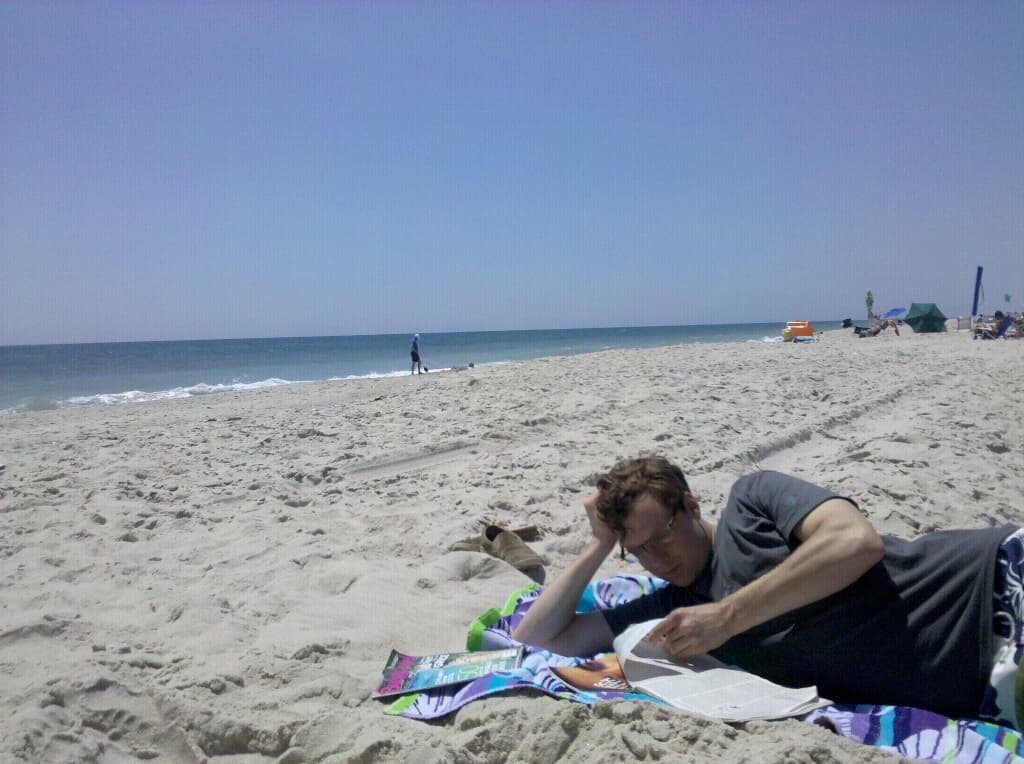
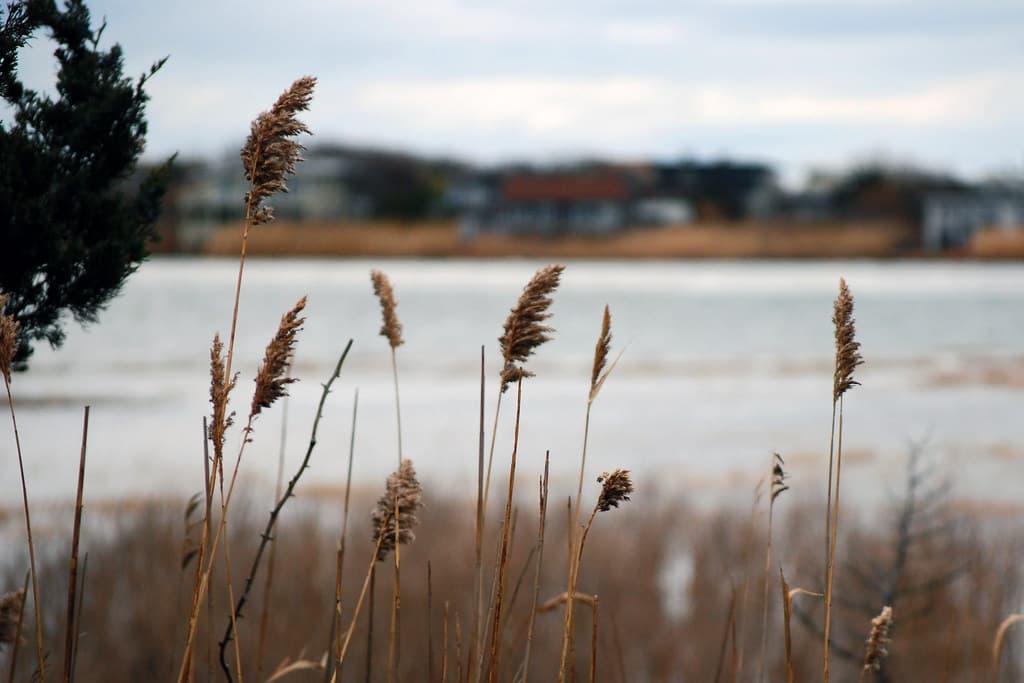
The ferry from Sayville deposits you in a village frozen somewhere around 1975, in the best possible way. No cars hum past, only the occasional clatter of a Radio Flyer over boardwalk slats. You navigate by cottage names—"Driftwood," "Second Wind"—threading through maritime forest until the path opens onto a strand where families stake out the same spots their grandparents claimed decades ago. The beach itself runs narrow but generous, hemmed by dunes thick with beach plum and rosa rugosa. Waves arrive in dependable sets, loud enough to drown out conversation but gentle enough for children testing their courage against the shorebreak. By late afternoon, the western sky ignites behind the bay, and you'll find yourself turning away from the ocean to watch sailboats silhouette against tangerine light. Saltaire operates on island time—groceries come by wagon, cocktails taste better in plastic cups, and the loudest sound after dark is the Atlantic's endless metronome. You won't find jet skis or beach clubs here, just towels pegged down with sneakers, paperbacks swollen with salt air, and the particular contentment of a place that refuses to perform for anyone.
Places, rentals, tours and events within walking and driving distance of Saltaire Beach.
Photos
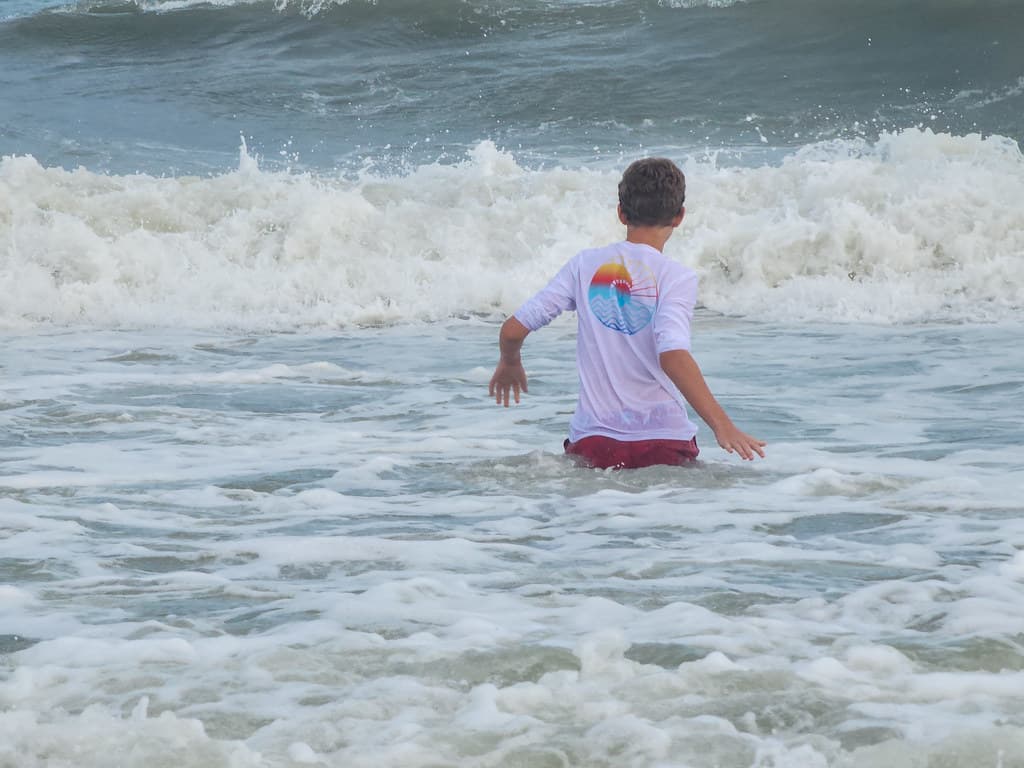
Saltaire Beach is generally safe for swimming during summer months when lifeguards are on duty. The beach faces the Atlantic Ocean, so expect moderate waves and occasional undertows typical of Fire Island's oceanfront beaches. Water temperatures are warmest from June through September. Always swim near lifeguard stations and check daily flag warnings. The beach is family-friendly with gentler surf compared to some neighboring Fire Island locations. Avoid swimming during storms or when red flags are posted, and be mindful of rip currents.
Summer (June-September) offers the warmest weather, with temperatures reaching 75-85°F and full amenities available. However, Saltaire Beach shines during shoulder seasons—late spring and early fall bring fewer crowds while maintaining pleasant temperatures in the 60s-70s. Winter visits appeal to those seeking solitude and dramatic coastal scenery, though facilities are limited and ferries run less frequently. Sunset viewing is spectacular year-round. Weekdays in summer are less crowded than weekends. Check Fire Island weather forecasts before visiting, as conditions can change quickly.
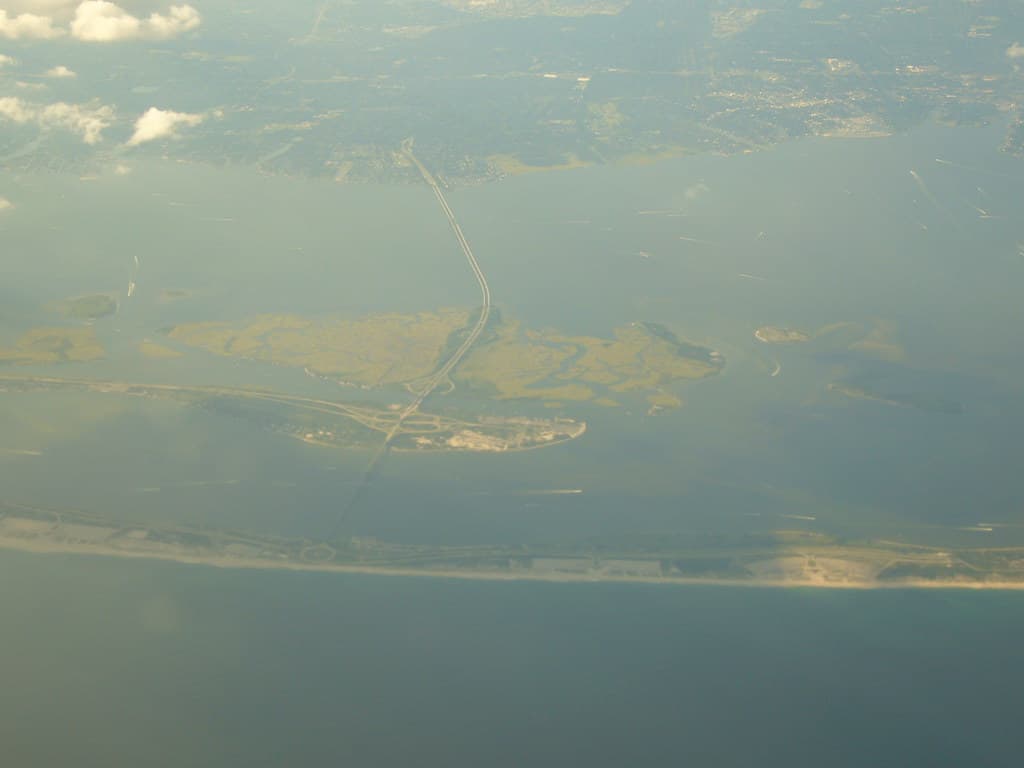
Saltaire Beach is car-free and accessible only by ferry or private boat. Take the Sayville Ferry from Long Island (about 30 minutes crossing time). Parking is available at the Sayville Ferry Terminal for a daily fee. The ferry runs year-round with reduced winter schedules. From the Saltaire ferry dock, the beach is a short walk through the village. No cars are permitted on Fire Island, so plan to walk or use a wagon for beach gear. Purchase ferry tickets online in advance during peak summer season.
Saltaire is a small residential community with limited commercial options. The Saltaire Market offers basic groceries and supplies. Nearby Ocean Beach (a short walk west) has more restaurants, cafes, and shops. Most visitors bring their own food and beach supplies from the mainland. Lodging primarily consists of private vacation rentals; book well in advance for summer. Public restrooms are available near the beach. There are no major hotels, making Saltaire quieter than other Fire Island communities. Day-trippers should pack everything they need.
Non-residents must purchase a daily or seasonal beach pass to access Saltaire Beach during the summer season (typically Memorial Day through Labor Day). Beach passes can be purchased at the village office near the ferry dock or sometimes from beach attendants. Fees help maintain this community beach. Off-season access is generally free but facilities are limited. Children under certain ages may enter free. The beach pass system helps preserve Saltaire's quiet, residential character while welcoming respectful day visitors to enjoy this genuine Fire Island experience.