Counting the waves…
Counting the waves…

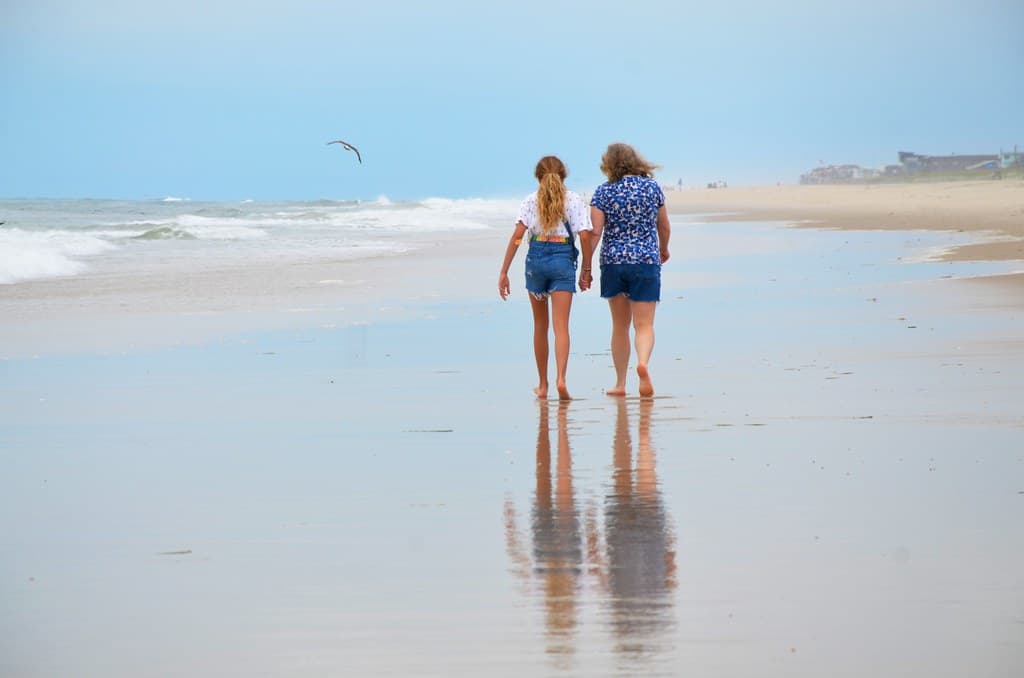
The fifteen-minute ferry from Sayville deposits you at a different Fire Island entirely—no summer house clusters, no party-town energy, just the Sunken Forest and a serious Atlantic beach that stretches in both directions with only gulls for company. You follow elevated wooden walkways over fragile dune grass, past groves of American holly twisted horizontal by salt wind, until the path opens onto a wide strand where waves hammer the shore with uninterrupted force. The national seashore designation means no development, no concession stands, just bathhouses and ranger-led walks through the maritime forest behind you. Families claim spots near the main access points while you wander east or west, watching oystercatchers probe the wrack line and sanderlings chase retreating foam. The water runs cold even in August, the undertow substantial enough to keep lifeguards alert and swimmers honest. By late afternoon, the beach empties as day-trippers catch return ferries. You might stay for the violet hour when deer emerge from the forest to browse dune edges, or head back through shadowed trails where the temperature drops ten degrees under the canopy. Either way, you've found the Fire Island that existed before the scene arrived—just barrier island, ocean, and the particular silence that comes from being genuinely hard to reach.
Places, rentals, tours and events within walking and driving distance of Sailors Haven Beach.
Photos
Sailors Haven Beach is generally safe for swimming during summer months when lifeguards are on duty, typically from late June through Labor Day. The beach faces the Atlantic Ocean, so waves and currents can be strong, especially during storms or rough weather. Always swim near lifeguard stations and check posted flags for daily conditions. Rip currents can occur, so if caught in one, swim parallel to shore rather than against the current. Outside lifeguard hours and off-season, swim at your own risk and use extra caution.
The best time to visit Sailors Haven Beach is from late June through early September when ferry service runs most frequently, lifeguards are on duty, and the Sunken Forest visitor center is open. July and August offer warmest water temperatures and peak beach weather, though they're also most crowded. Spring and fall provide quieter experiences with pleasant temperatures for hiking the Sunken Forest boardwalk, though swimming is chilly and ferry schedules are limited. Winter access is extremely restricted with minimal ferry service.
Sailors Haven Beach is accessible only by ferry or private boat, as Fire Island has no car access. The primary ferry departs from Sayville on Long Island's south shore, operating seasonally from late spring through fall. Ferry parking is available at the Sayville Ferry Terminal for a daily fee. The ferry ride takes approximately 30 minutes. Alternatively, visitors can arrive by private boat at the Sailors Haven marina. No cars are allowed on Fire Island itself, making advance planning essential for your visit.
Sailors Haven offers basic amenities including restrooms, outdoor showers, and a small concession stand operating during summer season with snacks, drinks, and beach essentials. However, dining options are very limited, so most visitors pack their own food and beverages. There's no overnight lodging directly at Sailors Haven. The beach has a visitor center with exhibits about the Sunken Forest maritime ecosystem. Cell phone service can be spotty. It's advisable to bring everything you need for the day, including sunscreen and water.
The Sunken Forest is a unique 300-year-old maritime holly forest located directly behind Sailors Haven Beach, accessible via a 1.5-mile boardwalk loop trail. This rare ecosystem sits below sea level, protected by dunes, creating a sheltered environment where American holly, sassafras, and shadbush trees thrive. The boardwalk allows visitors to explore without damaging the delicate habitat. Interpretive signs explain the forest's ecology, and ranger-led walks are sometimes available in summer. The trail provides welcome shade and a completely different experience from the beach itself.