

Counting the waves…
Counting the waves…

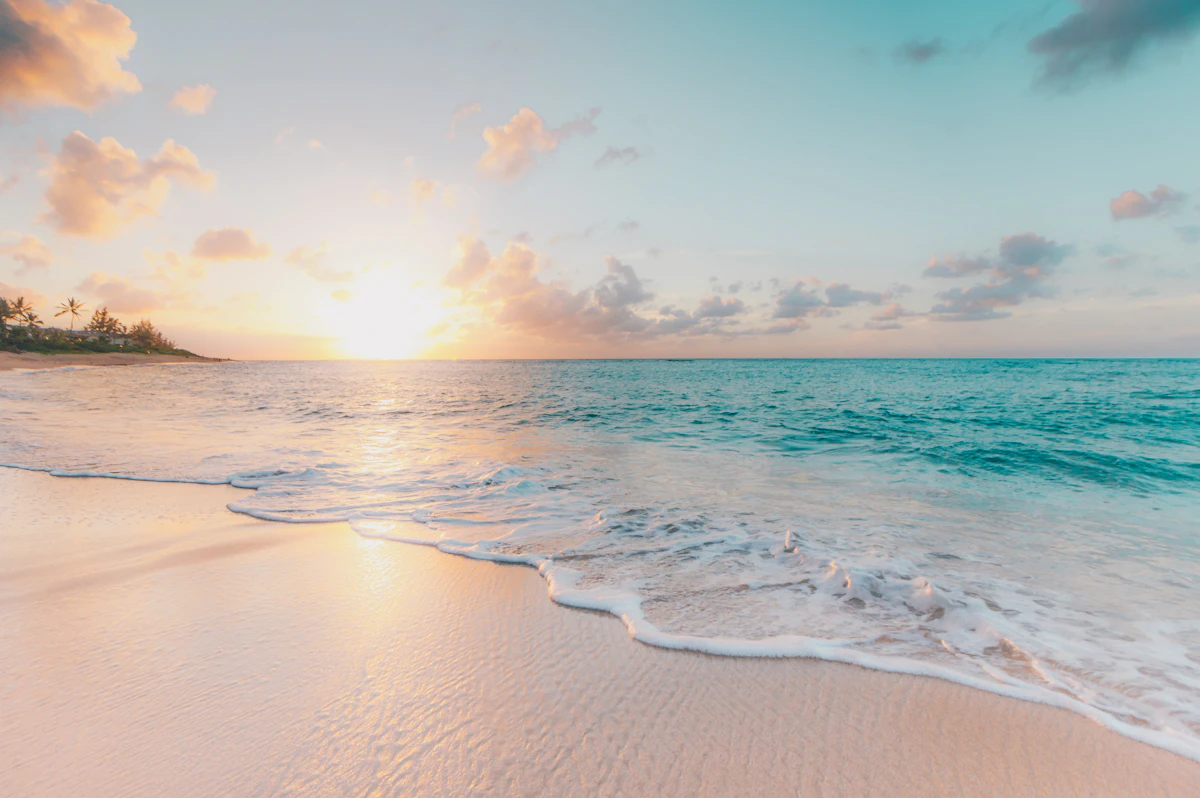
Fort Tilden sits at the western edge of the Rockaway Peninsula, a National Park Service enclave where nature has reclaimed what was once a Cold War military installation. You reach the sand by threading past graffitied bunkers and weathered batteries, their rusted doors gaping open to reveal chambers thick with shadows and salt air. The dunes rise high here, anchored by beach grass that hisses in the wind, and the shoreline stretches wide and empty in both directions. The beach itself feels removed from the city in a way that Coney Island and Rockaway Beach proper never do. You won't find boardwalks or concession stands—just sand, surf, and the occasional beachcomber scanning the tideline for skate-egg cases and horseshoe crab shells. The water runs cold even in July, and the current can pull hard on outgoing tides. Lifeguards patrol only a small designated swim zone in summer; outside those boundaries, you're on your own. Stay until evening and the light turns golden over Jamaica Bay behind you while the sun sinks into the Atlantic ahead. The abandoned structures cast long shadows across the dunes, and you might share the moment with a handful of locals who know to bring a jacket once the wind picks up. It's the kind of beach where solitude still exists within city limits.
Places, rentals, tours and events within walking and driving distance of Fort Tilden Beach.
Photos
Fort Tilden Beach has no lifeguards on duty, so swimming is at your own risk. The beach is part of Gateway National Recreation Area and features strong currents and undertow typical of Atlantic Ocean shorelines. The water quality is generally monitored by the National Park Service, but conditions vary seasonally. If you plan to swim, go during calm weather, stay close to shore, and never swim alone. The beach is better suited for sunbathing, walking, and enjoying nature than serious swimming.
Fort Tilden is best visited from late May through September when weather is warmest, with July and August offering peak beach conditions. However, spring and fall provide fewer crowds and pleasant temperatures for walking and sunset viewing. The beach is accessible year-round, making winter visits appealing for solitude and birdwatching. Weekdays are significantly quieter than weekends during summer. Sunset hours are particularly magical, as Fort Tilden faces south-southwest with excellent views. Arrive early on summer weekends, as parking fills quickly.
Fort Tilden is accessible by car via the Marine Parkway-Gil Hodges Memorial Bridge, with free parking available in designated lots that fill quickly on summer weekends. By public transit, take the A or Q35 bus to Rockaway Park, then transfer to the Q22 bus or bike/walk approximately 2 miles westward. The NYC Ferry Rockaway route operates seasonally to nearby Beach 108 Street. Biking is popular, with bike paths connecting to the broader Rockaway boardwalk network. No subway stops directly nearby.
Fort Tilden has very limited amenities—portable restrooms are available but no food concessions, showers, or lodging onsite. This undeveloped beach requires visitors to bring their own food, water, and supplies. Nearby Rockaway Beach (about 2 miles east) offers restaurants, cafes, and beach shops along the boardwalk. For lodging, consider accommodations in Rockaway Beach or broader Queens/Brooklyn neighborhoods. The minimalist facilities are part of Fort Tilden's wild, uncrowded appeal as a National Park Service site.
Fort Tilden features fascinating abandoned military structures from its history as a coastal defense installation (1917-1974), including concrete gun batteries and bunkers. While the grounds are open to explore, many structures are fenced off for safety due to deterioration. Visitors can walk around the exteriors and photograph these atmospheric relics. The site occasionally offers guided historical tours through the National Park Service. The juxtaposition of wild beach landscape with Cold War-era ruins creates Fort Tilden's uniquely haunting character that attracts urban explorers and photographers.