Counting the waves…
Counting the waves…

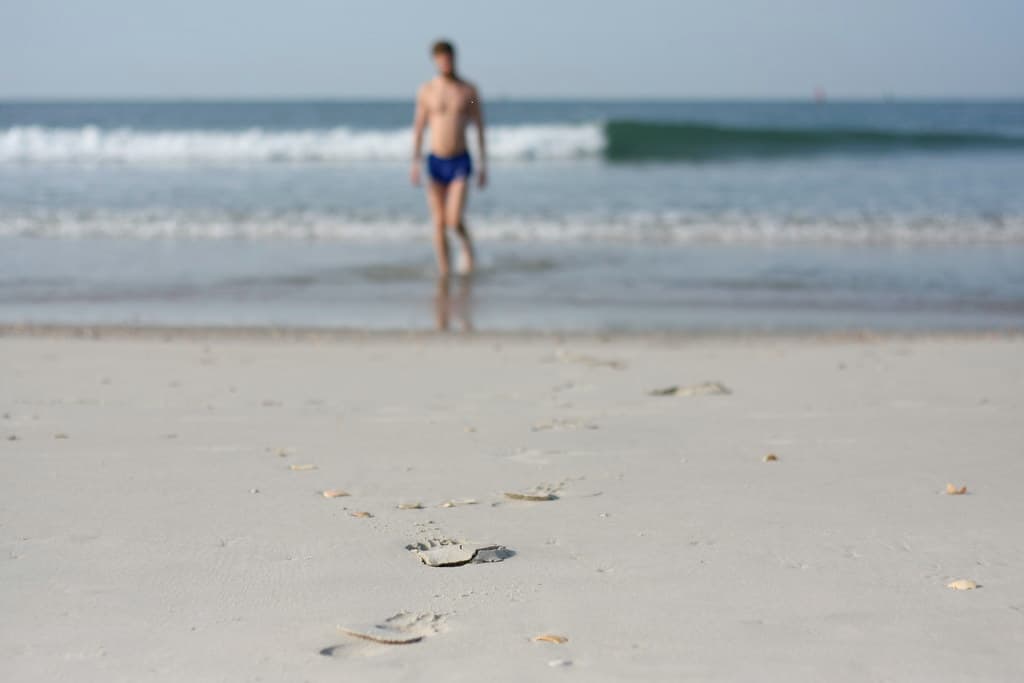
The beach unfurls in two distinct moods. West of the rock jetty, families wade into calm water sheltered by the inlet's embrace, while toddlers squat over hermit crabs skittering between tidal pools. East toward Atlantic Beach, the shore opens to steady swells that draw bodysurfers and kayakers launching through moderate breaks. The 1834 fort itself rises from maritime forest, its casements and bastions free to explore before or after your swim. Timing matters here. Arrive at sunrise and you'll share the strand with shorebirds probing the wrack line and anglers casting for pompano. By midmorning, beachcombers comb the jetty's tumbled granite for sea glass worn smooth by decades of Carolina tides. The water stays swimmable from May through October, though locals favor September when crowds thin and water temperature peaks near seventy-eight degrees. Pack water shoes—the jetty's barnacle-encrusted rocks demand respect but reward探索 with sightings of juvenile sheepshead and stone crabs. Lifeguards patrol the designated swim zone Memorial Day through Labor Day. Rinse stations and bathhouses anchor both ends of the parking area, and the fort's museum offers air-conditioned respite when August humidity presses down like a wool blanket.
Places, rentals, tours and events within walking and driving distance of Fort Macon Beach.
Photos
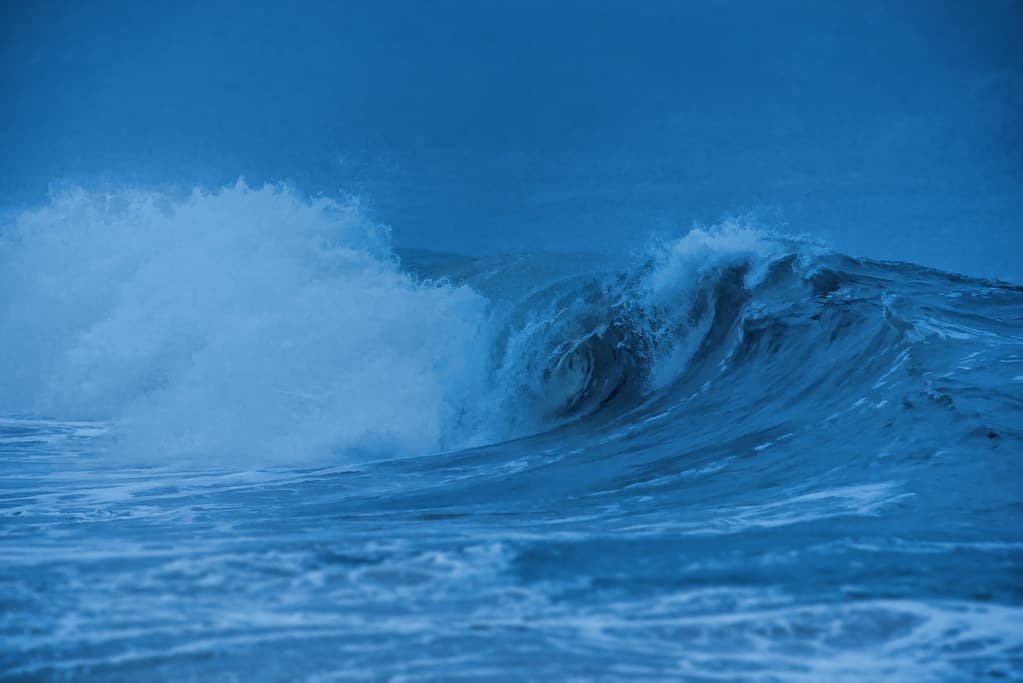
Fort Macon Beach is generally safe for swimming, but conditions vary by season and weather. The beach has no lifeguards on duty, so swim at your own risk. Watch for rip currents, especially during stormy weather or high winds. The Atlantic Ocean here can have moderate waves and undertows. Check local surf reports before entering the water. The beach is part of Fort Macon State Park, where rangers can provide current ocean conditions. Always supervise children closely and avoid swimming alone or during rough seas.
Fort Macon Beach is enjoyable year-round, with each season offering different experiences. Summer (June-August) brings warm water temperatures ideal for swimming, though it's the busiest period. Spring (April-May) and fall (September-October) offer pleasant weather, fewer crowds, and comfortable temperatures in the 70s-80s°F. Winter visits are quieter with cooler air, perfect for beachcombing and exploring the historic fort without crowds. Hurricane season runs June through November, so monitor weather forecasts during those months.
Fort Macon Beach is located at the eastern tip of Bogue Banks, near Atlantic Beach, North Carolina. From the mainland, cross the Atlantic Beach Bridge and follow NC-58 East directly to Fort Macon State Park. The park offers a large free parking lot near the beach access. Parking is typically available except during peak summer weekends when it fills early. The park is open daily from 8am (9am December-February) until sunset. There's convenient beach access from the parking area via boardwalks and paths.
Fort Macon Beach has limited on-site amenities. The park features bathhouses with restrooms and outdoor showers, but no food concessions or restaurants within the park itself. Pack snacks, drinks, and meals for beach days. Nearby Atlantic Beach, just minutes away, offers numerous restaurants, grocery stores, and accommodations ranging from motels to vacation rentals. The charming waterfront area has seafood restaurants, casual dining, and shops. For overnight stays, consider Atlantic Beach, Pine Knoll Shores, or Emerald Isle along the Crystal Coast.
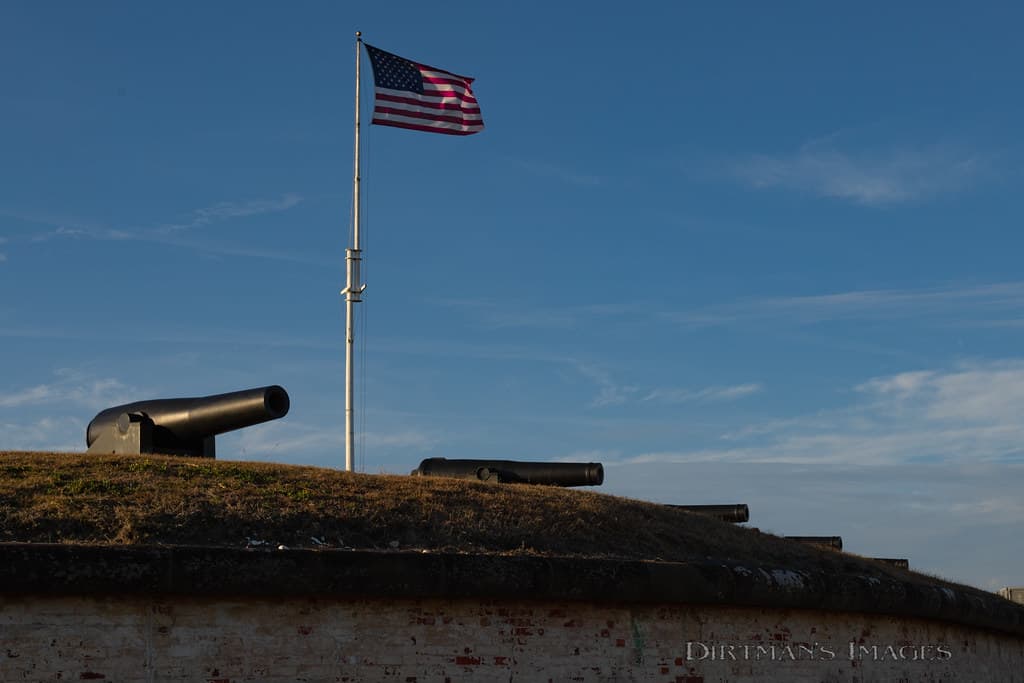
Yes, exploring the historic Civil War-era Fort Macon is a highlight of visiting this beach. The restored 1834 fort is open for free tours daily, with rangers and volunteers providing information about its history. You can walk through the fortifications, dungeons, and ramparts overlooking Beaufort Inlet. The fort museum displays artifacts and exhibits about coastal defense history. Fort tours are available year-round with varying seasonal hours. Combining beach time with fort exploration makes this destination unique among North Carolina beaches.