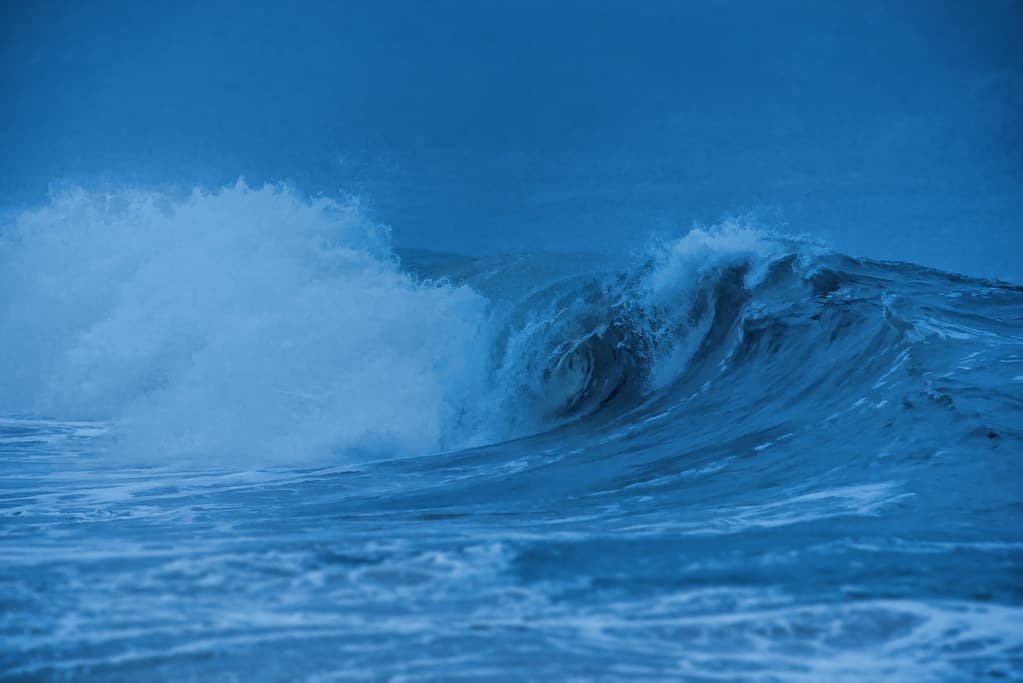
Counting the waves…
Counting the waves…

The passenger ferry from Harkers Island deposits you on a beach where development stopped centuries ago. No boardwalks, no umbrellas for rent, no beachfront condos—just nine miles of tawny sand stretching toward Cape Lookout Lighthouse. The island belongs to the National Park Service and a herd of roughly 100 feral horses whose ancestors swam ashore from Spanish shipwrecks in the 1500s. You'll watch them paw at tidal pools, nuzzle foals, and trot past beachcombers as though you're the interloper. Shelling here borders on absurd. Whelks the size of your fist, sand dollars bleached bone-white, olive shells still glossy from the surf—they pile in ridges along the wrack line. The water stays shallow for fifty yards out, warming to bathtub temperatures by June. Bring everything: there are no facilities, no shade except what you carry. Most visitors stake out a spot near the ferry drop-off, but walk twenty minutes east and you'll have the strand to yourself. Pack out what you pack in, keep at least fifty feet from the horses (federal law), and time your return ferry carefully. Miss the last boat and you're camping whether you planned to or not. The sun sets behind you, over the sound, casting the dunes in apricot light while ospreys dive for mullet just beyond the breakers.
Places, rentals, tours and events within walking and driving distance of Shackleford Banks Beach.
Photos
Swimming at Shackleford Banks is generally safe during calm conditions, but there are no lifeguards on duty. The undeveloped barrier island has strong currents and changing conditions, so exercise caution. Check weather and tide forecasts before visiting. Since it's a remote beach, bring a first aid kit and let someone know your plans. The Atlantic side typically has more wave action than the sound side. Always supervise children closely and be aware of marine life like jellyfish during summer months.
Shackleford Banks is accessible year-round, but spring through fall (April-October) offers the warmest weather for swimming and beach activities. Summer brings peak crowds and heat, while spring and fall provide milder temperatures ideal for hiking and wildlife watching. Winter visits are quieter and excellent for spotting wild horses in their thick coats, though prepare for cooler, windier conditions. Shoulder seasons typically mean fewer mosquitoes and biting flies, which can be problematic in summer, especially near vegetation.
Shackleford Banks is only accessible by passenger ferry or private boat—there's no bridge. Several ferry services operate from Harkers Island, Beaufort, and Morehead City, with varying schedules and prices. Parking is available at ferry terminals, typically free or low-cost. The most common departure point is from Harkers Island. Ferry rides take 15-45 minutes depending on departure location. Book ferry tickets in advance during peak season, and confirm return trip times to avoid being stranded on the island.
Shackleford Banks is completely undeveloped with no facilities whatsoever—no restrooms, showers, food vendors, or lodging. It's a primitive barrier island experience. Bring all food, water, and supplies you'll need for the day, including sun protection and bug spray. Pack out all trash. For accommodations and dining, stay in nearby Beaufort, Morehead City, or Harkers Island, which offer hotels, vacation rentals, and restaurants. Plan bathroom breaks before boarding the ferry or bring portable solutions for emergencies.
Yes, Shackleford Banks is famous for its herd of wild horses, descendants of Spanish mustangs that have roamed the island for centuries. Around 100-130 horses live freely on the island year-round. While sightings are common, they're not guaranteed as horses roam the entire 9-mile island. Never approach, feed, or touch the horses—federal law requires staying at least 50 feet away. Early morning or late afternoon visits often provide better viewing opportunities. Bring binoculars for safe, close-up observation.