Counting the waves…
Counting the waves…

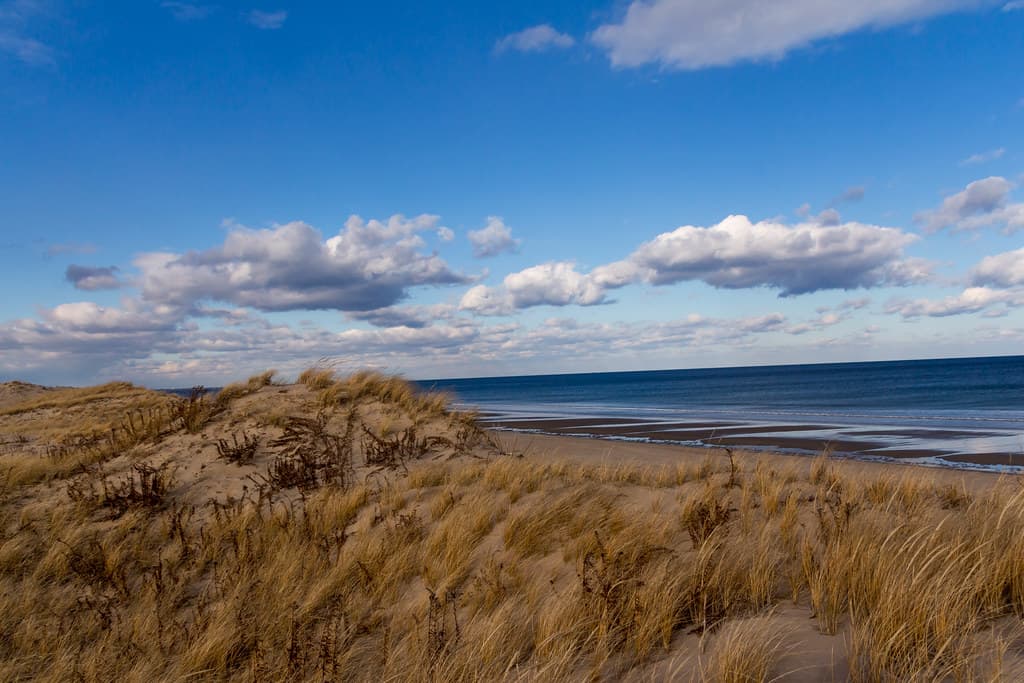
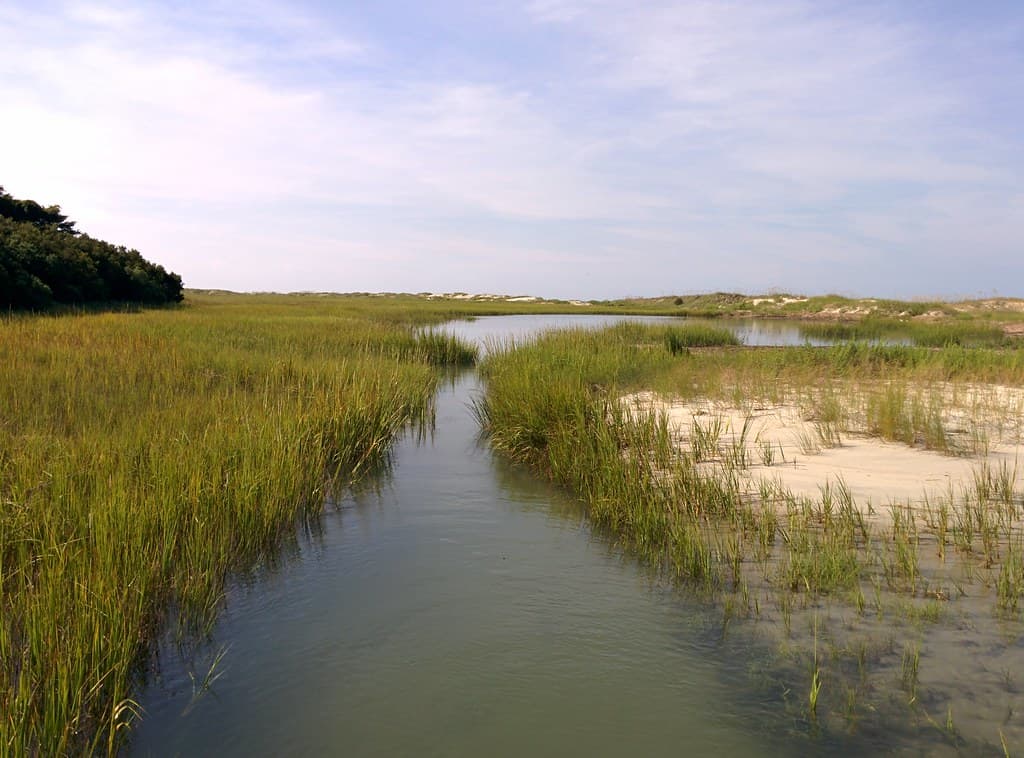
The beach ends abruptly at Shallotte Inlet, where Shallotte River empties into the sea through a channel that rewrites itself with every storm. You'll see the current racing past—strong enough to notice, strong enough to carry flounder and redfish within casting distance of shore. The sand here is coarser than the groomed stretches east, littered with whelk shells and the occasional horseshoe crab, and the shore bends sharply where tidal flow meets wave action. Anglers stake out spots along the inlet's edge at first light, chest waders darkening as they step into the outflow. You'll watch them read the water—scanning for baitfish dimples, waiting for that telltale swirl—then fire casts toward the jetty rocks on the opposite bank. The rhythm of this place follows the tide chart, not the beach umbrella crowd. By midmorning, when the current slackens, families arrive to collect shells or wade the shallows where sandbars emerge like temporary islands. The walk from public parking takes ten minutes down unmarked sand paths between beach houses. You won't find lifeguard stands or snack bars here. What you will find: pelicans diving in formation, the distant silhouette of Holden Beach across the inlet, and the kind of wide-open beach morning where the only footprints ahead of you belong to shorebirds working the wrack line.
Places, rentals, tours and events within walking and driving distance of Shallotte Inlet Beach.
Photos
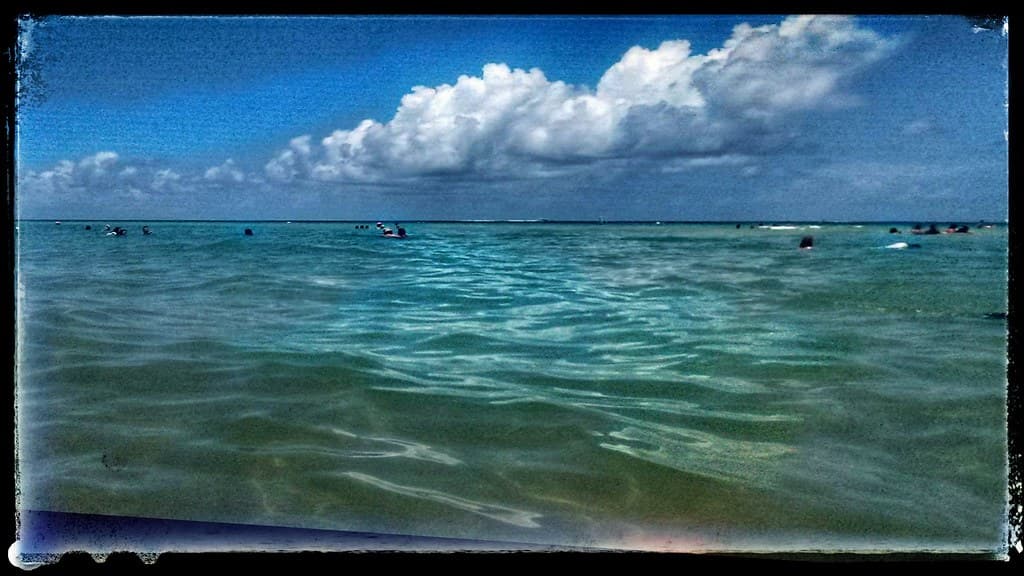
Swimming at Shallotte Inlet Beach requires caution due to strong tidal currents and changing water conditions typical of inlet areas. The currents can be particularly powerful during tidal changes, making it more suitable for experienced swimmers. There are no lifeguards on duty. Many visitors prefer wading in shallow areas or focusing on fishing and beachcombing instead. Always check tide schedules before entering the water, supervise children closely, and avoid swimming near the inlet channel where currents are strongest. Local conditions can change quickly with weather and tide patterns.
Shallotte Inlet Beach is accessible year-round, with each season offering different advantages. Summer (June-August) provides warm water and weather but brings crowds. Spring and fall offer pleasant temperatures, fewer visitors, and excellent fishing conditions, particularly during fall migrations. Winter attracts anglers and solitude-seekers with mild North Carolina coastal temperatures. For fishing, spring and fall are prime times. For beach activities and comfortable swimming, May through September is ideal. Weather is generally subtropical, with hurricane season running June through November requiring weather monitoring.
Shallotte Inlet Beach is located at the western end of Ocean Isle Beach. Access is via East First Street, which dead-ends near the inlet. Limited free parking is available at the street end, typically accommodating around 15-20 vehicles. Arrive early during peak season as spaces fill quickly. The beach is approximately 30 miles south of Wilmington via NC-904 and NC-179. Alternatively, you can walk along the beach from other Ocean Isle Beach access points. Four-wheel drive vehicles are not permitted on this section of beach.
Ocean Isle Beach offers various dining and lodging options within a short drive from Shallotte Inlet Beach. The main commercial area along Causeway Drive features seafood restaurants, casual eateries, and grocery stores about 1-2 miles from the inlet. Accommodation options include vacation rental homes, condos, and cottages throughout Ocean Isle Beach, many within walking or short driving distance. For more extensive dining and shopping, the town of Shallotte is approximately 5 miles inland. The inlet area itself has no facilities, so bring your own food, water, and supplies.
Shallotte Inlet is renowned for diverse fishing opportunities from the beach and nearby areas. Common catches include red drum (spot-tail bass), flounder, Spanish mackerel, bluefish, and spotted seatrout. The inlet's structure attracts species during tidal movements. Fall brings migrating species, while summer offers action with Spanish mackerel and blues. Surf fishing along the inlet shores can yield pompano and whiting. Live or cut bait works well, as do artificial lures for predatory species. Check North Carolina fishing regulations for size limits, seasons, and licensing requirements before fishing.