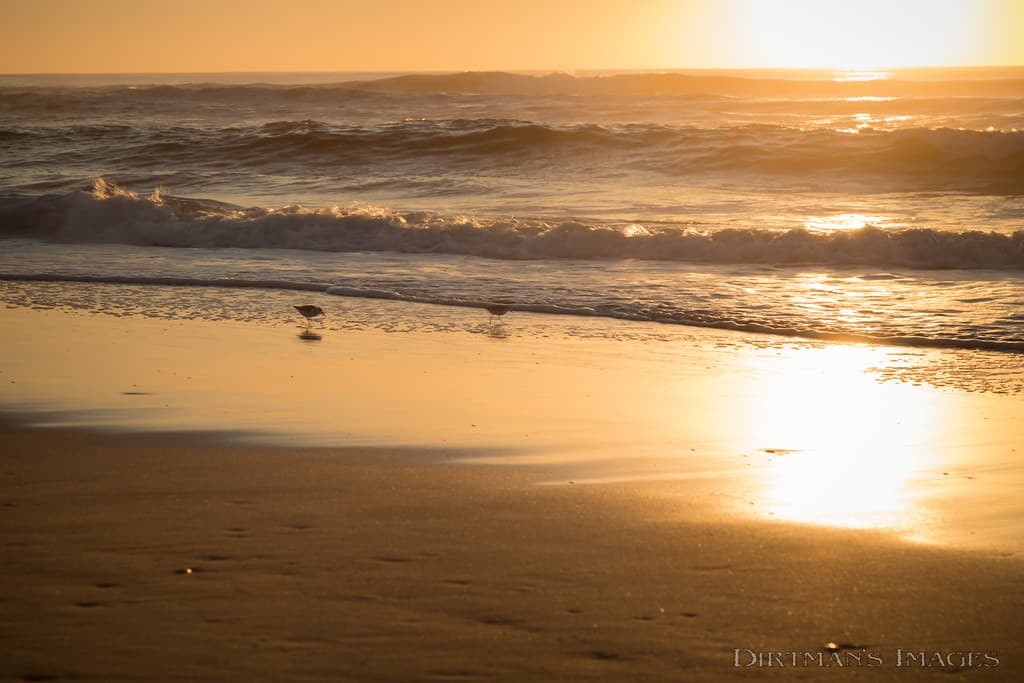
Counting the waves…
Counting the waves…

British Cemetery Beach unfolds along a shallow crescent of Pamlico Sound, where the water runs warmer and calmer than the Atlantic beaches that draw most visitors to Ocracoke. The sand here is coarser, studded with whelk shells and chunks of driftwood smoothed gray by the tide. You'll wade into bathwater-warm shallows that extend fifty yards before reaching your waist, the bottom soft under your feet, eelgrass tickling your ankles. The cemetery itself occupies a small fenced plot behind the beach: four white headstones marking British sailors killed when a German U-boat torpedoed the HMS Bedfordshire in 1942. The Coast Guard tends the graves, and the Union Jack flies beside the Stars and Stripes. Most afternoons you'll have the beach to yourself, save for a few anglers casting into the sound and the occasional kayaker gliding past the shallows. Come at dusk when the sun drops behind the village and the water turns copper, then pewter, then indigo. The wind dies with the light. Herons stalk the marsh edge. This isn't a beach for bodysurfing or volleyball—it's a place to sit on the sand, listen to the water whisper against the shore, and watch the mainland fade into evening haze across the sound.
Places, rentals, tours and events within walking and driving distance of British Cemetery Beach.
Photos
British Cemetery Beach is generally safe for swimming during calm conditions, but it lacks lifeguards and amenities. The beach faces Pamlico Sound rather than the ocean, so waters are typically calmer with gentler waves. However, currents can still be present, and conditions vary with weather and tides. Always check local conditions before entering the water. The remote, undeveloped nature means no emergency services are immediately available. Swim at your own risk and consider visiting more developed Ocracoke beaches if you prefer supervised swimming areas.
British Cemetery Beach is accessible year-round, with each season offering different experiences. Summer (June-August) brings warmest water temperatures and longer days, though occasional crowds. Spring and fall provide pleasant weather with fewer visitors, ideal for peaceful walks and photography. Winter offers solitude but can be windy and cold. The soundside location means spectacular sunsets year-round. Avoid visiting during hurricane season storms (June-November). For the best combination of weather and tranquility, consider visiting in May, September, or October when temperatures are mild.
British Cemetery Beach is located on the soundside of Ocracoke Island, accessible only by ferry, private boat, or small plane. Once on Ocracoke, drive north on NC Highway 12 approximately 4 miles from the village. Look for the British Cemetery marker; the beach access is nearby with limited roadside parking along the highway. There are no designated parking lots or facilities. The beach requires a short walk from the road. Remember that reaching Ocracoke itself requires planning around ferry schedules from Hatteras, Cedar Island, or Swan Quarter.
British Cemetery Beach has no on-site amenities—no restrooms, showers, food services, or facilities. It's a remote, undeveloped stretch of shoreline. The nearest restaurants, shops, and public restrooms are in Ocracoke Village, approximately 4 miles south. The village offers various lodging options including hotels, inns, and vacation rentals. Plan ahead by bringing your own food, water, and supplies. Use facilities in the village before heading to the beach. This undeveloped nature is part of the beach's appeal for those seeking a quiet, natural experience.
The beach takes its name from the nearby British Cemetery, which contains graves of four British sailors from the HMS Bedfordshire. This armed trawler was torpedoed by a German U-boat off Ocracoke in May 1942 during World War II, killing all aboard. The cemetery is maintained by the U.S. Coast Guard, and the British flag flies there permanently. Visitors can pay respects at this small, poignant memorial before exploring the adjacent beach. The site serves as a reminder of Ocracoke's role in the Battle of the Atlantic.