Counting the waves…
Counting the waves…

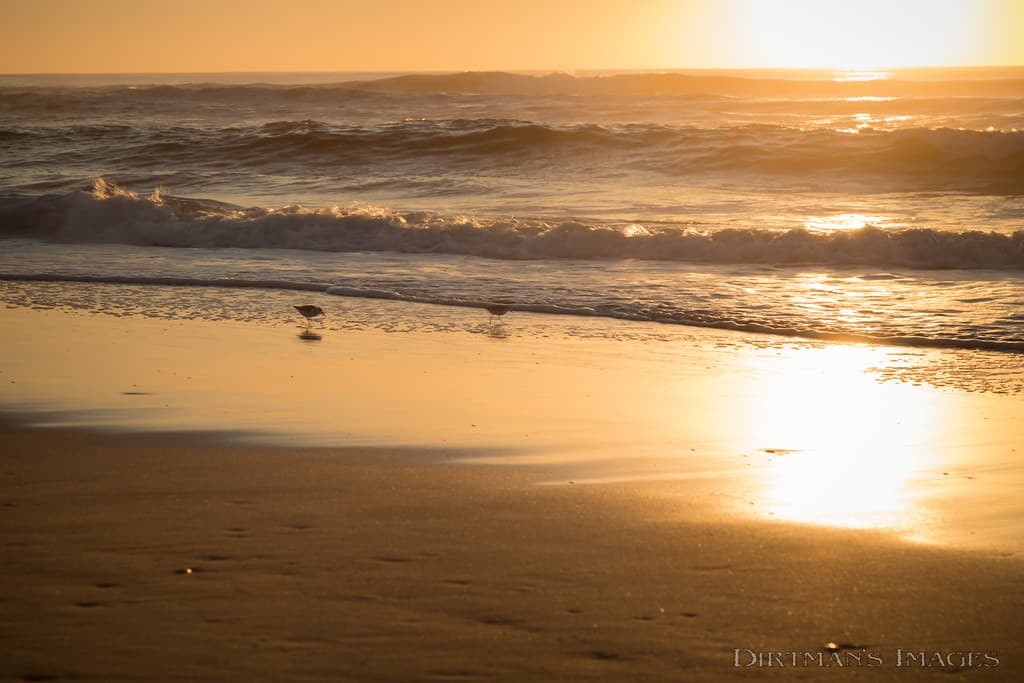
The Atlantic here tastes different—salter, colder, less tamed than the resort beaches to the north. You'll plant your towel on sand the color of raw linen, fine enough to squeak underfoot, and watch your children dig moats while lifeguards scan from wooden towers painted the faded red of old barns. The water runs clear green in the shallows, then deepens to slate where the sandbars drop away. This beach has earned its reputation not through amenities but through absence: no high-rises shadow the dunes, no boardwalk hucksters peddle airbrushed shirts. What you get instead is space—miles of it—and the particular quiet that comes when wind and waves drown out human chatter. Families return year after year to the same rented cottages in the village, their children growing taller against the same unchanging horizon. The lifeguard stations cluster near the National Park Service access ramps, where wooden walkways cross the dunes and bathhouses offer cold outdoor showers that smell of rust and brine. Come midweek in June or September and you'll share the sand with more shorebirds than people. The gulf stream's proximity keeps the water swimmable into October, and the sandbars shift with every nor'easter, creating new breaks and channels that locals read like weather vanes.
Places, rentals, tours and events within walking and driving distance of Ocracoke Lifeguarded Beach.
Photos
Yes, Ocracoke Lifeguarded Beach is excellent for families. Lifeguards are on duty during summer months (typically Memorial Day through Labor Day), and the beach features gentle waves ideal for children. The wide, sandy shoreline provides ample space for building sandcastles and playing. However, always swim near the lifeguard stands and check daily conditions, as currents can vary. The beach has relatively shallow waters close to shore, making it safer than many Atlantic beaches. Parents should still supervise children closely and be aware of rip current warnings posted at beach accesses.
Summer (June-August) offers warm water temperatures (75-80°F) and full amenities with lifeguards on duty, but expect larger crowds. Late spring (May) and early fall (September-October) provide pleasant weather, fewer visitors, and comfortable ocean temperatures. Winter months are quieter with cooler conditions but still enjoyable for beachcombing and walks. Hurricane season runs June through November, with peak risk in August-September. For the best family beach experience with lifeguards present, visit between Memorial Day and Labor Day. Water temperature remains swimmable through early October for most visitors.
Ocracoke is accessible only by ferry, private boat, or plane—no bridges connect to the island. Free ferries run from Hatteras (1-hour crossing, frequent departures) and toll ferries from Swan Quarter and Cedar Island (2.5 hours, reservations recommended). Once on the island, Ocracoke Lifeguarded Beach is located on the ocean side near the village. Free public parking is available at the beach access areas. The island is small, so biking is popular and rentals are available in the village. During peak summer season, arrive early for best parking spots.
Ocracoke village, within walking or biking distance of the beach, offers diverse dining from casual seafood shacks to sit-down restaurants serving fresh local catch. Popular options include Howard's Pub and eateries along Highway 12. Accommodations range from historic bed-and-breakfasts and small inns to vacation rental homes and the village's few motels. The National Park Service operates a campground for those seeking a budget option. Beach amenities include restrooms and outdoor showers at access points. No large chain hotels exist on the island, preserving its authentic coastal character. Book accommodations well ahead for summer visits.
Ocracoke Beach has repeatedly earned top rankings, including Dr. Beach's #1 spot, due to its pristine, undeveloped shoreline within Cape Hatteras National Seashore. The island's remote location via ferry keeps crowds manageable and development minimal. Miles of unspoiled coastline feature soft, white sand and clean waters without high-rises or commercialization. The beach maintains a natural, peaceful atmosphere rare on the East Coast. Its isolation preserves the historic village's charm while protecting nesting sea turtles and shorebirds. The combination of accessibility, natural beauty, and protected status makes it exceptionally special among American beaches.