Counting the waves…
Counting the waves…

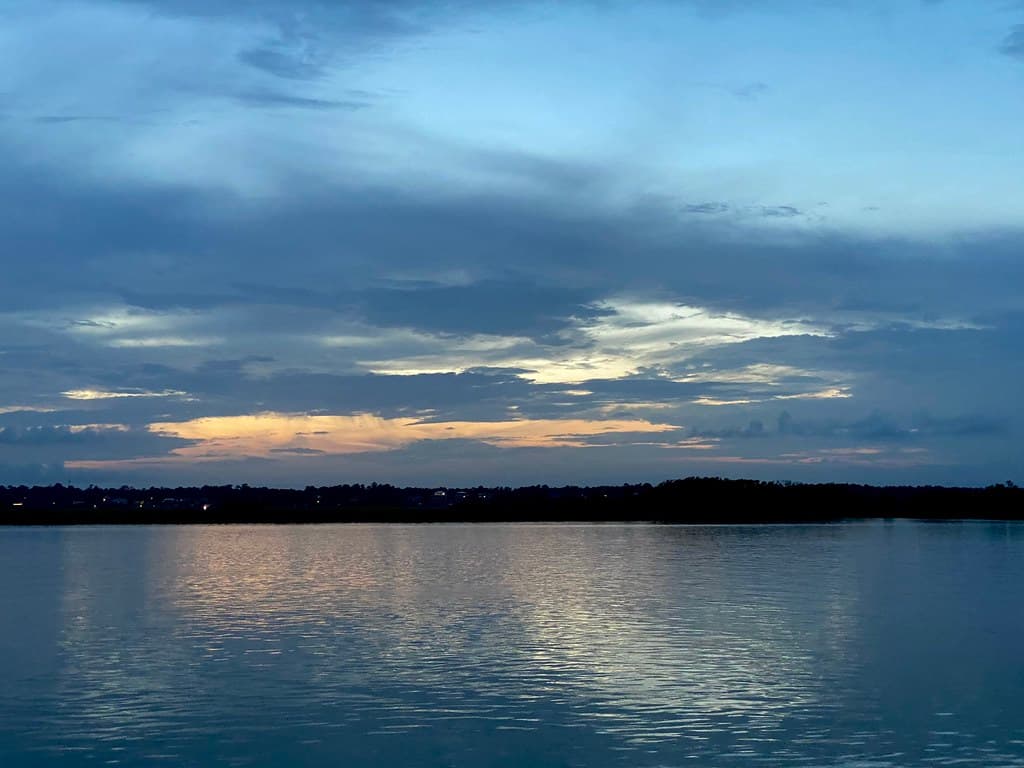
Springers Point sits at the northern tip of Ocracoke Island, where Pamlico Sound laps against a shore so different from the Atlantic beaches twelve minutes away that you might forget you're on a barrier island at all. This is where Edward Teach—Blackbeard the pirate—allegedly spent his final hours before sailing to his death in 1718, and the tangled live oaks and red cedars crowding the 31-acre preserve feel appropriately timeless and untamed. The beach itself is narrow, more of a marshy strand than a swimming destination, edged by cordgrass and dotted with bleached driftwood. You'll walk a quarter-mile trail through the forest to reach the water, passing interpretive signs about the island's layered history—Algonquin settlements, colonial lookouts, pirate hideaways. The Sound stays shallow for yards, warm and brackish, better suited to wading and watching fiddler crabs than bodysurfing. Ospreys nest in the skeletal pines overhead; in autumn, monarch butterflies rest here during their southward migration. Bring insect repellent—the mosquitoes treat this humidity as an invitation—and plan your visit for late afternoon when the light turns the water to hammered copper. There are no facilities, no parking lot, just a small pull-off near the trailhead. Most visitors to Ocracoke never make it here, which is precisely the point.

Places, rentals, tours and events within walking and driving distance of Springers Point Beach.
Photos
Springers Point is primarily a nature preserve and scenic area rather than a traditional swimming beach. The waters can have strong currents and are less protected than other Ocracoke beaches. Most visitors come for hiking the nature trail, birdwatching, and exploring the maritime forest rather than swimming. If you want safer swimming conditions on Ocracoke, head to the lifeguarded sections of the National Seashore beach along NC Highway 12, which offers calmer waters and supervision during summer months.
Springers Point is beautiful year-round, with each season offering something different. Spring and fall provide ideal temperatures for hiking the trails and excellent birdwatching during migration seasons. Summer brings lush vegetation but also heat and mosquitoes, so bring insect repellent. Winter offers solitude and crisp walks, though winds can be strong. Early morning visits any time of year provide the best light for photography and wildlife viewing. The preserve is accessible 24/7, making sunrise and sunset particularly magical times to explore.
Springers Point is located at the southwestern end of Ocracoke Island, accessible only by ferry. From Ocracoke Village, head south on NC Highway 12, turn onto British Cemetery Road, then follow it to the small parking area at the trailhead. Parking is limited to about 5-6 vehicles. The preserve is a short walk from the lot through maritime forest. Since Ocracoke has no bridge access, you'll need to take a ferry from Hatteras, Cedar Island, or Swan Quarter to reach the island first.
Springers Point has no amenities—no restrooms, water, or facilities—so come prepared. It's about a mile from Ocracoke Village, where you'll find restaurants, cafes, grocery stores, and shops. The village offers diverse dining from casual seafood spots to sit-down restaurants. For lodging, Ocracoke Village has hotels, inns, bed-and-breakfasts, and vacation rentals within a short drive. Plan to eat and use facilities in the village before visiting, and bring water and snacks for your walk through the preserve.
Springers Point Preserve protects 31 acres of undeveloped maritime forest and shoreline at Ocracoke's southern tip. The half-mile trail winds through twisted live oaks and red cedars to Teach's Hole, where pirate Blackbeard was allegedly killed in 1718. It's exceptional for birdwatching, especially during spring and fall migrations. You'll find tidal creeks, coastal plants, and peaceful Sound-side views. The preserve offers a quiet, contemplative alternative to ocean beaches—bring binoculars and a camera to fully appreciate this hidden natural and historical gem.