Counting the waves…
Counting the waves…

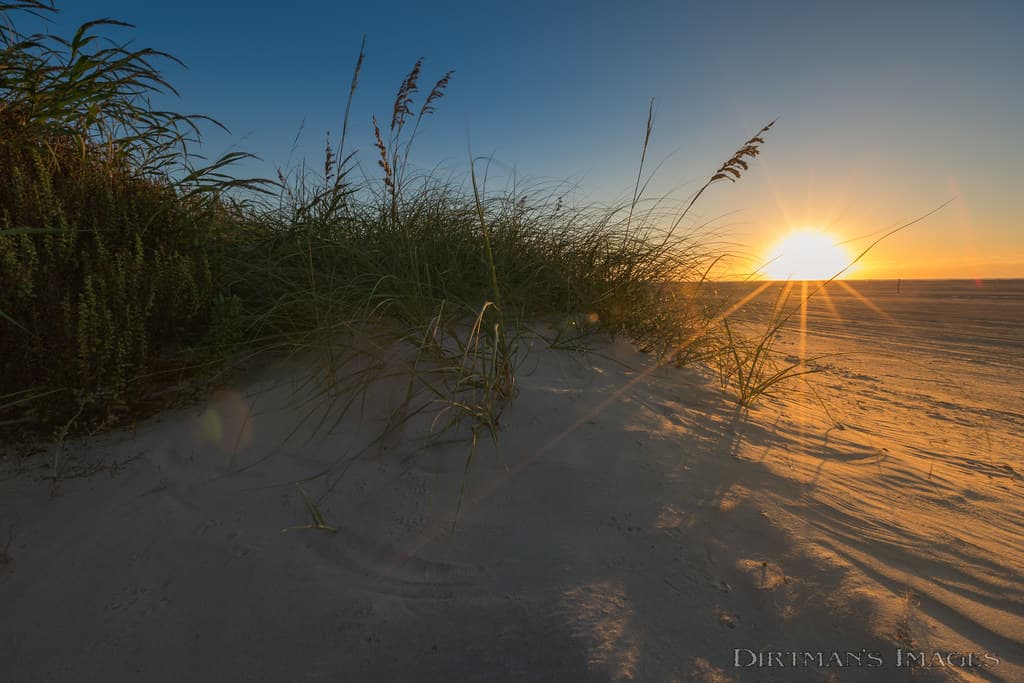
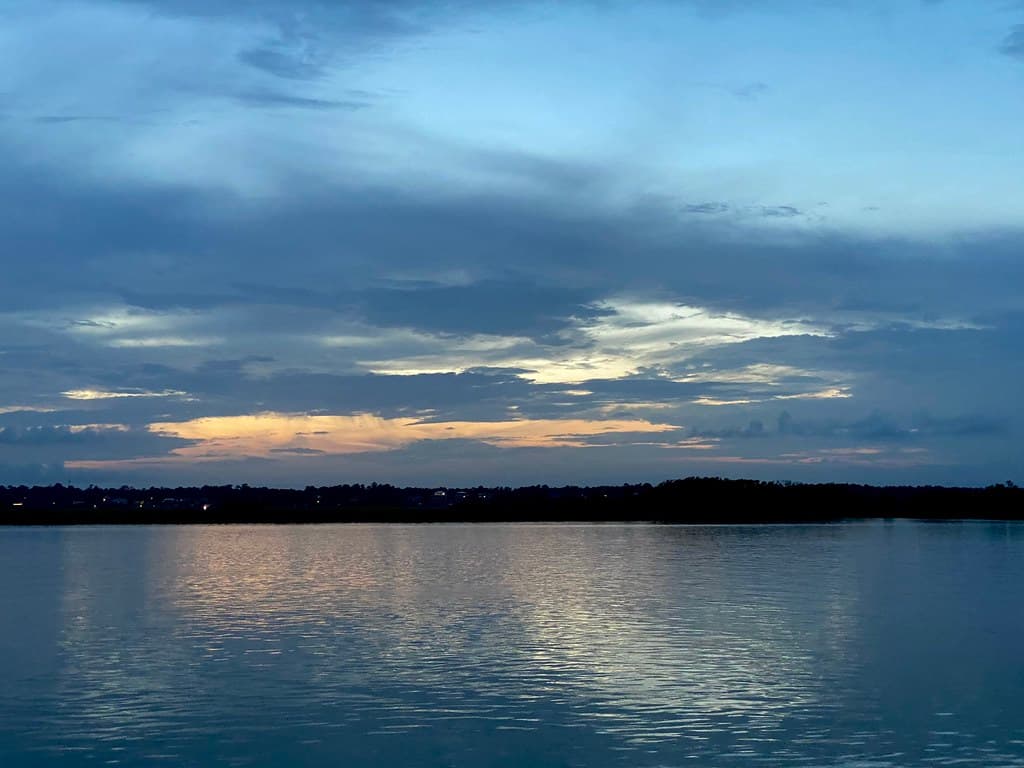
The Ocracoke ponies arrived here centuries before vacation homes dotted the Outer Banks, survivors of shipwrecks who adapted to salt marsh grass and barrier island storms. Their compact, sturdy descendants still graze behind split-rail fencing near the beach that bears their name, manes tangled with sea wind. You'll spot them from the shore, dark silhouettes against cordgrass, their presence a reminder that this sixteen-mile island remains largely untamed. Pony Pen Beach stretches along the sound side rather than the Atlantic, which means you trade crashing surf for bathwater-warm shallows and sandbars that emerge at low tide. Children wade knee-deep fifty yards out, collecting periwinkle shells and hermit crabs in plastic buckets. The water stays clear enough to watch minnows dart between your ankles. Sea oats bow and straighten in the breeze that never quite stops, even in August. Reaching Ocracoke requires commitment—a two-hour-forty-minute ferry from Cedar Island or Swan Quarter, or a shorter hop from Hatteras. That maritime moat keeps crowds thin. You'll pack everything in a cooler because no boardwalk vendors operate here, just you, the ponies visible in their paddock up the road, and the kind of uninterrupted afternoon where the only schedule is the outgoing tide.
Places, rentals, tours and events within walking and driving distance of Pony Pen Beach.
Photos
Pony Pen Beach offers generally calm waters suitable for families, though ocean conditions vary daily. The beach lacks lifeguards, so supervise children closely. Check local forecasts before swimming, as currents can strengthen during storms or high winds. The gentle slope and typically mild surf make it popular with families. Water quality is usually excellent, but jellyfish occasionally appear in summer months. Always watch for changing tides and weather. The beach's protected location on Ocracoke's soundside provides calmer conditions than ocean-facing beaches, making it ideal for young swimmers and waders.
Pony Pen Beach welcomes visitors year-round, with each season offering distinct experiences. Summer (June-August) brings warm water and full amenities but larger crowds. Spring and fall provide comfortable temperatures, fewer visitors, and excellent conditions for beachcombing and wildlife watching. Winter offers solitude and dramatic scenery, though water is too cold for swimming. May through September typically has the warmest weather for swimming. Avoid hurricane season peaks (August-October) when storms can disrupt plans. Shoulder seasons offer the best balance of pleasant weather and peaceful beach experiences for families seeking relaxation.
Pony Pen Beach is located on Ocracoke Island, accessible only by ferry or private boat. Take the free Hatteras-Ocracoke ferry (reservation recommended) or paid ferries from mainland North Carolina. Once on Ocracoke, the beach is on NC Highway 12's soundside. Free parking is available in designated areas near the beach access. Since Ocracoke has no bridges, plan ferry schedules carefully—waits can be long during peak season. The island is bike-friendly, and many visitors cycle to the beach. Golf carts are also popular for getting around the small village.
Ocracoke Village, within minutes of Pony Pen Beach, offers diverse dining from casual seafood shacks to sit-down restaurants featuring fresh local catches. Popular options include Howard's Pub and various waterfront eateries. Lodging ranges from charming bed-and-breakfasts to vacation rentals and small inns; camping is available at the National Park Service campground. The village has a grocery store for picnic supplies. No chain hotels exist on the island, preserving its authentic character. Book accommodations well ahead during summer, as options are limited. Most restaurants and some lodgings close or reduce hours off-season.
The beach's name references Ocracoke's famous wild ponies, but they no longer roam freely here. The Ocracoke Pony Pen, managed by the National Park Service, houses the remaining herd in a protected enclosure off NC Highway 12, easily accessible from the beach area. Visitors can view these historic Banker ponies from an observation platform year-round at no charge. The herd descends from Spanish mustangs shipwrecked centuries ago. While you won't encounter ponies on the beach itself, the nearby pen offers excellent photo opportunities and interpretive information about their unique heritage and conservation.