Counting the waves…
Counting the waves…

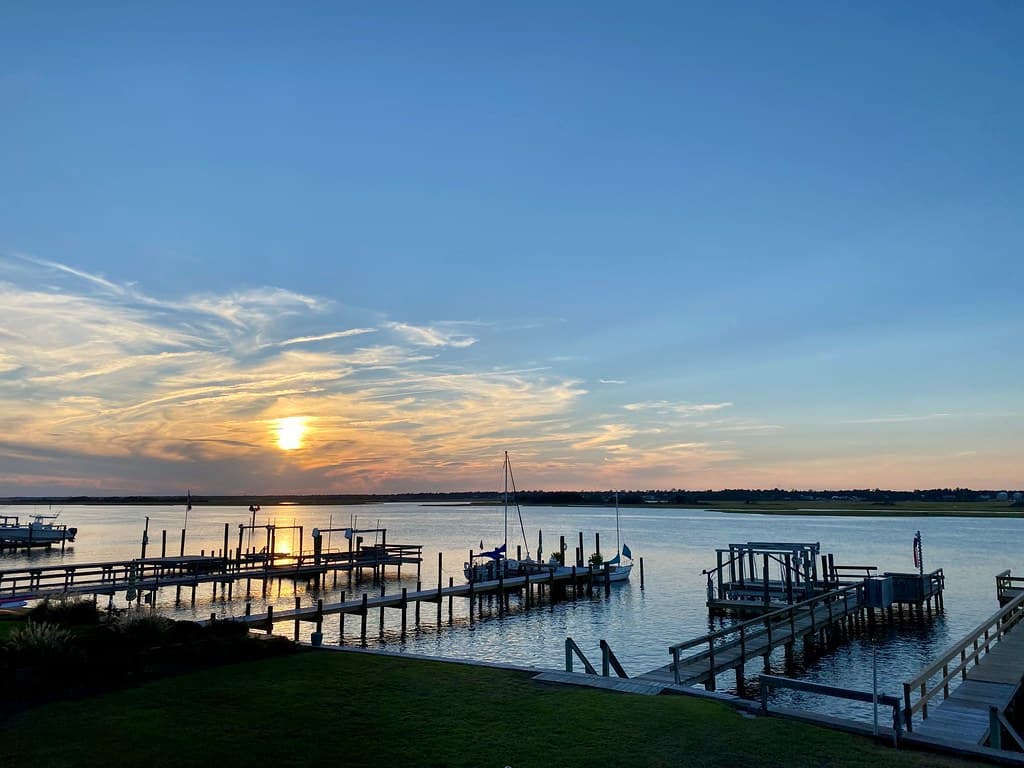
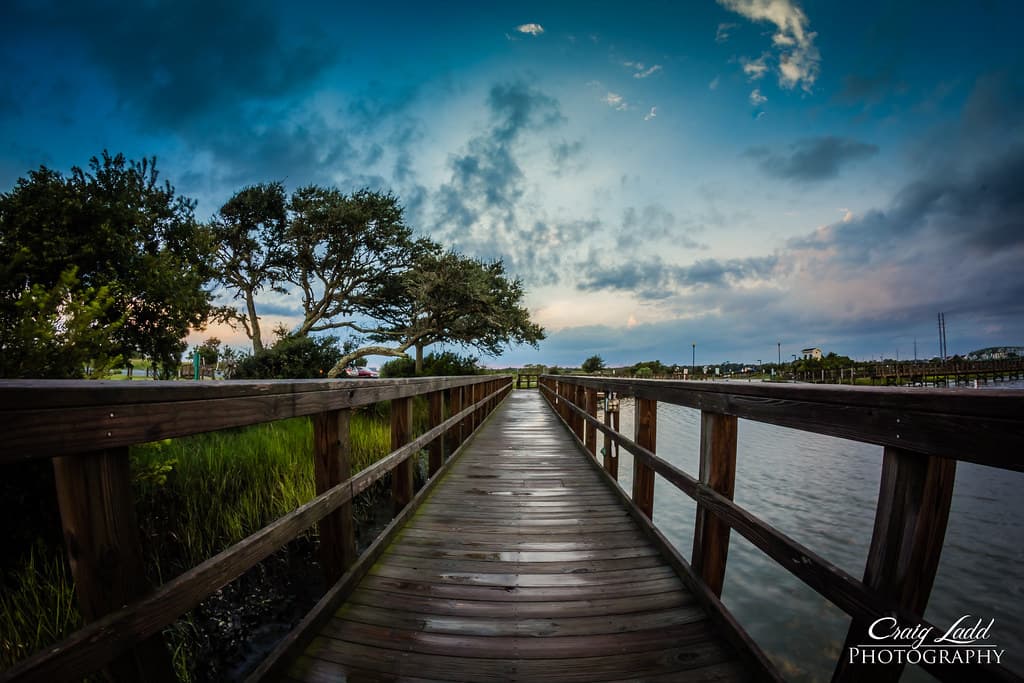
You arrive on Topsail Island via the high-rise bridge, and the road funnels you south past single-story beach boxes and hand-painted surf rental shacks until the pavement ends at the southern tip. Here, South Topsail Beach unfolds as a ribbon of tan sand, compact enough that the tide erases your footprints twice daily, wide enough that toddlers can chase sandpipers without fear. The water stays shallow for twenty yards, warming to bathtub temperatures by June, making this a magnet for families who stake umbrellas and let the youngest wade without worry. The piers—wooden sentinels jutting into Onslow Bay—serve as the town's real living rooms. Anglers lean against weather-beaten posts at dawn, hauling in spot and flounder, while you can rent a rod for the day and join them or simply walk to the end and watch the shrimp boats motor past. May through October, the Karen Beasley Sea Turtle Rescue & Rehabilitation Center opens its doors, where you can peer into tanks holding injured loggerheads recovering from boat strikes and fishing line entanglements. The island's narrow profile means you're never far from both sunrise and sunset views. Morning light gilds the eastern surf; evenings paint the sound-side marshes in apricot and plum. Between those bookends, the rhythm here runs slow—no boardwalk arcades, no high-rise shadows, just the steady pulse of waves and the squawk of terns defending their nesting scrapes in the dunes.
Places, rentals, tours and events within walking and driving distance of South Topsail Beach.
Photos
South Topsail Beach is generally family-friendly with calm waters, though conditions vary daily. The beach has no lifeguards on duty, so supervise children closely at all times. Check local surf reports before swimming, as rip currents can occur, especially during storms or high winds. The gentle slope and typically mild waves make it suitable for young swimmers in normal conditions. Always swim near other people, avoid swimming alone, and watch for warning flags posted at beach access points indicating hazardous conditions.
Late spring through early fall (May-September) offers the warmest weather with water temperatures reaching 75-80°F, ideal for swimming. Summer brings crowds and higher accommodation rates. Shoulder seasons (April-May, September-October) provide pleasant weather, fewer visitors, and better lodging deals. Winter months are quieter with cooler temperatures (50-60°F) perfect for beachcombing and fishing, though swimming isn't recommended. Hurricane season runs June through November, with peak activity August-October. The beach is accessible year-round for various activities.
South Topsail Beach is accessible via NC Highway 50 south from Surf City, crossing the high-rise bridge onto Topsail Island. Free public parking is available at numerous beach access points along New River Inlet Road and Anderson Boulevard, marked with signs. Street parking is also permitted in most areas. Access points typically have small parking lots accommodating 10-20 vehicles; arrive early during summer weekends as spots fill quickly. Most vacation rentals include dedicated parking. No parking fees or permits required for public beach access.
South Topsail Beach is primarily residential with limited commercial development. Most dining options are in nearby Surf City (5-10 minutes north), offering seafood restaurants, cafes, and casual eateries. The area features predominantly vacation rental homes rather than hotels; book through local property management companies. A few small grocery stores and shops operate on the island for essentials. For extensive shopping, dining, and entertainment, Jacksonville is 20 minutes away. Many visitors appreciate the quiet, uncrowded atmosphere compared to more developed beaches.
South Topsail Beach is part of an important sea turtle nesting habitat, primarily for loggerhead turtles. Nesting season runs May through August, with hatchlings emerging July through October. The Karen Beasley Sea Turtle Rescue and Rehabilitation Center in nearby Surf City conducts beach patrols and protects nests, which are marked with stakes and tape. Never disturb marked nests or approach nesting turtles. Minimize beachfront lighting during season, as it disorients hatchlings. The rescue center offers educational tours where you can learn about conservation efforts.