
The boat cuts its engine a hundred yards offshore, and you wade through the shallows carrying your cooler overhead. This is how every visit to Masonboro begins: with wet feet and the understanding that you've left pavement behind. The eight-mile strand belongs to loggerhead turtles and laughing gulls, protected as a state reserve since 1976, which means no cars, no buildings, no concession stands hawking towels you forgot.
“It's the largest undeveloped barrier island along the southern North Carolina coast, reachable only by private boat or water taxi.”
 Credit: Flickr
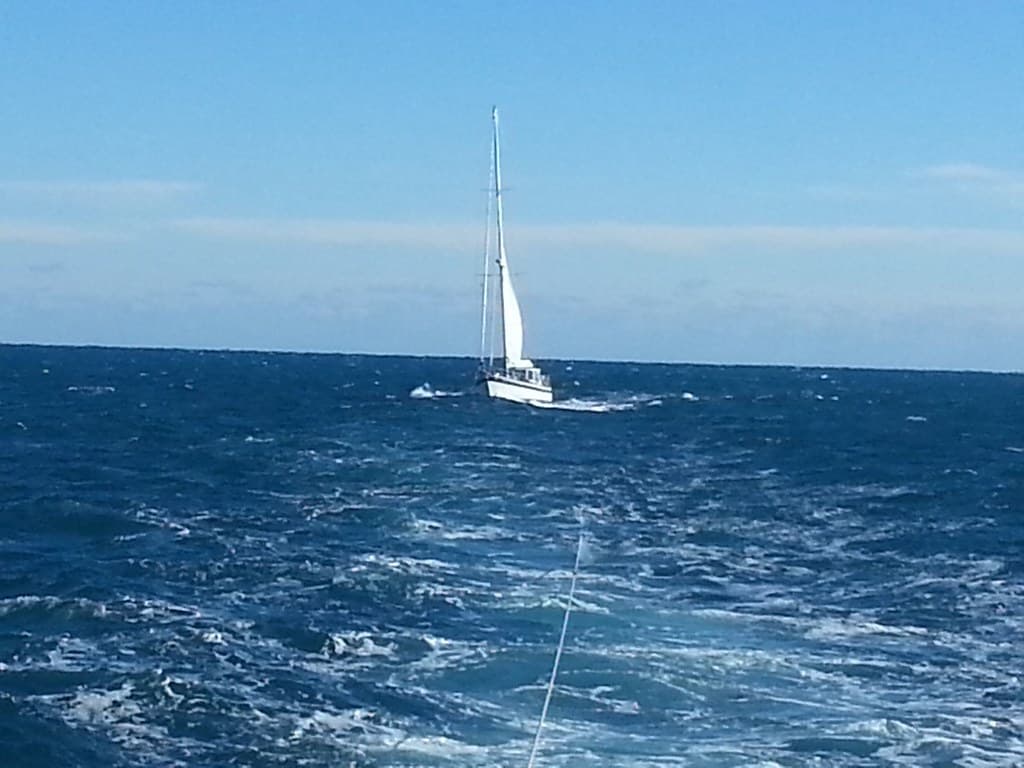
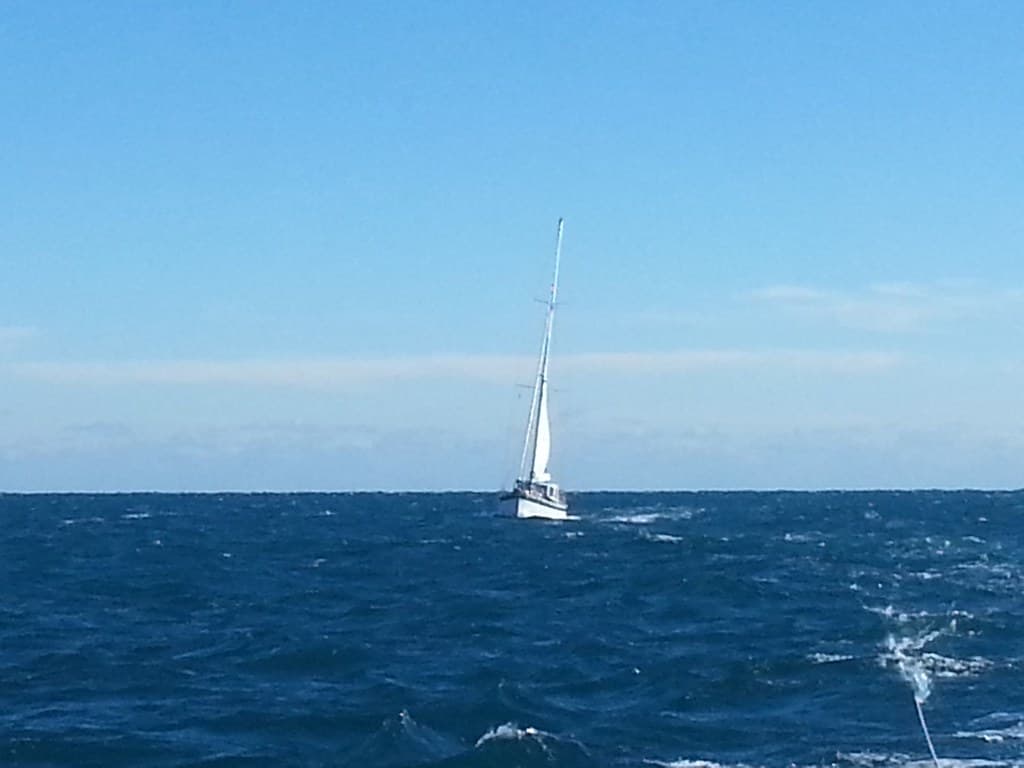
Coast Guard completes 10-hour tow of sailboat off NC
You walk south along the hard-packed sand at low tide, passing driftwood sculptures the color of bone and coquina shells that snap shut when waves pull back. The ocean side faces open Atlantic; the sound side dissolves into tidal creeks threading through cordgrass where egrets stalk minnows. In summer, the sand radiates heat. In winter, you might share the beach with a single surf fisher and a pod of dolphins working a school just beyond the breakers.
Bring everything—water, shade, trash bags—because Masonboro gives you solitude in exchange for self-sufficiency. The island shrinks and shifts with each hurricane, a shape-shifter that refuses to be tamed. By late afternoon, the water taxis start their return runs, and you'll leave the same way you came: sandy, sun-drunk, and already planning the next crossing.


