Counting the waves…
Counting the waves…

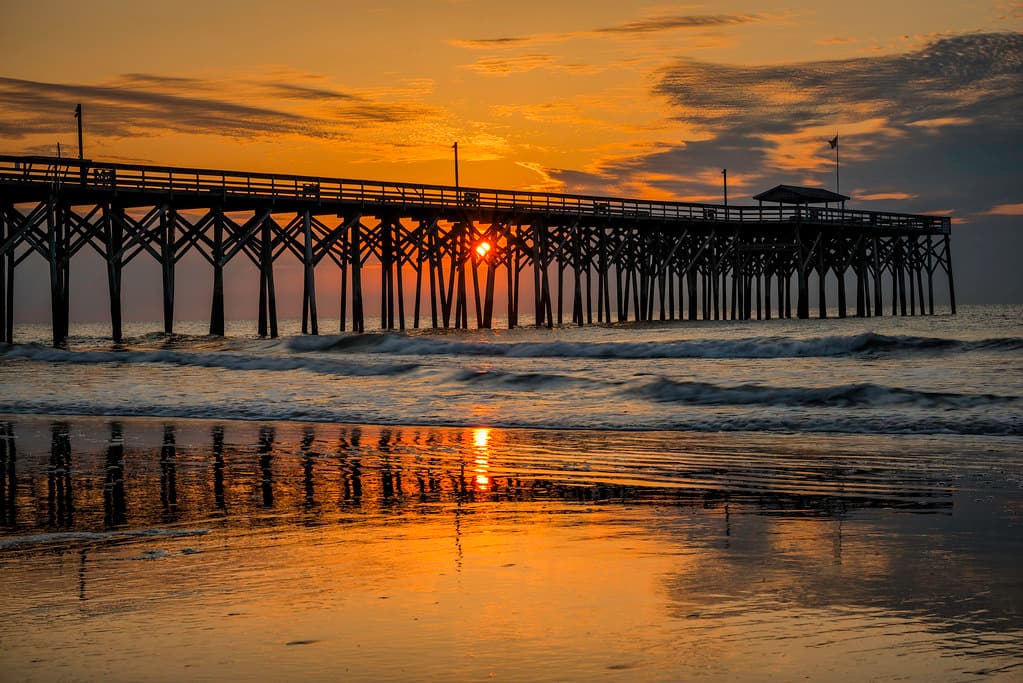
The boat cuts its engine a hundred yards offshore, and you wade through the shallows carrying your cooler overhead. This is how every visit to Masonboro begins: with wet feet and the understanding that you've left pavement behind. The eight-mile strand belongs to loggerhead turtles and laughing gulls, protected as a state reserve since 1976, which means no cars, no buildings, no concession stands hawking towels you forgot. You walk south along the hard-packed sand at low tide, passing driftwood sculptures the color of bone and coquina shells that snap shut when waves pull back. The ocean side faces open Atlantic; the sound side dissolves into tidal creeks threading through cordgrass where egrets stalk minnows. In summer, the sand radiates heat. In winter, you might share the beach with a single surf fisher and a pod of dolphins working a school just beyond the breakers. Bring everything—water, shade, trash bags—because Masonboro gives you solitude in exchange for self-sufficiency. The island shrinks and shifts with each hurricane, a shape-shifter that refuses to be tamed. By late afternoon, the water taxis start their return runs, and you'll leave the same way you came: sandy, sun-drunk, and already planning the next crossing.
Places, rentals, tours and events within walking and driving distance of Masonboro Island Beach.
Photos
Swimming at Masonboro Island is generally safe during calm conditions, but exercise caution as there are no lifeguards on duty. The island is undeveloped and remote, so you're responsible for your own safety. Watch for strong currents, particularly near inlets, and avoid swimming during rough weather or high winds. Jellyfish can be present during summer months. Always check weather forecasts before visiting, bring a first aid kit, and never swim alone. Since there's no cellular service in some areas, plan accordingly for emergencies.
Masonboro Island is accessible year-round, with each season offering unique experiences. Spring (April-May) and fall (September-October) provide mild temperatures, fewer crowds, and excellent conditions for kayaking and wildlife viewing. Summer (June-August) is warmest for swimming but brings more visitors, heat, and occasional afternoon thunderstorms. Winter offers solitude and birdwatching opportunities, though water temperatures are cold. Avoid visiting during hurricane season peaks (August-October) when storms can make boat access dangerous. Weekdays are typically less crowded than weekends regardless of season.
Masonboro Island is accessible only by boat, as it's an undeveloped barrier island with no bridge access. Most visitors launch kayaks, paddleboards, or small boats from public boat ramps in Wilmington, including Carolina Beach State Park, Trails End Park, or the Causeway boat ramp. You can park at these launch sites (some charge fees). Water taxi services and kayak outfitters in Wrightsville Beach and Carolina Beach also offer transportation. The crossing takes 15-45 minutes depending on your launch point and vessel type.
Masonboro Island has zero amenities—no bathrooms, freshwater, food vendors, or lodging. It's a protected, undeveloped nature reserve. You must bring everything you need, including water, food, sunscreen, and shade. Pack out all trash following Leave No Trace principles. Primitive camping is allowed with a free permit from North Carolina Wildlife Resources Commission, but campers must be completely self-sufficient. For accommodations, food, and supplies, stay in nearby Wrightsville Beach, Carolina Beach, or Wilmington, where you'll find hotels, restaurants, and shops within a 15-30 minute drive.
Day visits to Masonboro Island don't require permits—you can freely explore and enjoy the beach. However, overnight camping requires a free permit from the North Carolina Wildlife Resources Commission, available online or by phone. The island is a protected reserve, so regulations prohibit fires, glass containers, and disturbing wildlife or vegetation. Dogs must be leashed. During sea turtle nesting season (May-August), avoid disturbing marked nests and don't use lights on the beach at night, as they disorient hatchlings. Respect all posted closures protecting sensitive wildlife areas.