
Counting the waves…
Counting the waves…

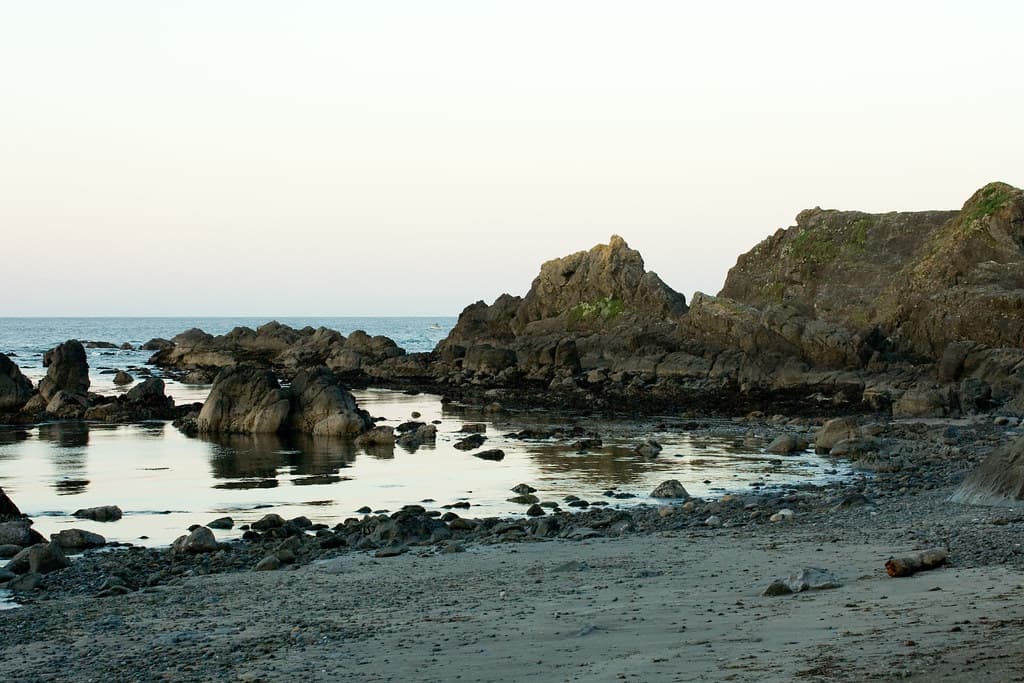
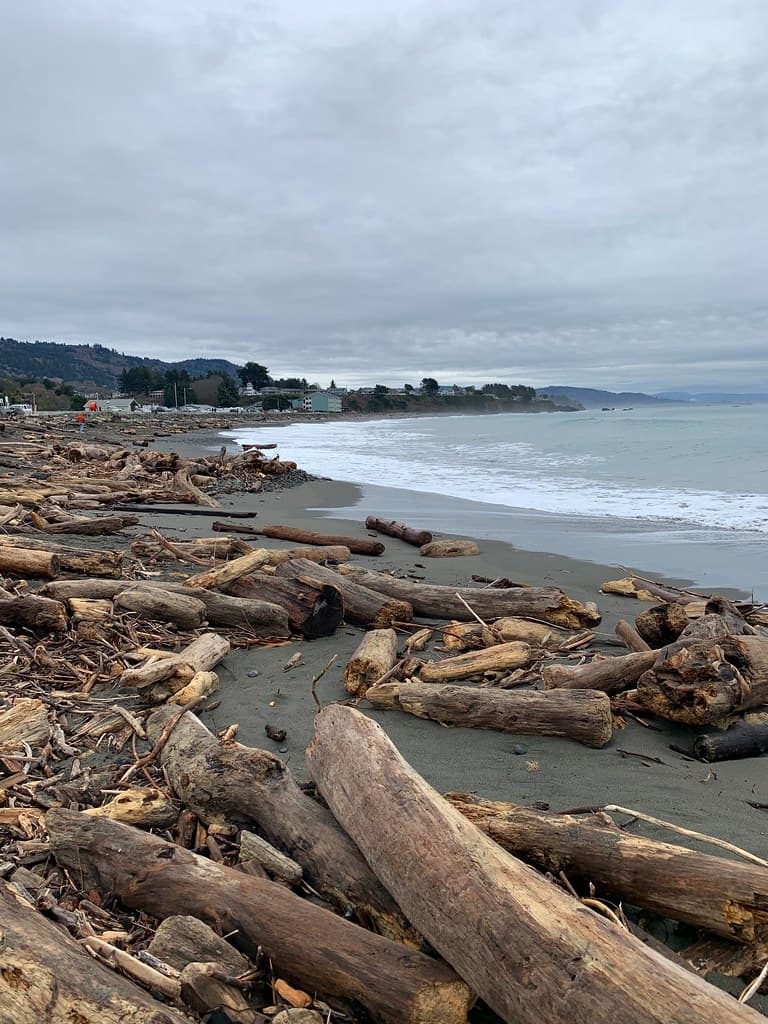
Pull off Highway 101 just north of Brookings and descend a short trail through coastal scrub to discover a beach that feels like Oregon's quiet epilogue. Pelican State Beach stretches in a long crescent beneath forested headlands, its dark sand littered with bleached driftwood logs the size of small cars. The Pacific here is moody and insistent, carving sea stacks from the cliffs and depositing agates among the stones. You'll have the sand largely to yourself, save for the occasional beachcomber bent double searching for jasper or the dog owners who know this as one of the coast's most liberating off-leash runs. At low tide, shallow pools reveal purple sea stars clinging to basalt shelves, and you can walk south toward the rocky outcrops where cormorants spread their wings to dry. The air smells of kelp and Douglas fir, that signature Oregon blend of ocean and temperate rainforest. Bring layers—the microclimate shifts from sun to fog within minutes, and the wind off the water has teeth even in July. This isn't a beach for idling in beach chairs; it's for striding along the waterline, watching storm systems materialize on the horizon, and understanding why the southern Oregon coast keeps its devotees coming back through every season.
Places, rentals, tours and events within walking and driving distance of Pelican State Beach.
Photos
Swimming at Pelican State Beach is generally not recommended due to cold water temperatures, strong currents, and unpredictable waves typical of Oregon's southern coast. The beach is better suited for tidepooling, beachcombing, and scenic walks. If you do wade, stay alert for sneaker waves—unexpected large waves that can knock people down and pull them into the ocean. Always supervise children closely and never turn your back on the ocean. The beach's rocky areas are ideal for exploration during low tide rather than swimming.
Pelican State Beach is accessible year-round, with each season offering different experiences. Summer (June-September) brings the most favorable weather with less fog and calmer seas, ideal for tidepooling and beachcombing. Winter and spring offer dramatic storm watching and fewer crowds, though expect rain and wind. Low tide periods are best for exploring tide pools regardless of season. Mornings typically have clearer skies and better lighting for photography. The beach's protected location near Brookings means it often enjoys milder weather than beaches further north along the Oregon coast.
Pelican State Beach is located just south of Brookings off Highway 101. Turn west onto Crissey Field Road and follow signs toward the beach. A free parking area is available near the beach access, though it's relatively small and can fill during summer weekends. The walk from parking to the beach is short and easy on mostly flat terrain. The beach sits within the Crissey Field State Recreation Site area. No day-use fee is required, making it an accessible stop for travelers exploring the southern Oregon coast.
Brookings, located just a few miles north, offers the nearest dining and lodging options with numerous hotels, vacation rentals, and restaurants ranging from casual seafood spots to cafes. You'll find major chain hotels and local motels along Highway 101. The beach itself has no food services or facilities, so bring supplies if planning an extended visit. Nearby Harris Beach State Park offers camping if you prefer staying closer to the coast. Brookings has grocery stores and shops for provisioning beach picnics or purchasing supplies before heading to Pelican State Beach.
Pelican State Beach stands out for its secluded, less-crowded atmosphere compared to more famous Oregon coast destinations. It's one of the southernmost beaches in Oregon, offering a unique transition zone where the Winchuck River meets the Pacific Ocean. The beach features excellent tidepooling opportunities with diverse marine life visible during low tides. Its location near the California border means it often enjoys milder, sunnier weather than northern Oregon beaches. The scenic backdrop combines rocky outcrops, driftwood-strewn sand, and coastal vegetation, creating a peaceful setting perfect for contemplative beach walks.