Counting the waves…
Counting the waves…

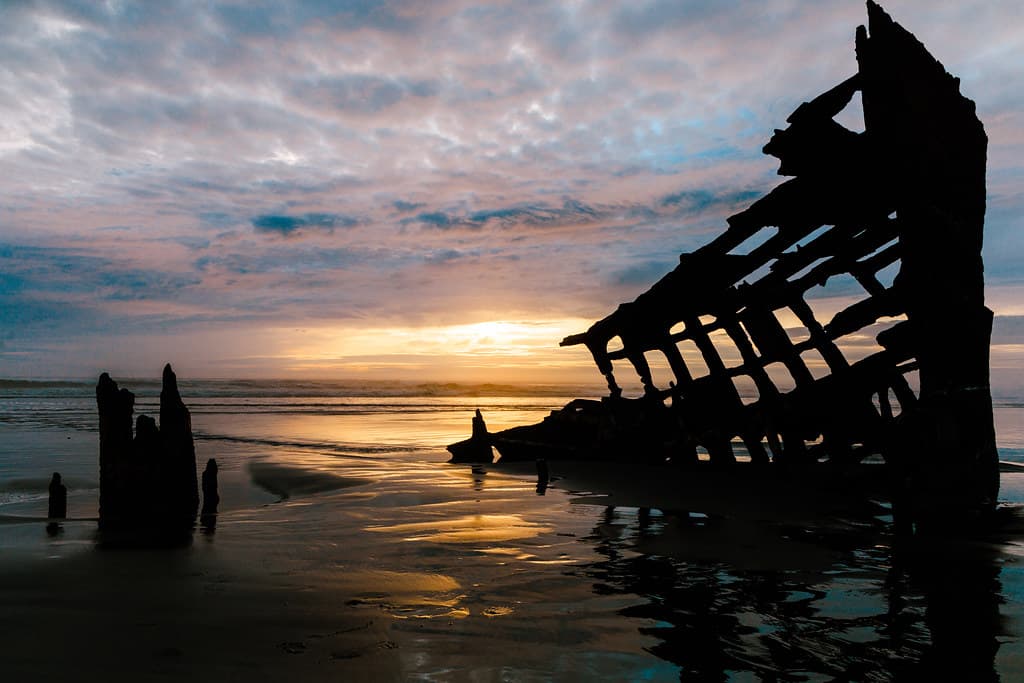
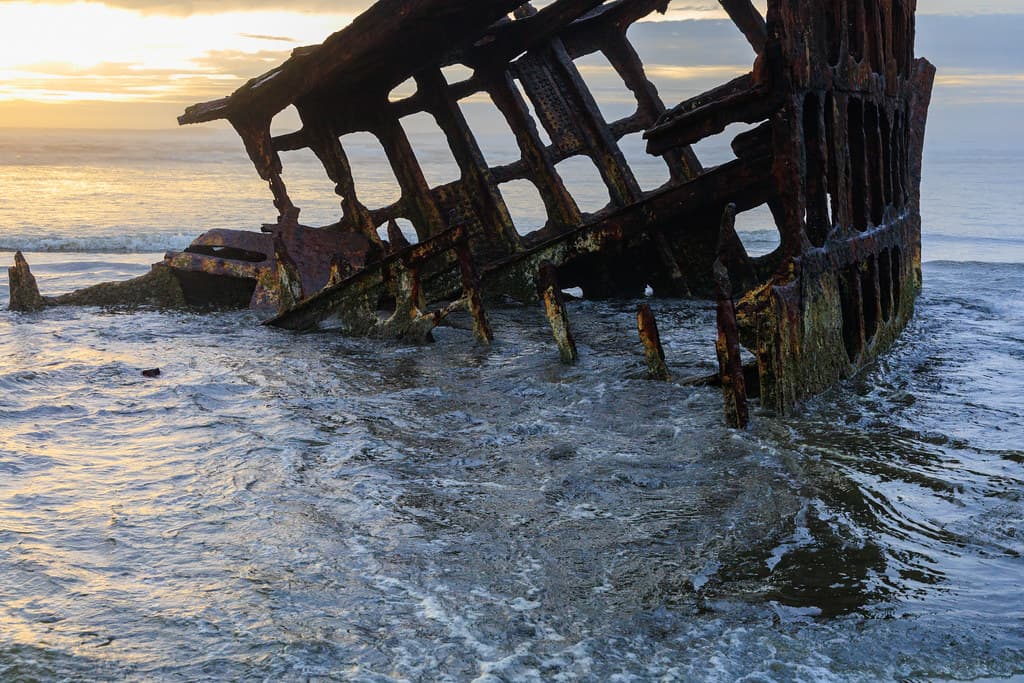
Clatsop Spit curves along the mouth of the Columbia River like a sculptor's bold stroke, dividing one of North America's great waterways from the open Pacific. You'll walk beaches littered with ship timber and fishing floats, remnants of the treacherous bar that's claimed more than two thousand vessels since the 1790s. The sand here is pewter-dark and firm underfoot, packed by relentless winter storms that rearrange the shoreline each season. The South Jetty extends nearly two miles into the Columbia's current, its massive basalt blocks green with algae and barnacles. Watch container ships navigate the channel while oystercatchers probe the rocks and Caspian terns dive for smelt. On clear days, the view stretches from Tillamook Head to Cape Disappointment, with the red-roofed Coast Guard station marking where Lewis and Clark first glimpsed the Pacific in 1805. Few beachgoers venture this far north, leaving you with mile-long solitude broken only by surf fishermen casting for perch and the occasional clammer working the tide pools. Wear layers—the wind off the river mouth cuts through cotton, and fog can roll in within minutes, erasing the jetty and transforming the spit into a private kingdom of mist and breaking waves.
Places, rentals, tours and events within walking and driving distance of Clatsop Spit Beach.
Photos
Swimming at Clatsop Spit Beach is not recommended due to dangerous conditions. The beach sits at the mouth of the Columbia River where it meets the Pacific Ocean, creating strong currents, unpredictable waves, and cold water temperatures year-round. Riptides and sneaker waves are common hazards. The area is known as the 'Graveyard of the Pacific' due to treacherous waters that have claimed numerous ships. Wading in shallow water requires extreme caution, and visitors should never turn their back on the ocean. The beach is better suited for walking, beachcombing, and wildlife viewing.
Clatsop Spit Beach can be visited year-round, with each season offering different experiences. Summer (July-September) provides the mildest weather with temperatures in the 60s-70s°F, though coastal fog is common. Spring and fall offer excellent opportunities for storm watching and spotting migrating birds with fewer crowds. Winter brings dramatic wave activity and the best conditions for observing seals and sea lions. The beach is particularly scenic during low tide when tide pools and sandbars are exposed. Expect wind any time of year, and dress in layers regardless of season.
Clatsop Spit Beach is located at the end of Clatsop Spit in Warrenton, Oregon. Access requires driving through Fort Stevens State Park. Take Ridge Road to the parking area near the South Jetty. There's a day-use parking lot where the Oregon State Parks pass or day-use fee applies. From the parking area, it's a short walk to the beach. The final approach involves walking over sand dunes. Four-wheel-drive vehicles can access certain beach areas with proper permits during specific times, but check current regulations with the park before attempting vehicle access.
Fort Stevens State Park offers the closest accommodations, with campgrounds featuring tent sites, RV hookups, and cabins available for reservation. For restaurants and more lodging options, head to nearby Warrenton (about 15 minutes away) which has several casual dining spots, cafes, and motels. The larger town of Astoria, approximately 20 minutes from the beach, provides extensive dining options ranging from seafood restaurants to breweries, plus numerous hotels, bed and breakfasts, and vacation rentals. It's wise to bring snacks and water as there are no food vendors directly at the beach.
The South Jetty at Clatsop Spit is a remarkable viewing spot where the Columbia River meets the Pacific Ocean. You can watch massive cargo ships navigating the river channel, often guided by pilots. The jetty itself extends two miles into the ocean and is popular for fishing, though walking on it requires caution due to uneven rocks and waves. Wildlife viewing is exceptional here—look for harbor seals, California sea lions, brown pelicans, and various seabirds. During migration seasons, you might spot whales offshore. The Observation Tower nearby provides panoramic views of this dramatic confluence.