Counting the waves…
Counting the waves…

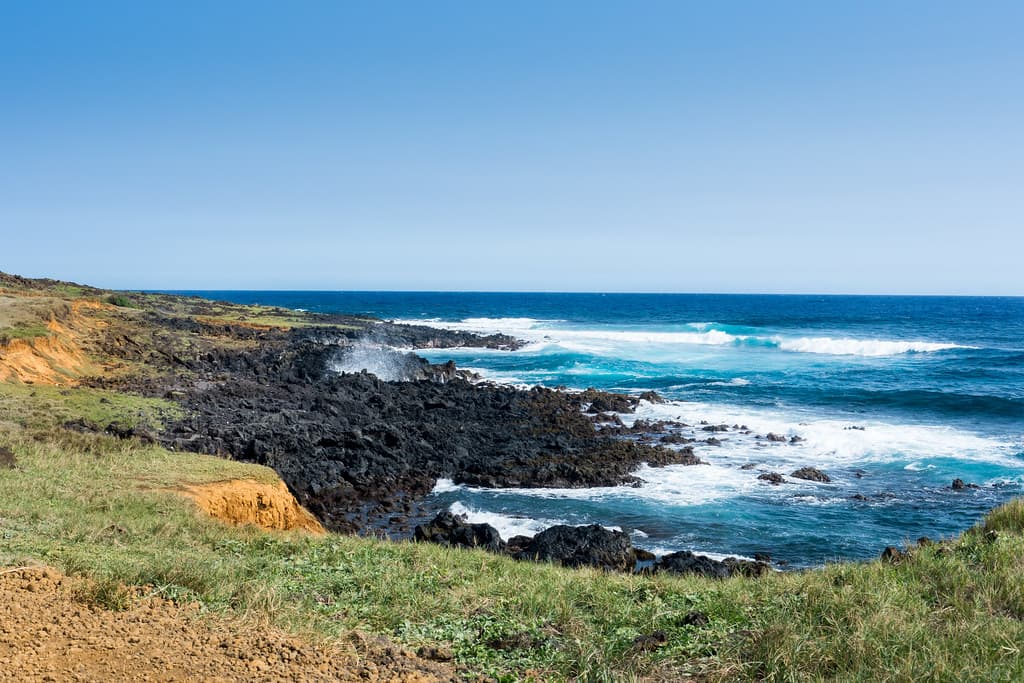
You'll find Black Point Beach by following Ocean Road south past the main Narragansett strip, where the houses grow farther apart and the roadside stands sell quahogs instead of T-shirts. The beach takes its name from the charcoal-hued rocks that jut into the Atlantic here, volcanic remnants worn smooth by centuries of nor'easters. At low tide, tide pools fill the crevices, holding hermit crabs and periwinkles in temporary aquariums. The shoreline alternates between narrow stretches of tan sand and long runs of cobblestone that click and rattle with each retreating wave. Locals arrive before breakfast to walk their dogs along the waterline, where the scent of rockweed mingles with salt spray. The lack of facilities—no lifeguards, no snack bar, no rental umbrellas—keeps the summer throngs at bay. You'll want to time your visit around the tides. High tide pushes right up to the seawall, leaving little room to spread a towel, but low tide exposes twenty yards of beach and reveals the full drama of the point's geology. Bring shoes you don't mind getting wet; the stones are slippery with algae, and the best views require scrambling out onto the rocks where waves explode into white plumes against black basalt.
Places, rentals, tours and events within walking and driving distance of Black Point Beach.
Photos
Black Point Beach is generally safe for swimming during calm conditions, but it's an unguarded beach without lifeguards on duty. The rocky shoreline and occasional strong currents require caution, especially during high tide or after storms. The beach is more popular for tidepooling and scenic walks than swimming. Check local surf reports and tide schedules before entering the water. Families with young children should supervise closely due to uneven terrain and wave conditions that can change quickly along this exposed stretch of Rhode Island coastline.
Early morning or late afternoon during summer months offers the best lighting for photography and fewer crowds at Black Point Beach. September through October provides comfortable temperatures, dramatic skies, and excellent tidepooling opportunities without peak-season crowds. Winter visits reward hardy travelers with stunning wave activity and solitude, though dress warmly for strong coastal winds. Spring brings migrating birds and wildflowers along the coastal paths. Avoid visiting during nor'easters or tropical storms when surf conditions become dangerous and access may be restricted.
Black Point Beach is located off Ocean Road in Narragansett. Limited street parking is available along Ocean Road near the beach access point, but spaces fill quickly during summer. There's no dedicated parking lot, so arrive early or visit during off-peak hours. From downtown Narragansett, head south on Ocean Road for approximately 2 miles. Look for coastal access paths between residential properties. Respect private property boundaries and park only in designated areas. Consider biking or walking from nearby Scarborough State Beach if parking isn't available.
Black Point Beach has no on-site amenities, restrooms, or food vendors, so come prepared with water, snacks, and necessities. The closest restaurants and shops are in Narragansett Pier, about 2 miles north, offering seafood restaurants, cafes, and convenience stores. Scarborough State Beach, roughly a mile away, has restrooms and concessions during summer. For lodging, Narragansett's main strip features hotels, motels, and vacation rentals within a 10-minute drive. Pack out all trash as there are no garbage facilities at this relatively undeveloped beach.
Black Point Beach stands out for its dramatic rocky coastline, tidepools teeming with marine life, and relative seclusion compared to Narragansett's busier sandy beaches. The dark volcanic-looking rocks create striking contrast against the surf, making it a photographer's favorite. Unlike the wide sandy expanses of nearby Scarborough or Narragansett Town Beach, this is primarily a rocky shore best for exploring, not sunbathing. The area offers excellent opportunities for finding sea glass, observing shorebirds, and experiencing a more rugged, natural Rhode Island coastline away from typical beach crowds.