
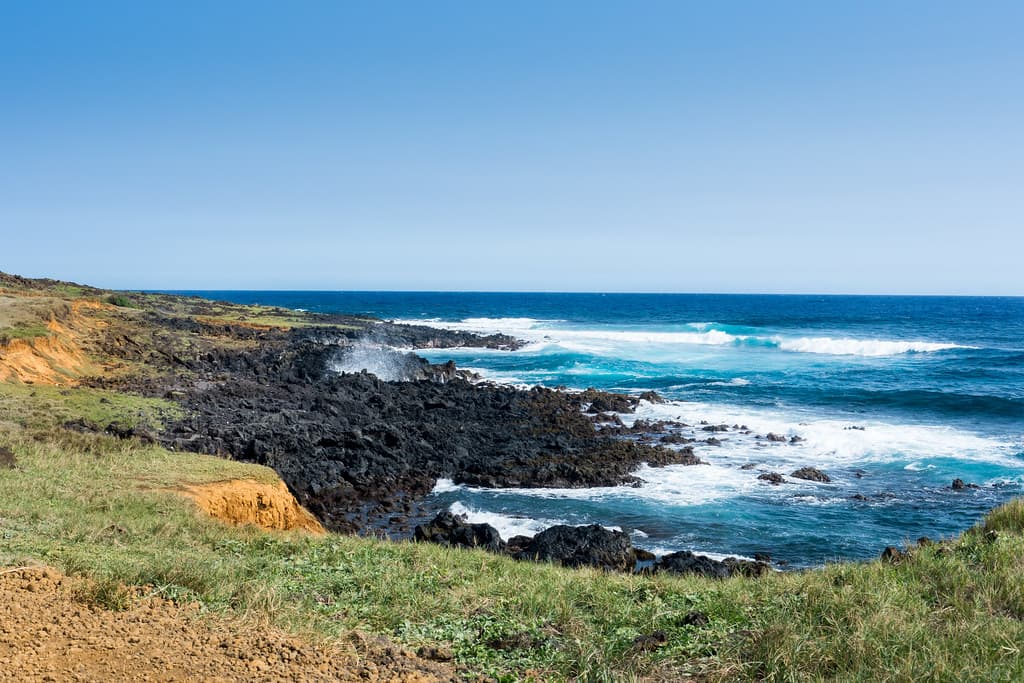
You'll find Black Point Beach by following Ocean Road south past the main Narragansett strip, where the houses grow farther apart and the roadside stands sell quahogs instead of T-shirts. The beach takes its name from the charcoal-hued rocks that jut into the Atlantic here, volcanic remnants worn smooth by centuries of nor'easters. At low tide, tide pools fill the crevices, holding hermit crabs and periwinkles in temporary aquariums.
“The dark volcanic outcrops create a moody, tide-pool-studded shoreline that feels more Maine than southern New England.”
 Credit: Flickr
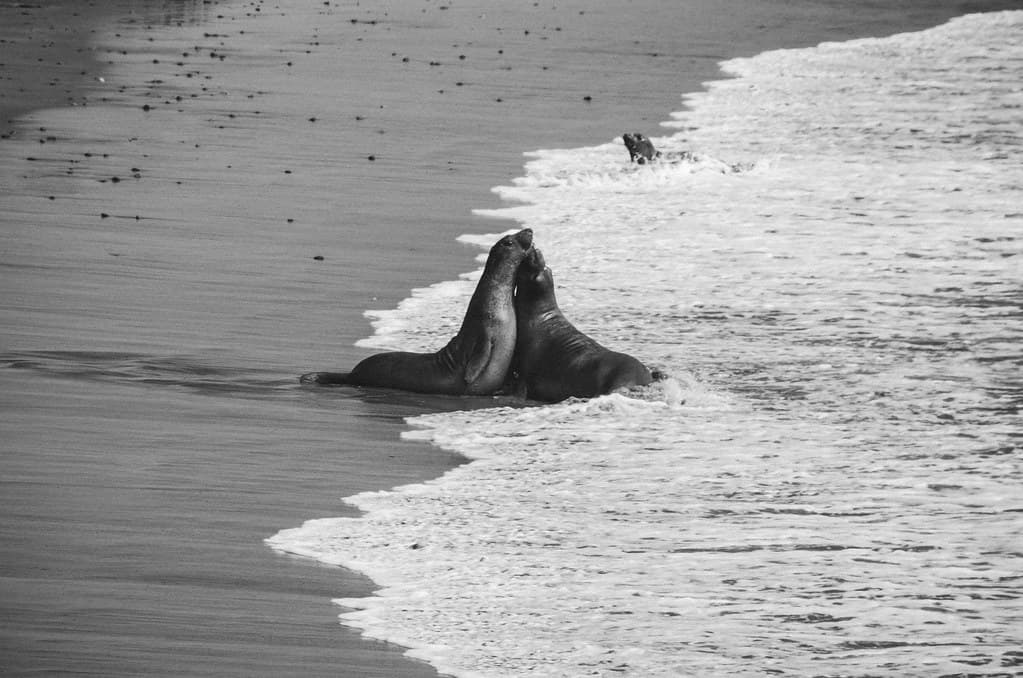
Sea lions
The shoreline alternates between narrow stretches of tan sand and long runs of cobblestone that click and rattle with each retreating wave. Locals arrive before breakfast to walk their dogs along the waterline, where the scent of rockweed mingles with salt spray. The lack of facilities—no lifeguards, no snack bar, no rental umbrellas—keeps the summer throngs at bay.
You'll want to time your visit around the tides. High tide pushes right up to the seawall, leaving little room to spread a towel, but low tide exposes twenty yards of beach and reveals the full drama of the point's geology. Bring shoes you don't mind getting wet; the stones are slippery with algae, and the best views require scrambling out onto the rocks where waves explode into white plumes against black basalt.


