Counting the waves…
Counting the waves…

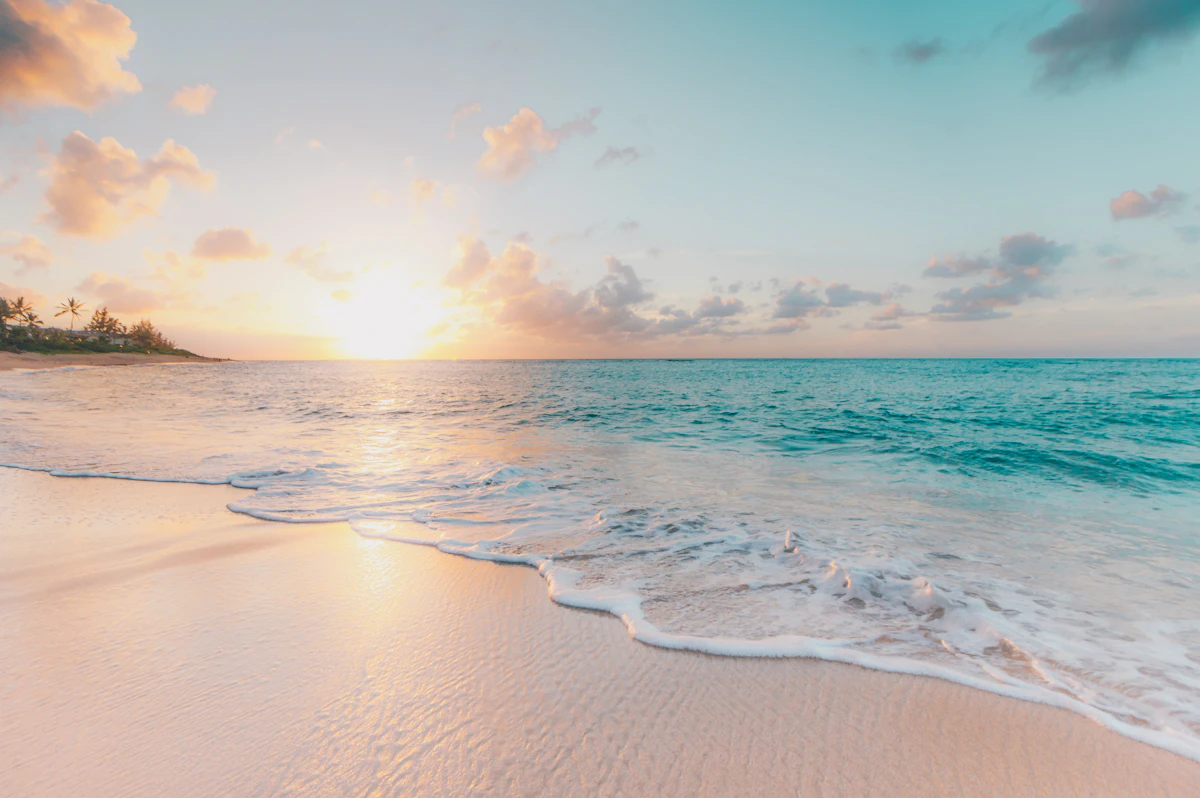
Crescent Beach sits in the residential pocket north of Myrtle Beach's hotel corridor, a fortunate accident of geography that keeps the spring-break masses at bay. You'll walk barefoot on sand the color of graham crackers, passing low-slung beach houses with weathered decks instead of high-rise balconies. The Atlantic here rolls in with patient swells—no drama, no riptides to watch for, just the kind of predictable waves that let you read three chapters while your kids bodysurf within earshot. The beach widens at low tide, revealing tide pools stippled with coquina clams and the occasional whelk shell. Joggers favor the hard-packed sand near the waterline in early morning, and by mid-afternoon you'll smell burgers grilling on portable hibachis as multigenerational groups stake out spots with pop-up canopies. You're still close enough to the main strip to grab pizza or funnel cakes when the mood strikes, but far enough that the only soundtrack is gulls and surf. Come winter, the water chills but the air stays mild—locals walk their dogs past empty lifeguard stands, and you can hunt for sand dollars without dodging beach umbrellas. The lack of pretense is the point here: no cabanas to reserve, no velvet ropes, just a workable stretch of coastline that delivers exactly what a beach should without asking you to dress it up in superlatives.
Places, rentals, tours and events within walking and driving distance of Crescent Beach.
Photos
Crescent Beach is generally safe for swimming, with lifeguards on duty during peak summer months. The beach features gentle waves and gradual slopes, making it family-friendly. However, always check daily flag warnings before entering the water. Purple flags indicate dangerous marine life like jellyfish, while red flags mean hazardous conditions. Rip currents can occur, especially during storms or high winds. Swim near lifeguard stands when possible, and supervise children closely. The Myrtle Beach area monitors water quality regularly, and closures due to bacteria are rare but occasionally happen after heavy rainfall.
Crescent Beach welcomes visitors year-round, but the peak season runs from June through August with warm water temperatures (75-82°F) and the most crowds. For fewer people and comfortable weather, visit during shoulder seasons: April-May or September-October, when temperatures hover in the 70s-80s and ocean remains swimmable. Winter (December-February) offers mild conditions for beach walks, though water is too cold for most swimmers. Spring break (March) brings college crowds. Hurricane season runs June through November, with September being the highest-risk month for tropical weather.
Crescent Beach, located in the upscale Crescent Beach section of North Myrtle Beach along Ocean Boulevard, primarily offers street parking along residential areas. Most access points have limited free parking on side streets, though spots fill quickly during summer. Some nearby hotels and resorts offer paid public parking. Consider parking at North Myrtle Beach parks like Tilghman Beach or Cherry Grove Beach Park, which have designated lots with fees typically ranging from $5-15 daily. Arrive early during peak season (before 10am) to secure spots. Street parking regulations vary, so check posted signs carefully.
Crescent Beach sits in a quieter, more residential area compared to central Myrtle Beach, with fewer immediate beachfront amenities. You'll find restaurants and shops within a short drive along Highway 17, including seafood restaurants, casual dining, and grocery stores. The main Myrtle Beach strip with its concentration of restaurants, attractions, and entertainment is about 15-20 minutes south. Nearby accommodations include vacation rentals, condos, and smaller beach resorts rather than large high-rise hotels. Public restrooms are limited; some hotels allow beach access through their facilities. Plan to bring beach supplies or stop at stores before arriving.
Crescent Beach offers a quieter, more residential atmosphere compared to the busy Grand Strand tourist corridor. This section features fewer high-rise hotels and commercial development, attracting visitors seeking a peaceful beach experience while remaining close to Myrtle Beach attractions. The area primarily consists of beach houses, low-rise condos, and vacation rentals, making it popular with families wanting a home-away-from-home setting. The beach itself tends to be less crowded than central Myrtle Beach, especially during peak summer months. It's ideal for those who want proximity to entertainment and dining without staying in the tourist hustle.