Counting the waves…
Counting the waves…

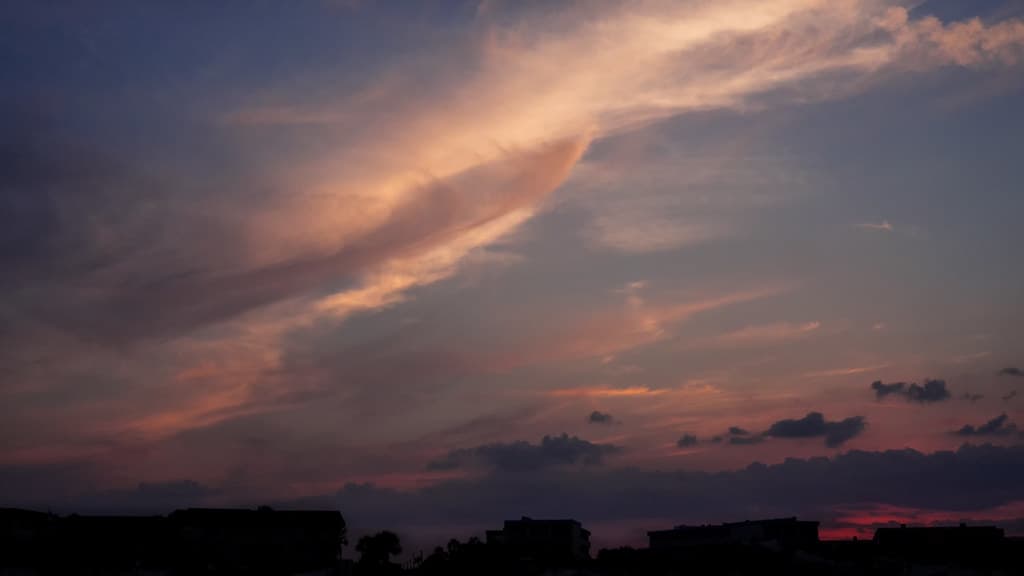
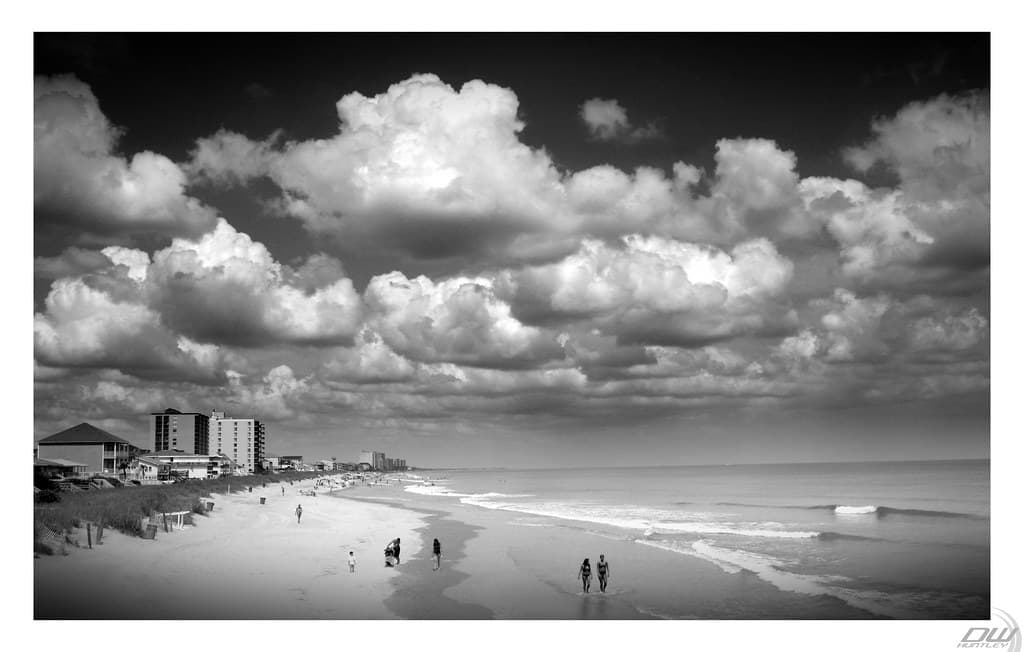
North Myrtle Beach unfurls along thirteen miles of the Grand Strand, where the sand runs compact enough for morning joggers and wide enough that your beach towel never feels crowded, even in July. The water here stays bathwater-warm through September, its gradual slope letting children wade out twenty yards before the Atlantic reaches their waists. Pelicans dive-bomb for mullet just beyond the sandbar, and shrimp boats trawl the horizon at dawn, their outriggers spread like wings. This is the beach that invented the shag, South Carolina's state dance, and you'll still find couples two-stepping barefoot at sunset near Ocean Drive. Between the dunes, pastel-painted beach houses on stilts give way to the kind of Old South motels your grandparents might remember—neon signs advertising ice machines and shuffleboard courts, their retro charm now genuinely vintage. The boardwalk at Barefoot Landing hums with live bluegrass on Thursday evenings. Your days here follow an easy rhythm: morning boogie-board sessions, midday refuge under a rented umbrella with a cooler full of boiled peanuts, late-afternoon hunts for olive shells and whelks tumbled smooth by the tide. When hunger strikes, you're never far from calabash-style seafood—cornmeal-crusted flounder and hushpuppies served on paper plates—or the vinegar tang of Carolina pulled pork at roadside shacks where locals argue Clemson versus Carolina.
Places, rentals, tours and events within walking and driving distance of North Myrtle Beach.
Photos
North Myrtle Beach is generally safe for family swimming, with lifeguards stationed at popular access points during summer months (Memorial Day through Labor Day). The beach features gentle slopes and typically calm waves, ideal for children. However, always check daily flag warnings before entering the water. Purple flags indicate dangerous marine life like jellyfish, while red flags mean hazardous conditions. Rip currents can occur, so swim near lifeguard stations and teach children to swim parallel to shore if caught in one. The beach patrol provides excellent supervision during peak season.
Late spring (April-May) and early fall (September-October) offer the best balance of warm weather, lower crowds, and affordable rates. Summer (June-August) brings peak season with temperatures in the 80s-90°F, but also the largest crowds and highest prices. Water temperatures reach a comfortable 75-80°F from June through September. Winter remains mild (50s-60s°F), perfect for budget travelers and golf enthusiasts, though ocean swimming is chilly. Hurricane season runs June through November, with September being the most active month, though direct hits are relatively rare.
North Myrtle Beach offers numerous public parking options. Free parking is available at several public beach accesses along Ocean Boulevard, including Cherry Grove, Crescent Beach, and Windy Hill sections, though spaces fill quickly in summer. Metered parking costs approximately $2-3 per hour at various access points. For extended stays, consider day passes where available. Many hotels and resorts offer free parking for guests. Arrive before 10am during peak season for the best chance at spots. Street parking regulations are enforced, so check posted signs carefully to avoid tickets.
North Myrtle Beach offers extensive dining and accommodation options for all budgets. Oceanfront hotels, condos, and resorts line Ocean Boulevard, ranging from budget-friendly chains to upscale properties. Many families prefer weekly condo rentals for full kitchens. The Main Street area features diverse restaurants, from seafood spots like Duffy Street Seafood Shack to casual beach bars. Highway 17 provides additional chain restaurants and shopping. Barefoot Landing, a popular waterfront complex, offers 100+ shops and restaurants including waterfront dining. Grocery stores like Kroger and Food Lion serve self-catering visitors.
North Myrtle Beach is the birthplace of the shag, South Carolina's official state dance. This swing-style partner dance emerged in the 1940s-50s at beachfront pavilions and remains deeply embedded in local culture. The shag is danced to beach music, a rhythm-and-blues sound that's distinct to the Carolina coast. Visitors can experience shag culture at venues like Fat Harold's Beach Club and Duck's Beach Club, especially during the Spring Safari and Fall Migration events when thousands of shaggers gather. Free shag lessons are often available at various venues throughout the week during summer.