Counting the waves…
Counting the waves…
A refined fusion of water purity, environmental stability, and communal vibrancy for Chincoteague National Wildlife Refuge Beach.
View MethodologyAnalyzed via live sensors and environmental data.
Wave height, wind, and atmospheric stability.
Live footfall and crowd balance metrics.
Community reviews and curated sentiment.
“You'll share this thirteen-mile ribbon of sand with feral Chincoteague ponies grazing in the dunes, watch peregrine falcons dive over breakers, and smell the brackish mix of marsh mud and ocean spray. The beach lies…”
Limited recent visitor reports — live OBI telemetry is your best guide for current conditions.
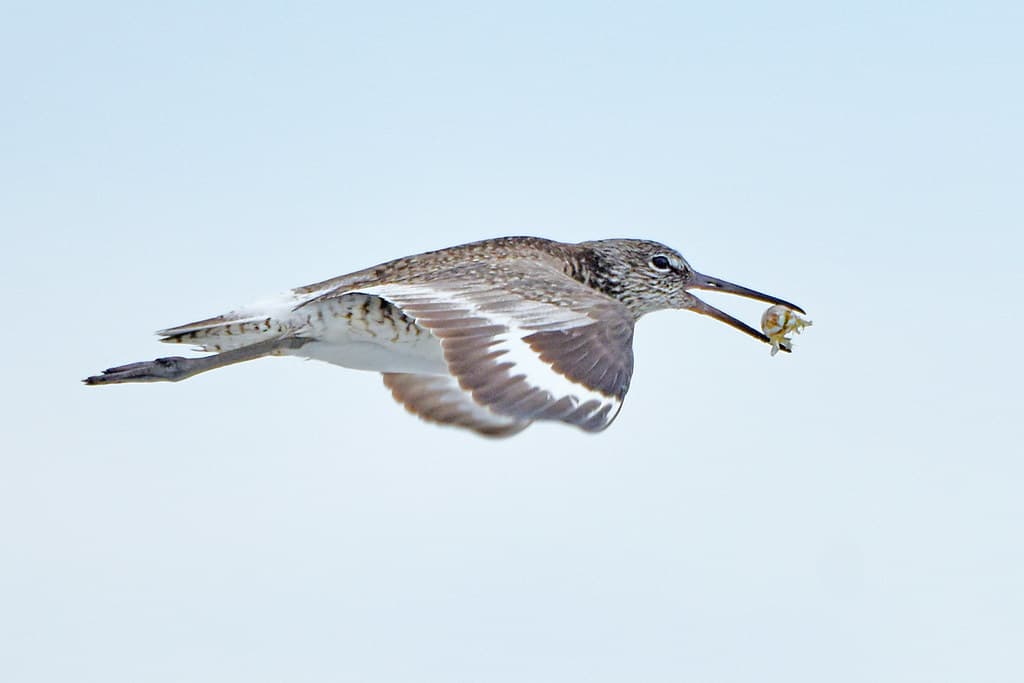
You park beneath loblolly pines and walk a wooden boardwalk over dunes stippled with beach grass. The sand stretches wide and beige, firm underfoot near the tideline where sandpipers skitter ahead of foaming waves. To your left, the dunes rise into thickets of bayberry and wax myrtle; to your right, the Atlantic rolls in with a steady, unhurried rhythm. This is a beach governed by tides and migration patterns, not lifeguard whistles.
The famous ponies—descendants of shipwreck survivors or colonial livestock, depending on which local historian you ask—wander the marsh edges and sometimes the beach itself, their shaggy coats bleached by sun and salt. You'll smell them before you see them: a warm, grassy scent mingling with the iodine tang of exposed mudflats at low tide. Bring binoculars. Over three hundred bird species pass through here, and the refuge prioritizes their nesting grounds over your beach umbrella.
Credit: FlickrPhotograph Wild Ponies
Credit: FlickrWalk Wildlife Loop
Dawn patrol near marsh edges
Three miles through pine forest
Gentle waves, cool even summer
Where it is
Chincoteague National Wildlife Refuge Beach
Chincoteague, Virginia, USA
37.909500°, -75.299100°
Weather
Loading…
Swell
—
Temp
Warm · Restorative
UV Index
Moderate
Wind
—
Tidal State
Last known
Max Sunlight
—
Ideal Shade
—
May - Sep (Peak)
Jan - Dec (Off-season)
Historical data suggests peak visibility and stable sea temperatures occur during the prime visitation window.
Select a category to load nearby places.
Unlock restaurants, luxury stays and curated maritime experiences within 2km
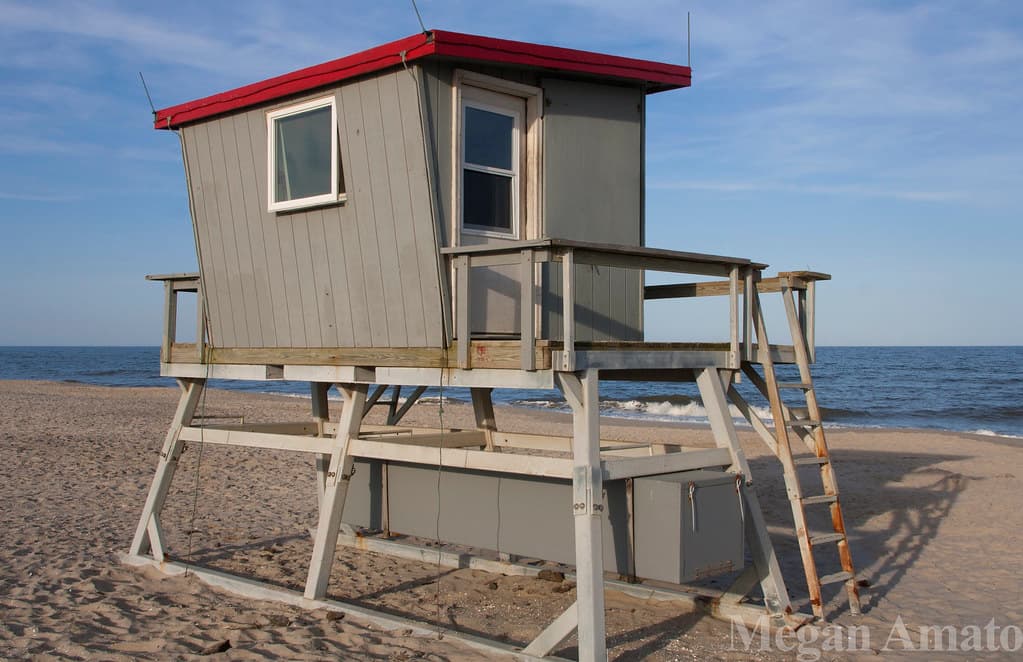
Swimming is allowed and generally safe at Chincoteague Beach, with lifeguards on duty from Memorial Day through Labor Day. The beach features calm Atlantic waters with gentle waves, making it family-friendly. However, always check posted flags and warnings before entering the water. Strong currents can occasionally occur, particularly during storms or high winds. The beach is regularly maintained and monitored. No alcohol is permitted, and pets must be leashed. Swimming outside guarded hours or off-season is at your own risk, so exercise caution and never swim alone.
Chincoteague Beach is accessible year-round, with each season offering distinct experiences. Summer (June-August) provides warm swimming weather but attracts the largest crowds, especially during the famous Pony Penning in late July. Spring and fall offer mild temperatures, fewer visitors, and excellent wildlife viewing opportunities. Winter is quiet and ideal for beachcombing and birdwatching, though water is too cold for swimming. May-June and September-October are often considered optimal, balancing pleasant weather with manageable crowds. The refuge opens daily, typically from dawn to dusk.
Access Chincoteague Island via Route 175 from mainland Virginia (no ferry required). From the town of Chincoteague, follow signs to the National Wildlife Refuge, crossing a bridge to Assateague Island where the beach is located. Beach parking lots are available near the visitor center and bathhouses. Parking fills quickly on summer weekends, so arrive early. A weekly vehicle pass ($20) or annual refuge pass is required for entry. Overflow parking may be available during peak times. The beach is approximately 3 miles from downtown Chincoteague.
While the refuge itself has no restaurants, the nearby town of Chincoteague offers diverse dining from seafood shacks to upscale restaurants, many specializing in fresh local oysters and clams. Basic amenities including restrooms, outdoor showers, and changing facilities are available at the beach. Lodging options in Chincoteague include hotels, motels, vacation rentals, and campgrounds. The refuge itself offers no overnight accommodations, but camping is available at Toms Cove Campground on Assateague Island. Downtown Chincoteague is just a short drive away for all visitor services.
Yes, wild ponies roam freely on Assateague Island where the beach is located, and you may spot them along the beaches, trails, or marshlands. While sightings aren't guaranteed daily, they're common, especially early morning or late afternoon. The most famous opportunity is the annual Pony Penning in late July, when ponies swim across the channel. Never approach, feed, or touch the ponies—they're wild animals and can bite or kick. Maintain at least 40 feet distance. Biking the wildlife loop or hiking refuge trails increases your chances of sightings.
Photos