
Counting the waves…
Counting the waves…
A refined fusion of water purity, environmental stability, and communal vibrancy for Assateague Beach (VA).
View MethodologyAnalyzed via live sensors and environmental data.
Wave height, wind, and atmospheric stability.
Live footfall and crowd balance metrics.
Community reviews and curated sentiment.
“You'll smell the marsh grass before you see the horses—Assateague's famed ponies wander between dunes and your beach blanket, their hoofprints dimpling wet sand alongside your own. The Atlantic crashes cold and steady,…”
Limited recent visitor reports — live OBI telemetry is your best guide for current conditions.
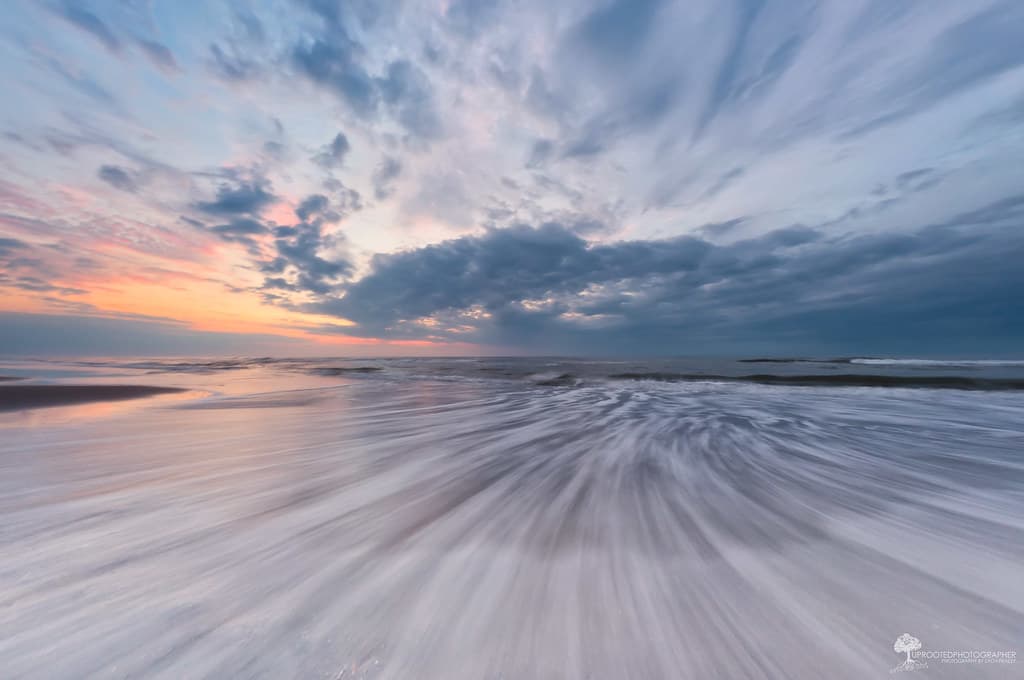
The first rule at Assateague is simple: do not approach the ponies. They look gentle, grazing near your cooler or nosing through beach plum thickets, but these are feral horses with teeth and hooves and a taste for unattended sandwiches. You access the Virginia portion through Chincoteague National Wildlife Refuge, driving past pine and myrtle scrub until asphalt gives way to sand parking and the long, unbroken strand unfolds—barrier beach in its purest form, no boardwalks or umbrellas for rent.
The water runs cold even in July, the surf choppy and muscular, better for bodysurfing than lazy floating. Sanderlings sprint along the foam line. Bottle-nosed dolphins surface offshore most mornings. Behind you, the dunes rise in tufts of sea oats and American beachgrass, sheltering piping plovers and nesting terns that ranger patrols monitor with quiet vigilance.
Dawn light, telephoto lens essential
Launch from Chincoteague boat ramps
Cold Atlantic, strong undertow caution
Where it is
Assateague Beach (VA)
Chincoteague, Virginia, USA
37.914600°, -75.300300°
Weather
Loading…
Swell
—
Temp
Warm · Restorative
UV Index
Moderate
Wind
—
Tidal State
Last known
Max Sunlight
—
Ideal Shade
—
May - Sep (Peak)
Jan - Dec (Off-season)
Historical data suggests peak visibility and stable sea temperatures occur during the prime visitation window.
Select a category to load nearby places.
Unlock restaurants, luxury stays and curated maritime experiences within 2km
Swimming is permitted at Assateague Beach, but conditions vary seasonally. Summer waters are warmest (70-75°F) with generally calm conditions, though currents can strengthen during storms. Lifeguards are on duty at certain beach areas during summer months only. Always check posted flags and warnings before entering the water. Be aware that the wild horses, while iconic, should never be approached—maintain at least 40 feet distance as they can bite and kick. No jellyfish nets are present, so stings are possible during late summer.
Late spring through early fall (May-September) offers the warmest weather and best beach conditions, with July-August being peak season. However, summer brings crowds and biting insects. Fall (September-November) provides pleasant temperatures, fewer mosquitoes, and excellent wildlife viewing as migratory birds pass through. Winter and early spring are quietest for solitude and wild horse photography, though swimming is too cold and some facilities close. Pony Swim Week in late July attracts huge crowds to nearby Chincoteague for the famous wild horse roundup.
Access Virginia's Assateague Beach through Chincoteague Island. From the mainland, take Route 175 across the causeway to Chincoteague, then follow signs to Assateague Island National Seashore (about 5 miles total). Cross the bridge onto Assateague where you'll find the entrance station. Parking lots are available near the beach with a daily entrance fee ($20 per vehicle in 2024, valid for 7 days). Arrive early during summer weekends as parking fills quickly. Oversand vehicle permits are available for beach driving in designated areas.
Assateague Island itself has no lodging or restaurants—only basic facilities like restrooms and outdoor showers. All accommodations and dining are in nearby Chincoteague, less than 10 minutes away, offering hotels, vacation rentals, bed and breakfasts, and campgrounds. Chincoteague has seafood restaurants, casual eateries, ice cream shops, and grocery stores. Pack your own food and drinks for beach days as nothing is sold on Assateague. The island does have two campgrounds (Tom's Cove and Bayside) operated by the National Park Service, requiring advance reservations.
Yes, wild horses roam freely on Assateague Island and sightings are common, though never guaranteed. You'll often spot them grazing near beaches, marshes, or roadways. Federal law requires maintaining at least 40 feet (one bus length) distance—these are wild animals that bite and kick, and approaching them carries steep fines. Never feed them, as human food is harmful and illegal. The horses are most active during cooler morning and evening hours. Bring binoculars or telephoto lenses for better views while respecting their space and natural behavior.