Counting the waves…
Counting the waves…
A refined fusion of water purity, environmental stability, and communal vibrancy for Hog Island Beach.
View MethodologyAnalyzed via live sensors and environmental data.
Wave height, wind, and atmospheric stability.
Live footfall and crowd balance metrics.
Community reviews and curated sentiment.
“You step from the skiff onto sand still dimpled by morning herons, the entire seven-mile spine of Hog Island stretching north with not another footprint in sight. Salt marsh perfumes the air as waves fold onto the…”
Limited recent visitor reports — live OBI telemetry is your best guide for current conditions.
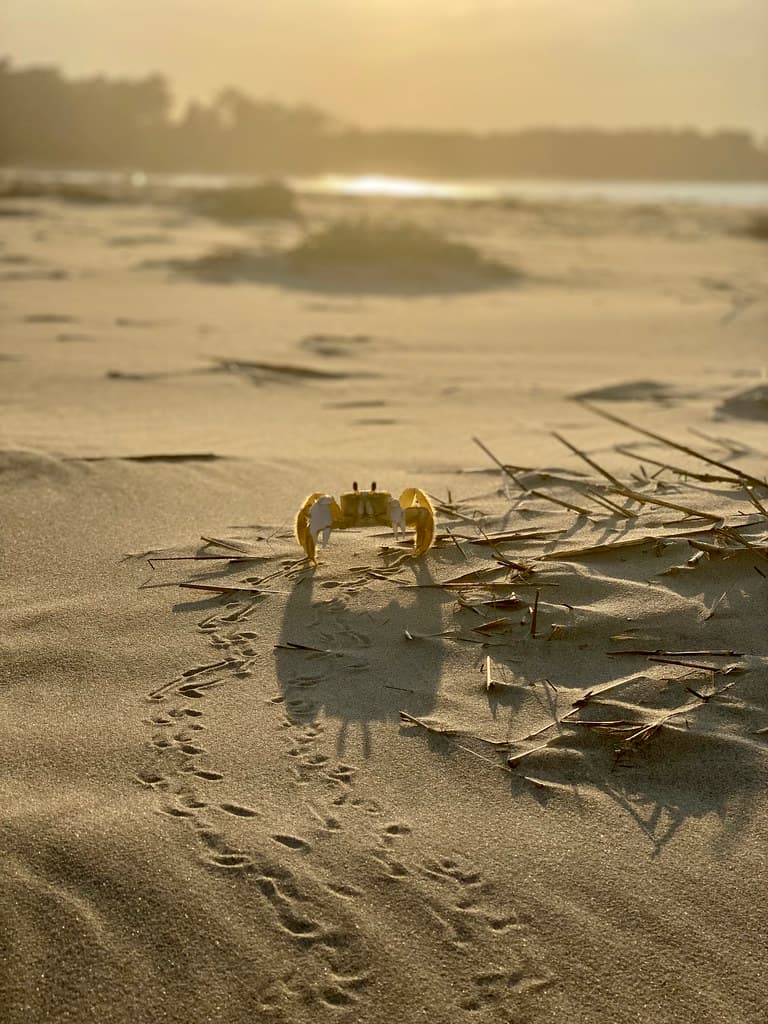
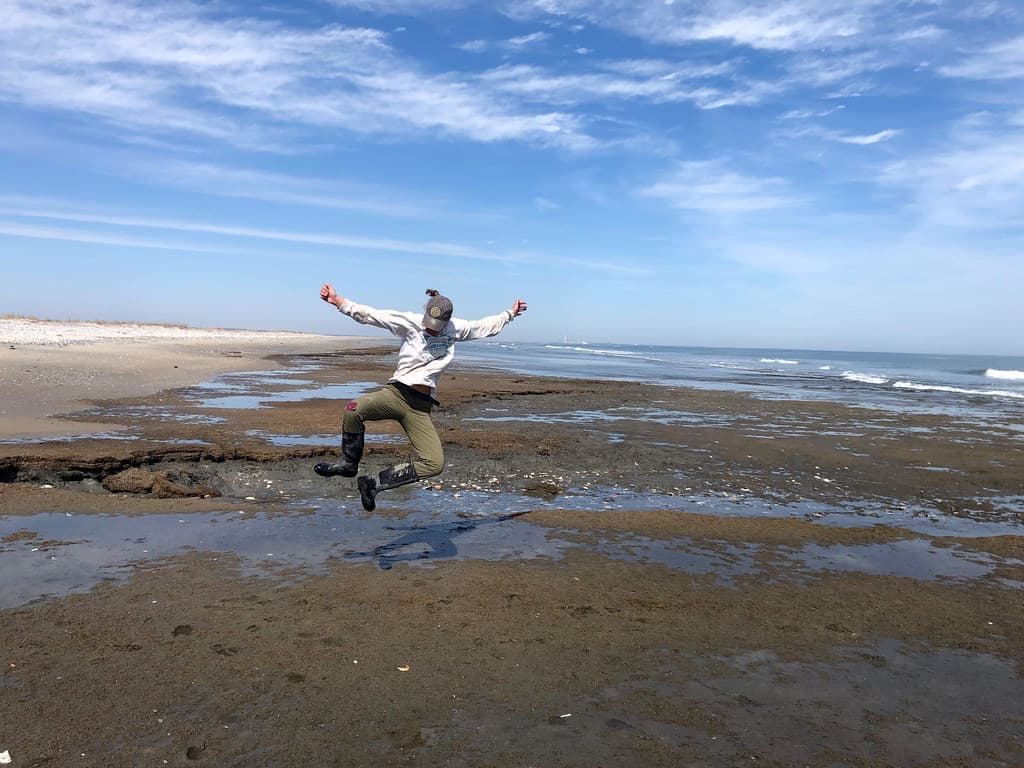
The boat cuts across Wachapreague Channel at dawn, and within fifteen minutes you're stepping onto an island that hasn't seen permanent human habitation since the 1930s. Hog Island Beach unfurls along the eastern flank of this narrow barrier, where the Atlantic meets dunes crowned with beach grass and stands of loblolly pine that somehow survive the salt. Ospreys nest in skeletal trees, and ghost crabs leave hieroglyphics across sand the color of raw honey.
You walk for miles without encountering a single soul, just the occasional waterman checking crab pots in the shallows. The surf here runs calm most days, protected somewhat by offshore shoals, making the water accessible even when wind kicks up whitecaps farther out. Shells accumulate in tidal wrack lines—whelks, scallops, sand dollars bleached by sun.
Credit: FlickrShore Bird Watch
Piping plovers nest spring through summer
Gentle surf over sandy bottom
Seven miles of unbroken beachcombing
Where it is
Hog Island Beach
Wachapreague, Virginia, USA
37.584200°, -75.676900°
Weather
Loading…
Swell
—
Temp
Warm · Restorative
UV Index
Moderate
Wind
—
Tidal State
Last known
Max Sunlight
—
Ideal Shade
—
May - Sep (Peak)
Jan - Dec (Off-season)
Historical data suggests peak visibility and stable sea temperatures occur during the prime visitation window.
Select a category to load nearby places.
Unlock restaurants, luxury stays and curated maritime experiences within 2km
Hog Island Beach is a barrier island accessible only by boat, making swimming conditions dependent on weather and tides. The Atlantic-facing beach can have strong currents and undertow, so swimming requires caution and awareness of conditions. There are no lifeguards on duty. The bay side typically offers calmer waters. Always check weather forecasts before your visit and never swim alone. The remote nature means emergency services would take longer to reach you, so assess your swimming abilities honestly before entering the water.
Hog Island Beach is accessible year-round, but late spring through early fall (May-September) offers the warmest weather and calmest seas for boat access. Summer provides ideal beach conditions but can be hot and buggy. Fall brings cooler temperatures, fewer insects, and excellent beachcombing after storms. Winter visits offer solitude and dramatic scenery but require careful weather monitoring for safe boat travel. Spring migration season attracts birdwatchers. Regardless of season, always check marine forecasts before planning your boat trip to this barrier island.
Hog Island Beach is only accessible by boat from Wachapreague, known as the "Little City by the Sea." You can hire a water taxi or charter boat from Wachapreague Harbor, or launch your own boat from the public boat ramp on Route 180. Parking is available near the harbor and boat launch areas in town. The boat ride takes approximately 10-15 minutes depending on conditions. No vehicles are permitted on the island itself. Advance arrangements with local boat captains are recommended, especially for return trips.
Hog Island itself is uninhabited with no facilities, restaurants, or accommodations. You must bring all food, water, and supplies with you. The nearby town of Wachapreague offers limited dining options, including seafood restaurants and a general store for provisions. Accommodations in Wachapreague include small inns, vacation rentals, and bed-and-breakfasts. For more extensive lodging and dining choices, Exmore and Cape Charles are 20-30 minutes away. Plan to pack out all trash as the island has no waste facilities.
Hog Island is part of the Virginia Coast Reserve owned by The Nature Conservancy, and camping policies can vary. Generally, primitive camping may be permitted in designated areas, but you should contact The Nature Conservancy or local authorities in Wachapreague before planning an overnight stay to confirm current regulations. If permitted, this is true wilderness camping with no facilities, fresh water, or shelter. You must be completely self-sufficient and prepared to pack out everything you bring. Weather can change rapidly, so experienced campers only.
Photos