Counting the waves…
Counting the waves…

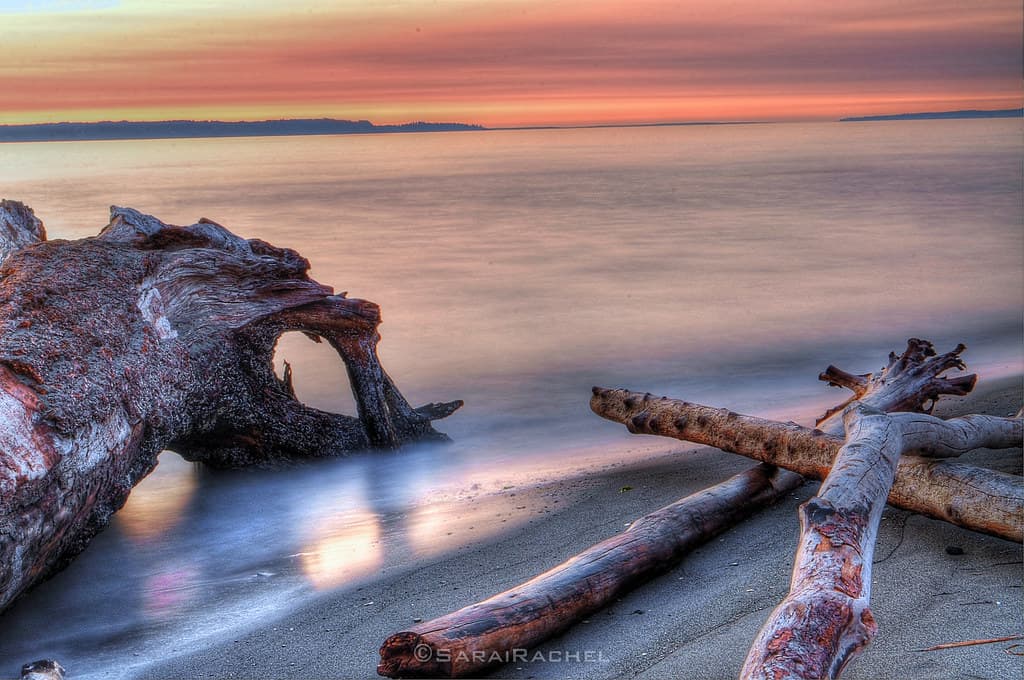
Brackett's Landing sits wedged between Edmonds' commuter ferry terminal and a marina crowded with sailboats, an unlikely setting for one of Puget Sound's most accessible underwater parks. You'll share the rocky shoreline with dog walkers, scuba divers hauling gear down the ramp, and toddlers chasing sculpin in tidal pools. The beach itself is a narrow strip of sand and cobble, the kind that shifts underfoot and collects smooth agates after winter storms. The real draw lies beneath the surface. Concrete pilings from the old ferry dock now serve as artificial reef structure, draped in orange plumose anemones and patrolled by schools of perch. You'll spot harbor seals bobbing offshore, their whiskered faces tracking your movements with mild curiosity. Dive flags dot the water year-round—this is a training ground for cold-water certification courses, where students practice buoyancy control in forty-five-degree visibility that ranges from eight to thirty feet depending on plankton blooms. Above water, the beach operates as Edmonds' unofficial town square. Locals arrive at dawn with thermoses and binoculars, tracking cormorants and herons. By afternoon, the picnic tables fill with families unpacking sandwiches while ferries lumber past, their wakes sloshing against the breakwater. The Olympic Mountains stack up across the sound, snow-capped even in July, close enough that you can count ridgelines.
Places, rentals, tours and events within walking and driving distance of Brackett's Landing Beach.
Photos
Brackett's Landing Beach has calm waters protected by a breakwater, making it safer for wading and gentle swimming than many Puget Sound beaches. However, the water remains cold year-round (typically 45-55°F), so wetsuits are recommended. The beach is rocky rather than sandy, so water shoes help. Lifeguards are not typically on duty. Children can enjoy shallow areas, but always supervise them closely. The underwater park area attracts divers, so be aware of diving activity flags and stay clear of those zones.
Brackett's Landing is accessible year-round, with each season offering different experiences. Summer (June-September) brings the warmest weather and best conditions for picnicking, with temperatures in the 70s°F, though the water remains cold. Winter offers dramatic storm-watching and fewer crowds. Low tide is ideal for exploring tide pools and the rocky shoreline. Sunset visits are spectacular year-round, as the beach faces west over Puget Sound toward the Olympic Mountains. Weekday visits tend to be quieter than weekends.
Brackett's Landing is located in downtown Edmonds at the west end of Main Street, easily accessible from Highway 104. Free public parking is available in the adjacent lot at Brackett's Landing Park, though it fills quickly on sunny weekends. Additional parking can be found along Railroad Avenue and in downtown Edmonds (some metered). The beach is about 15 miles north of Seattle and accessible via I-5. From the ferry terminal, it's a short walk south. The beach and facilities are wheelchair accessible.
Downtown Edmonds is steps away, offering numerous restaurants, cafes, and shops along Main Street and nearby areas. You'll find everything from casual fish and chips to upscale dining. The beach has restrooms, picnic tables, and a children's play area. For lodging, several hotels and bed-and-breakfasts are within walking distance in downtown Edmonds. Grocery stores are available nearby for picnic supplies. The Saturday farmers market (spring through fall) operates close to the beach, offering fresh local produce and prepared foods.
Brackett's Landing hosts one of Washington's few underwater dive parks, featuring sunken structures, marine life, and underwater trails that attract scuba divers year-round. Non-divers can't experience the underwater features directly, but the park makes the beach interesting for watching divers enter and exit. The same rocky habitat supports excellent tide pooling at low tide, where you can observe sea stars, anemones, crabs, and other marine life. The breakwater also creates habitat visible from shore, making it great for marine observation without diving equipment.