Counting the waves…
Counting the waves…

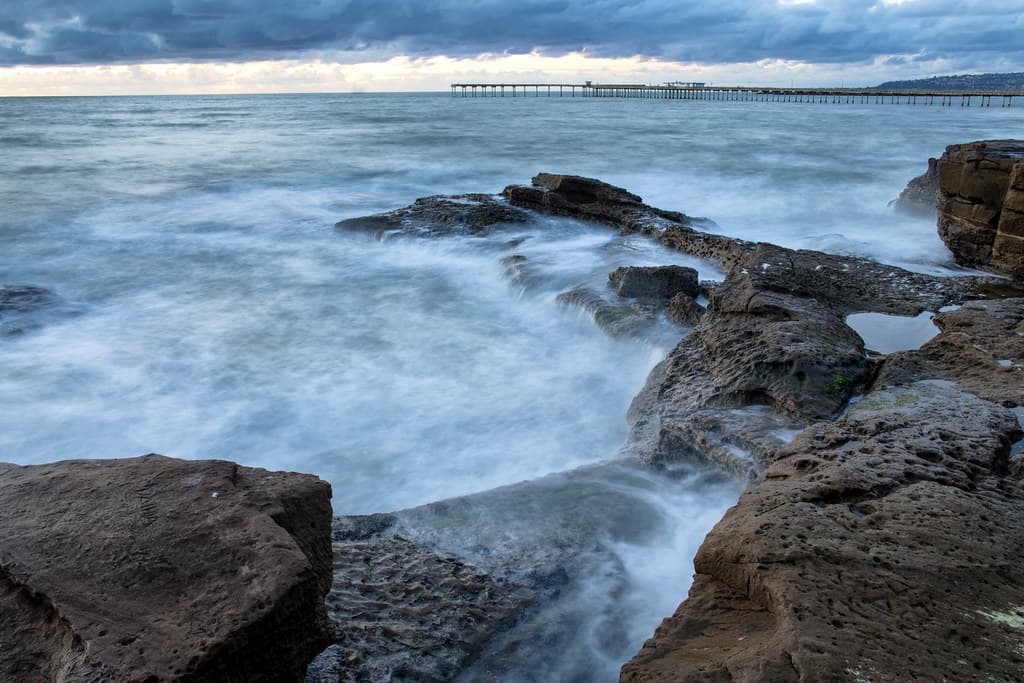
Freshwater Bay curves into the Olympic Peninsula like a secret, its coarse sand and rounded stones hidden from Highway 112 by a curtain of Douglas fir and western hemlock. The beach faces north across the Strait of Juan de Fuca, where container ships slide past on their way to Vancouver and the San Juan Islands rise in hazy silhouette. At low tide, tide pools dimple the rocky shelves, and you can walk the entire crescent from the boat launch to the kelp-draped western point. The water here stays cold year-round—mid-fifties even in August—but that doesn't stop wetsuited kayakers from launching into the protected bay or divers from exploring the rocky drop-offs where lingcod and rockfish congregate. Above the high-tide line, massive driftwood trunks create natural benches and windbreaks, their silver surfaces polished smooth by storms. The beach grass rustles in the near-constant breeze, and the air tastes of brine and wet stone. This is Port Angeles without the ferry crowds, a place where locals walk their dogs before sunrise and photographers wait for the alpenglow to hit Mount Baker across the water. A short trail climbs through Sitka spruce to viewpoints overlooking the strait, and the nearby Salt Creek Recreation Area extends your explorations into tide pool territory and coastal forest. You won't find beachside cafés or rental umbrellas—just the rhythmic percussion of waves sorting stones and the occasional whistle of a passing freighter.
Places, rentals, tours and events within walking and driving distance of Freshwater Bay Beach.
Photos
Freshwater Bay Beach has cold water year-round (typically 45-55°F) and can have strong currents, making swimming challenging even for experienced swimmers. The beach is more popular for tide pooling, kayaking, and scuba diving than swimming. If you do enter the water, wear a wetsuit and stay close to shore. Always check tide tables and weather conditions before visiting. The rocky shoreline can be slippery, so wear appropriate footwear. Supervision of children near the water is essential due to unpredictable waves and currents.
Freshwater Bay Beach is accessible year-round, but summer months (June-September) offer the most pleasant weather with temperatures in the 60s-70s°F and less rain. However, the Pacific Northwest's mild climate makes spring and fall excellent for avoiding crowds while enjoying stunning scenery. Winter visits can be dramatic with storm watching opportunities, though expect rain and wind. For tide pooling, visit during low tides regardless of season. Early morning and sunset provide exceptional photography opportunities with views of the Strait of Juan de Fuca and Vancouver Island on clear days.
Freshwater Bay Beach is located about 10 miles west of downtown Port Angeles along Highway 112. From Port Angeles, take Highway 101 west, turn right onto Freshwater Bay Road, and follow signs to the beach. Free parking is available in a small gravel lot near the beach access, but spaces are limited (approximately 10-15 vehicles). The lot can fill quickly during summer weekends. There's a short trail from the parking area down to the beach. No facilities or fees, and the access is straightforward for most vehicles.
Freshwater Bay Beach itself has no amenities, restrooms, or food vendors. The nearest dining and lodging options are in Port Angeles, about 10 miles east, which offers numerous restaurants, hotels, and grocery stores. A few vacation rentals and small lodges exist along Freshwater Bay Road. For a beach day, bring your own food, water, and supplies, and pack out all trash as there are no garbage facilities. The nearby Salt Creek Recreation Area (about 5 miles west) has picnic tables and restrooms if you need facilities during your visit.
Freshwater Bay Beach features excellent tide pooling opportunities along its rocky shoreline, especially during minus tides. Visitors can observe sea stars, anemones, crabs, sea urchins, and various marine life in natural pools. The diverse intertidal zone benefits from the area's protected status and clean waters. Check local tide tables and plan your visit during low tide for the best experience. Bring waterproof boots with good traction as rocks can be slippery. Remember to observe tide pool etiquette: look but don't touch, and never remove creatures from their habitat.