Counting the waves…
Counting the waves…

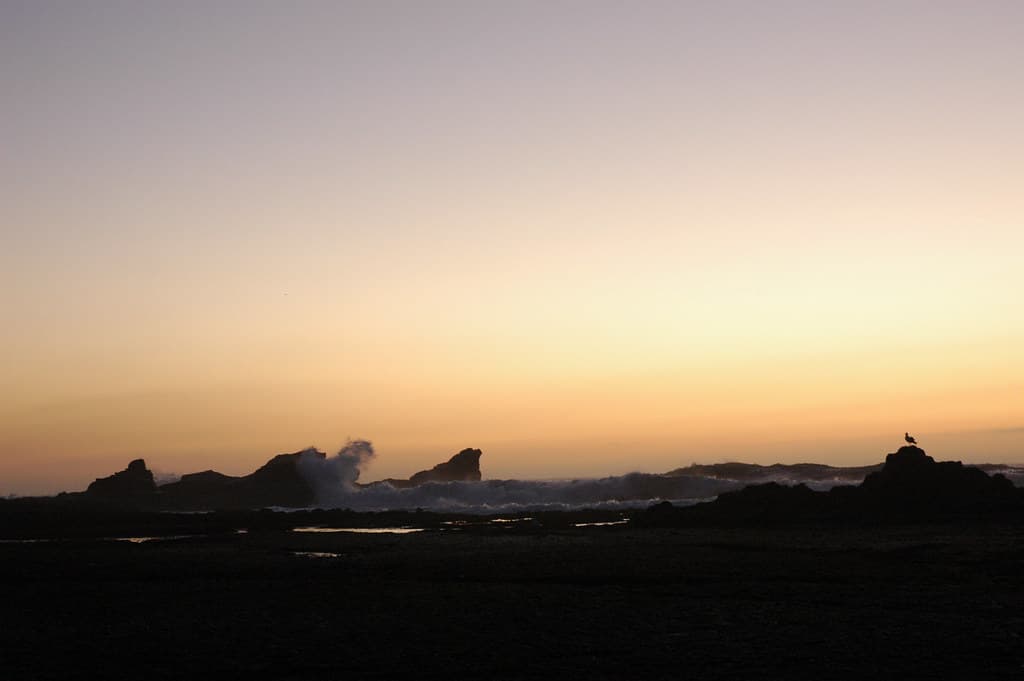
The descent to Pillar Point Beach feels like slipping behind a curtain. Douglas firs lean over the access trail, their needles cushioning your footsteps, before you emerge onto a shoreline composed almost entirely of smooth gray stones ranging from marble-sized to fist-sized. They click and tumble with each wave's retreat—a sound so constant you'll forget it until you leave and notice the silence. Across the Strait, the mountains of Vancouver Island stack up in blue-gray layers, their profiles sharpening or dissolving depending on the marine layer's mood. Driftwood logs, bleached bone-white by salt and sun, form natural benches above the high-tide line, some still trailing root systems thick as your forearm. Bald eagles perch in the shoreline snags, occasionally dropping to snatch at something the tide brought in. You won't find facilities here—no restrooms, no concession stand selling overpriced sodas. What you will find: tidal pools harboring purple sea stars when the water pulls back, the bracing scent of bull kelp drying on stones, and that particular Northwest silence broken only by waves, wind, and the occasional raven. Even on summer weekends, you might share this crescent of shore with only two or three other groups, all quietly doing the same thing you are—watching the water, breathing deeply, remembering what quiet feels like.
Places, rentals, tours and events within walking and driving distance of Pillar Point Beach.
Photos
Swimming at Pillar Point Beach is generally not recommended due to cold water temperatures year-round (typically 45-55°F), strong currents, and unpredictable conditions in the Strait of Juan de Fuca. The beach lacks lifeguards and has limited facilities. Most visitors enjoy the beach for tide pooling, beachcombing, and scenic walks rather than swimming. If you do wade in the water, stay close to shore and be aware of sudden drop-offs and cold-water shock risks.
Pillar Point Beach can be visited year-round, with each season offering different experiences. Summer (June-September) provides the most reliable weather with calmer waters and clearer skies, ideal for tide pooling and photography. Spring and fall offer quieter visits with dramatic skies and storm-watching opportunities. Winter brings powerful waves and beautiful moody scenery, though weather can be unpredictable. Low tide periods are best for exploring tide pools regardless of season. The beach's protected location makes it accessible even during inclement weather.
Pillar Point Beach is located about 15 miles west of downtown Port Angeles on Highway 112. Follow Highway 101 west from Port Angeles, then turn onto Highway 112 toward Neah Bay. The beach access is marked along the highway. Parking is available in a small roadside pullout area near the beach access trail. Space is limited, so arrive early during summer weekends. The short trail from the parking area to the beach is relatively easy but can be steep and slippery when wet.
Pillar Point Beach is in a remote area with limited nearby amenities. The closest services are in Joyce, about 10 miles east, which has a small store and café. Port Angeles, 15 miles away, offers full services including grocery stores, restaurants, and various lodging options from hotels to vacation rentals. For a closer experience, consider staying at Salt Creek Recreation Area campground, approximately 5 miles east, which offers camping facilities. Plan to bring food, water, and supplies with you when visiting the beach.
Pillar Point Beach stands out for its dramatic rock formations, secluded atmosphere, and exceptional tide pools teeming with marine life including sea stars, anemones, and crabs. Unlike the more developed beaches near Port Angeles, this hidden gem offers solitude and pristine natural beauty with stunning views across the Strait of Juan de Fuca toward Vancouver Island. The beach features unique sea stacks and rocky outcroppings that create excellent photography opportunities and shelter diverse intertidal ecosystems, making it particularly popular among nature photographers and tide pool enthusiasts.