
Counting the waves…
Counting the waves…

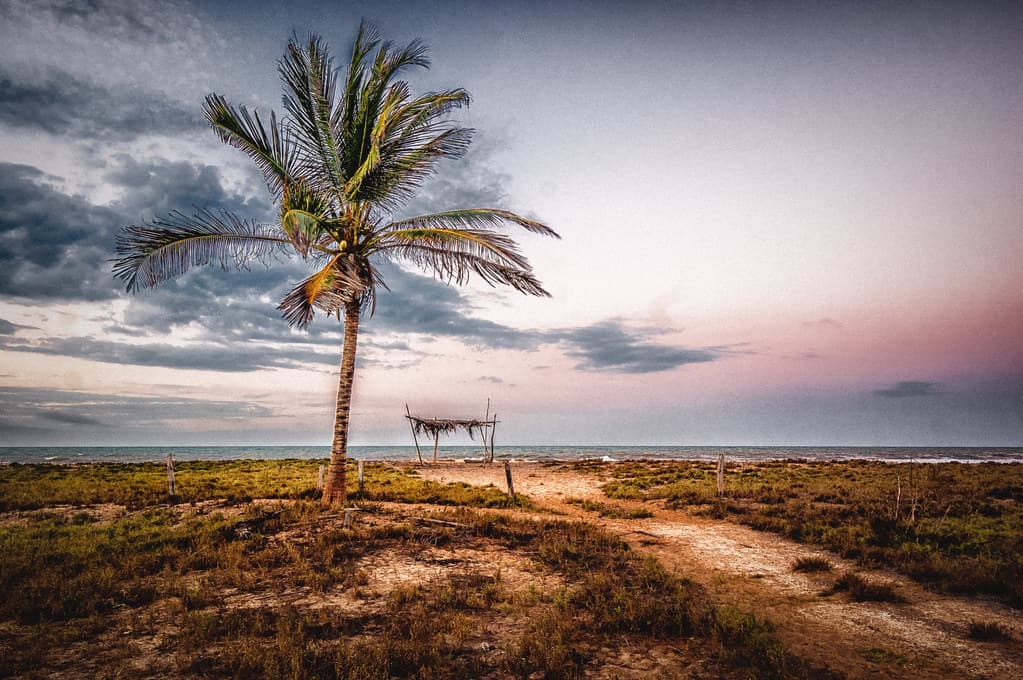
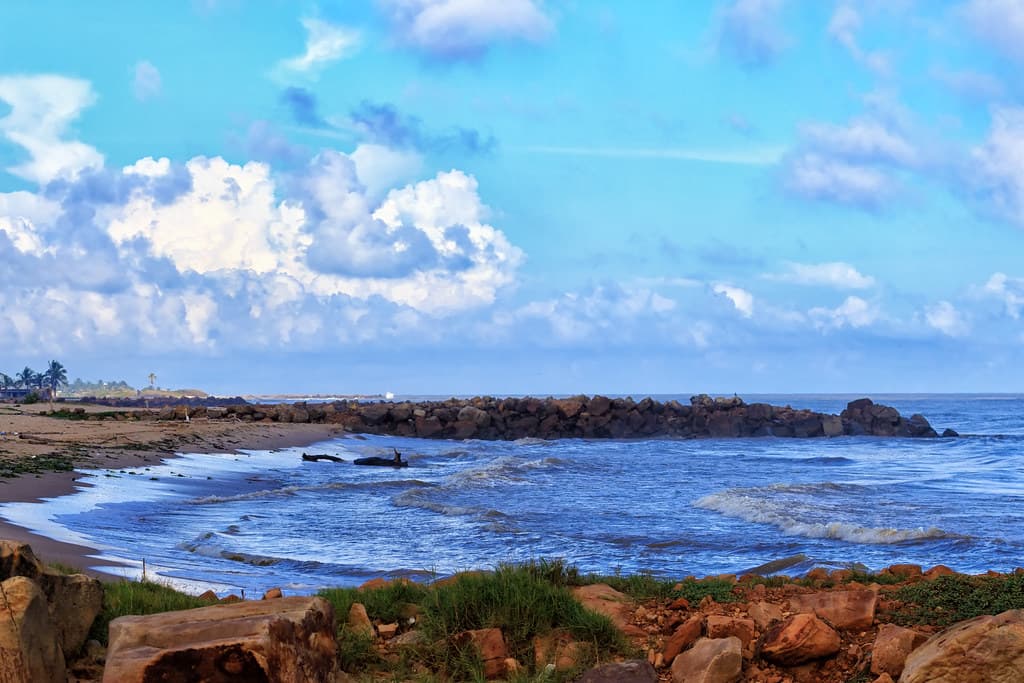
This is transitional coastline, where the urbanization of the west gives way to the emptier reaches extending toward Boca de Uchire. The sand is medium-grain, tan rather than white, compacted enough for walking but soft enough to cushion bare feet. Driftwood accumulates near the high-tide line—bleached branches and entire tree trunks carried down from inland rivers during the rainy season, now sun-dried and salt-scoured. The water approaches in low, consistent waves that break and reform multiple times across a shallow nearshore shelf. Children play in ankle-deep water fifty meters from shore, and you can walk out until the beach behind you shrinks to a thin line without getting deeper than your waist. The bottom is sandy with occasional patches of seagrass, and small fish scatter around your legs with each step. Inland, the landscape is scrubby—scattered palms and dense bushes that provide minimal shade. Most visitors bring their own umbrellas or pop-up shelters, creating temporary settlements that disappear by evening. The lack of vendors and facilities means you'll need to be self-sufficient, but it also means you can walk for twenty minutes in either direction and see perhaps ten other people total. Pelicans patrol the surf line, diving with mechanical regularity, and frigatebirds circle overhead, their scissored tails stark against the sky.
Places, rentals, tours and events within walking and driving distance of Playa Clarines.
Photos
This sandy beach along the transition coast is generally suitable for family swimming, offering a quieter alternative to busier beaches. The low-density development means fewer commercial distractions and a more relaxed atmosphere. However, lifeguard services and formal safety infrastructure are likely minimal, so families must exercise personal vigilance. Check local wave and current conditions before swimming, as coastal conditions vary. The family-friendly tag suggests calmer waters typical of this coastal corridor, but always supervise children. Bring your own safety equipment like flotation devices and first-aid supplies for peace of mind.
The dry season from December through April provides optimal weather with minimal rainfall and consistent sunshine for sunbathing. This hidden beach is ideal for budget travelers year-round since access is free and development is minimal. Weekdays offer the least crowded experience, especially outside Venezuelan school vacation periods. The beach's location along the transition coast means it's accessible most of the year. Mornings and late afternoons provide more comfortable temperatures for families. Avoid peak holiday weekends when even remote beaches experience increased local visitor traffic from nearby cities.
Located in the Clarines municipality along the Píritu and Boca de Uchire transition coast, this beach requires some navigation to reach. From cities like Barcelona or Puerto La Cruz, drive toward the Clarines area, then follow coastal roads toward Píritu or Boca de Uchire direction. Travel time is typically one to two hours from major urban centers. As a low-density, hidden beach, signage may be minimal. A personal vehicle or hired taxi from Clarines town is recommended. Ask locals for specific directions, as GPS data for unnamed coastal sectors can be unreliable.
As a low-density beach sector, expect minimal to no on-site facilities. Bring all food, drinks, and beach essentials from Clarines town or larger cities before heading to the beach. Clarines offers basic Venezuelan restaurants and small shops for supplies. Accommodation directly at the beach is unlikely; most visitors stay in Clarines, Barcelona, or Puerto La Cruz and make day trips. Budget travelers appreciate the lack of commercial development and associated costs. Pack a cooler with refreshments, snacks, and meals. The quiet, undeveloped nature is part of the appeal for those seeking authentic coastal experiences.
This beach represents a useful low-density sector along Venezuela's coastal corridor, offering an escape from developed tourist zones. Its location on the transition coast between Píritu and Boca de Uchire areas provides access to a less-visited stretch of shoreline. The combination of sandy beach, family-friendly conditions, and sun bathing opportunities without crowds appeals to travelers seeking tranquility. The hidden nature means authentic experiences without commercial tourism infrastructure. It serves as a practical alternative for those exploring the Anzoátegui coast who want variety beyond the main beach destinations like Puerto La Cruz.