Counting the waves…
Counting the waves…
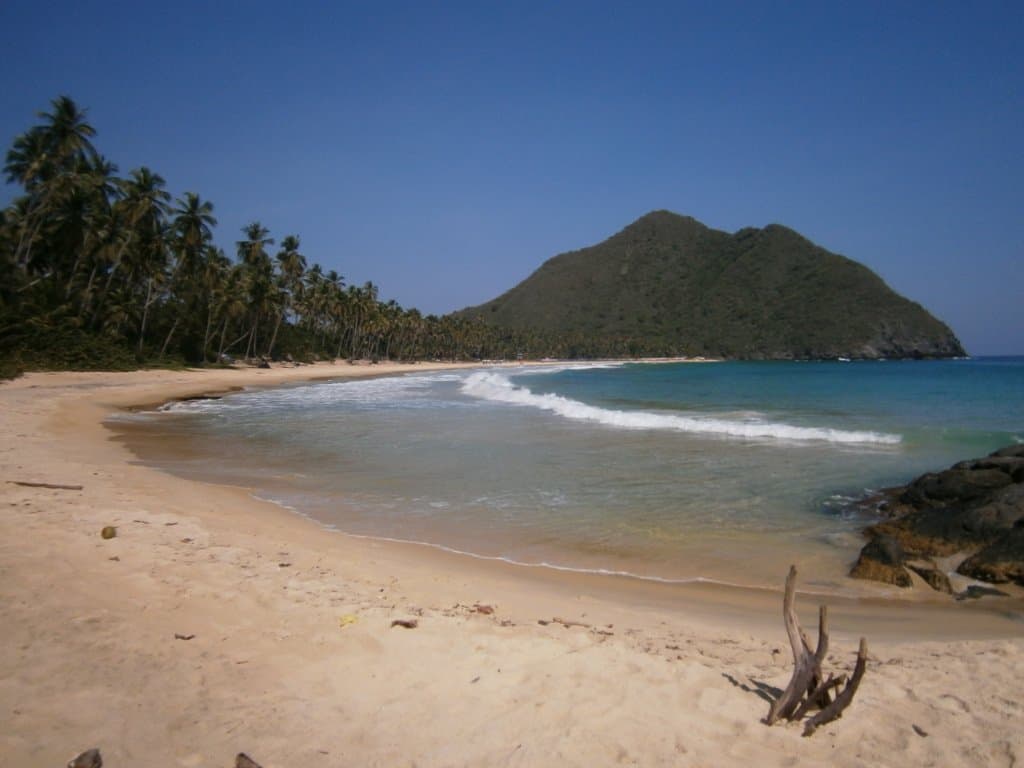
You'll feel the exposure before you see the full sweep: wind hits you unfiltered from the open sea, carrying salt spray that stings lips and coats phone screens within minutes. The point extends maybe forty meters from the mainland, a series of black lava platforms stair-stepping down to where white water detonates against the outermost rocks. Locals have worn a path along the ridge, but your attention stays on your footing—the stone here grows slick with sea moss and scattered barnacle colonies. Photographers camp here during golden hour, tripods wedged into crevices, waiting for waves to backlight in amber. The geometry works: swells approach from the northeast, hit the point's shoulder, then peel in two directions—one wave splitting into twin curls that race down opposite sides of the promontory. Tide pools trapped in the upper platforms hold captive seas, miniature ecosystems where sergeant majors dart between anemones and hermit crabs patrol the perimeters. No one swims here. The currents swirling around the point create standing waves and boils that shift unpredictably, and the closest sand lies two hundred meters back toward Choroní village. But visitors come anyway, drawn by the raw coastal architecture—the way the land ends decisively, the way the horizon stretches uninterrupted, the way storms have sculpted the rock into something between sculpture and warning. Instagram fills with shots taken from this exact longitude, though the photos never quite capture the wind's constant shove or the boom that vibrates through your feet when a set arrives.
Places, rentals, tours and events within walking and driving distance of Playa La Punta de Choroní.
Photos
Playa La Punta de Choroní, being a rocky point-side location, presents different safety considerations than sandy swimming beaches. The rocky terrain and point geography can create stronger currents and unpredictable wave patterns as water wraps around the headland. Swimming is risky and should only be attempted by experienced swimmers during very calm conditions. The rocks can be slippery and sharp, requiring sturdy footwear for safe exploration. With fewer visitors at this hidden spot, assistance may not be readily available. The beach is better suited for scenic viewing, photography, and careful coastal exploration rather than traditional swimming and water activities.
The ideal time to visit Playa La Punta de Choroní is during the best weather months, typically the dry season from December to April, when conditions are safest for exploring rocky coastal areas. The beach attracts fewer crowds year-round due to its hidden nature and rocky terrain, making any time relatively peaceful. Weekdays offer the most solitude for capturing Instagrammable photos without other visitors. Golden hour—early morning or late afternoon—provides the best lighting for photography of the dramatic rocky landscapes. Lower tides make shoreline exploration safer and more accessible. Budget-conscious travelers can visit during shoulder seasons while still enjoying pleasant weather and excellent photo opportunities.
Playa La Punta de Choroní is located at a coastal point near Choroní town in Aragua state. From Caracas, travel through Henri Pittier National Park to reach Choroní, approximately 3-4 hours by road. Once in Choroní, this point-side area requires local navigation as it's easily missed when visitors focus only on the main Playa Grande beach. Ask locals for directions to the punta (point) or rocky coastal section near Choroní. Walking from the main beach areas may involve coastal paths or some light scrambling over rocks. Because it's often generalized under larger beach names, specific inquiry helps locate this hidden gem worth discovering.
Playa La Punta de Choroní itself offers no facilities due to its rocky, hidden nature, but nearby Choroní village provides various budget-friendly accommodation options. Traditional posadas, small guesthouses, and rooms in local homes offer affordable lodging within walking distance. Choroní has restaurants and beachfront food stands serving fresh seafood, Venezuelan traditional dishes, and tropical refreshments at reasonable prices. Since the point area lacks services, visitors should bring water, snacks, and any needed supplies. Small shops in Choroní provide basics for preparing beach picnics. The colonial village atmosphere adds cultural value to budget beach stays, offering authentic local experiences alongside coastal exploration.
Playa La Punta de Choroní offers a distinct experience from the sandy Playa Grande, with dramatic rocky point formations perfect for scenic photography and Instagram content. The elevated or jutting headland provides unique coastal perspectives and panoramic views impossible from flat beaches. It remains largely undiscovered by casual visitors who stay on the main beach, making it ideal for travelers seeking hidden, uncrowded locations. The geological features create compelling visual interest and foreground elements for landscape photography. For those interested in coastal diversity and off-the-beaten-path exploration, this point-side sector showcases a different facet of Venezuela's Aragua coast, rewarding adventurous travelers with authentic, peaceful coastal encounters and distinctive photo opportunities.