
Counting the waves…
Counting the waves…

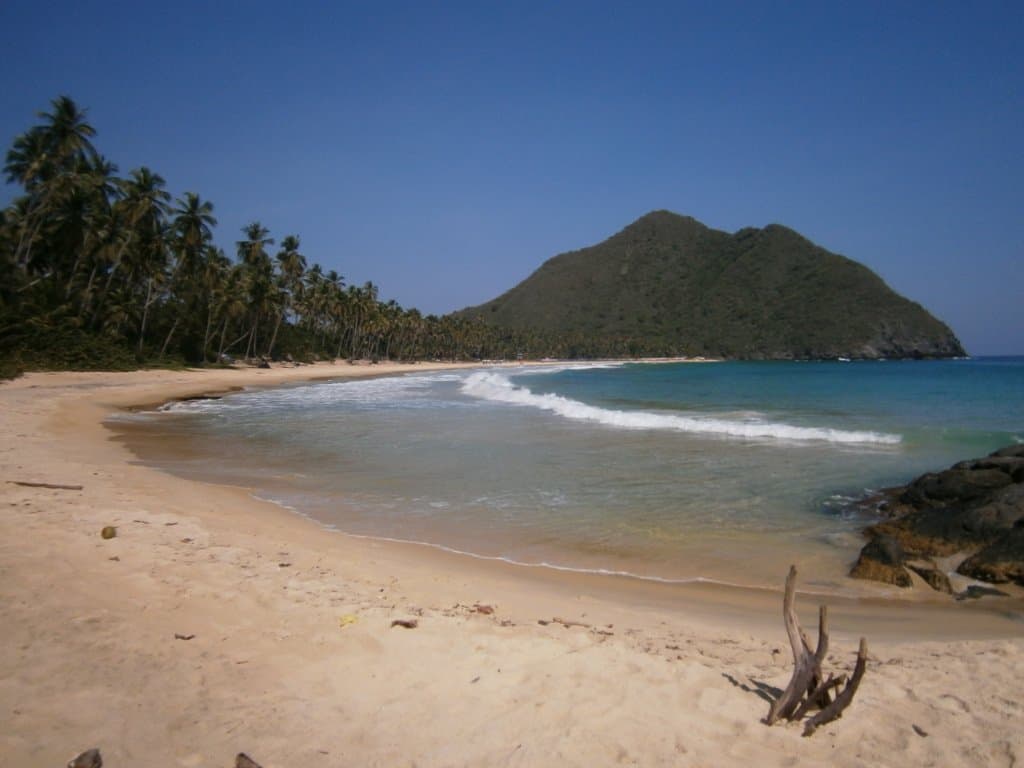
This cove hides in plain sight, visible from the main beach but separated by enough physical inconvenience that most visitors never bother. You follow a faint trail that skirts a hillside, ducking under low branches, testing your footing on rocks polished smooth by years of occasional rain. Then the trees open and you're looking down at a crescent of sand barely fifty feet wide, hemmed in by boulders draped with vines. The water here is absurdly clear—you can count rocks on the bottom in twelve feet of depth—and the cove's shape tames the swells into something gentler. You drop your bag against a piece of driftwood and wade in, feeling the temperature gradient where sun-warmed surface water gives way to cooler currents from deeper offshore. Small fish dart between rocks, unconcerned. A line of hermit crabs patrols the tide line, their procession comically purposeful. You'll likely share this space with only one or two other groups, couples mostly, who've made the same calculation about effort versus reward. There's no vendors, no music, no facilities—just sand, water, and the rhythmic slosh of waves against stone. By the time you climb back up to the main path, legs shaking slightly from the ascent, you'll feel like you've stolen something valuable that nobody was guarding carefully enough.
Places, rentals, tours and events within walking and driving distance of Playa El Diario de Choroní.
Photos
Information about current conditions at this specific beach is limited, as it appears to be a small cove that may have merged with neighboring Playa Grande. If visiting this area, exercise standard ocean safety precautions: check local conditions, avoid swimming alone, and be mindful of currents. The Choroní coast generally features calmer waters, but conditions vary. Ask local guides or hotel staff about the safest swimming spots in the immediate area before entering the water.
This beach is recommended for less crowded periods and budget travel, suggesting visiting during weekdays or outside peak Venezuelan holiday seasons. The Aragua coast enjoys warm weather year-round, with drier conditions typically from December through April. For the most secluded experience, consider visiting during shoulder months like May or November when tourism is lighter. Early mornings and late afternoons offer the most peaceful atmosphere for couples seeking a romantic, scenic escape.
Access to this beach follows the same route as other Choroní beaches. From Maracay, take the winding mountain road through Henri Pittier National Park to the coast, approximately a two-hour drive. Once in Puerto Colombia, this small cove would be accessible by foot or boat from the main beach areas. Given its hidden nature and possible integration with Playa Grande, ask locals in Puerto Colombia for specific directions to ensure you find the exact spot you're looking for.
While this specific beach may not have dedicated facilities, the nearby town of Puerto Colombia offers various budget-friendly accommodations, including guesthouses, posadas, and small hotels. Local restaurants serve fresh seafood and traditional Venezuelan cuisine. For the most options, stay in Puerto Colombia or Choroní village, both within walking distance or a short boat ride. Small beachside vendors often sell snacks, fresh coconuts, and cold drinks along the main beaches during peak hours.
This beach's uniqueness lies in its intimate, hidden character as a small cove, though it may now be part of the larger Playa Grande area. Historically, it offered a more secluded alternative to the busier main beaches, making it ideal for couples seeking privacy and scenic beauty. The cove setting would have provided sheltered waters and a sense of discovery. Its budget-friendly and less-crowded designation makes it appealing for travelers wanting an authentic, low-key beach experience away from tourist concentrations.