Counting the waves…
Counting the waves…

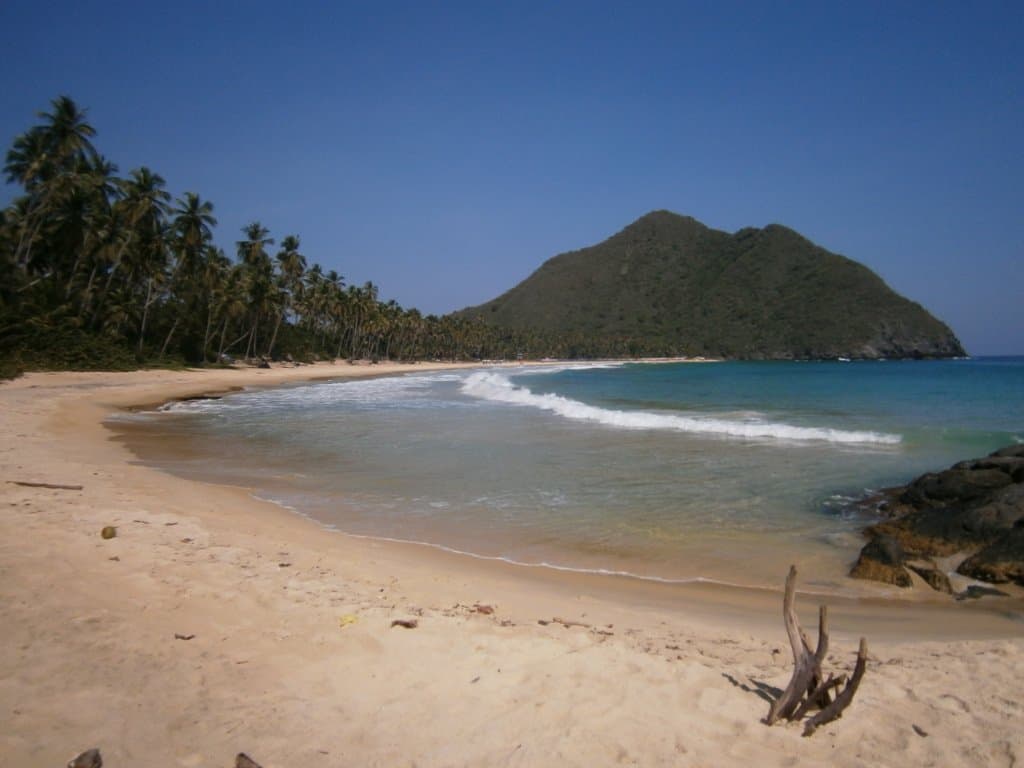
The breakers roll in with a steady rhythm that has anchored this fishing village to the sea for centuries. You step from the colonial square onto warm sand, passing vendors who fan cachapas on griddles and call out prices for coconut water served in the shell. The beach curves wide, its shoreline dotted with painted wooden peñeros bobbing in the surf. By mid-morning, families stake out patches beneath almond trees that drop shade in lace patterns across beach towels. The water here shifts from jade near the sand to cobalt where the continental shelf drops away. You'll wade out over ridges of packed sand, feeling the temperature cool as you pass the break line. Local boys leap from anchored boats, their shouts mixing with the calls of frigatebirds overhead. When the afternoon light turns amber, the fishermen return, hauling nets onto the sand while their wives set up folding tables for the catch. You can buy snapper still twitching, or walk to the malecón where restaurants grill it over driftwood coals. The mountains behind town go purple in the fading light, their cloud forest slopes rising straight from the beach into mist.
Places, rentals, tours and events within walking and driving distance of Playa Grande de Choroní.
Photos
Playa Grande de Choroní is generally considered safe for swimming, with calmer waters than many Caribbean beaches, making it suitable for families. The bay's protected position helps reduce strong currents, though normal ocean caution applies. Swim during daylight hours when lifeguards or other beachgoers are present. Avoid swimming immediately after heavy rains when rivers may discharge into the ocean. The sandy bottom and gradual depth make it accessible for various skill levels, but always supervise children and respect local warnings about conditions.
Playa Grande can be visited year-round, with consistently warm temperatures and beautiful scenery. The dry season from December through April offers the most reliable sunshine and calm seas, though this is also peak tourist season. For better weather with fewer crowds, consider late April through June. Weekdays are quieter than weekends when Venezuelan families visit from nearby cities. The beach maintains its appeal throughout the year, with lush mountain backdrops from Henri Pittier National Park providing stunning views regardless of season.
From Maracay, drive approximately two hours through Henri Pittier National Park on a scenic but winding mountain road to reach Puerto Colombia. The beach is about a 10-minute walk from the town center. Public buses and por puestos (shared taxis) run from Maracay to Choroní and Puerto Colombia. From Caracas, the journey takes about three to four hours. Once in Puerto Colombia, follow signs or ask locals for directions to Playa Grande, the area's most prominent beach and impossible to miss.
Playa Grande is well-served by numerous beachfront restaurants and kiosks offering fresh seafood, fried fish, patacones, and cold drinks. Puerto Colombia village, just minutes away, has a range of accommodations from budget posadas to mid-range hotels and guesthouses. Many offer sea views and breakfast. Beachside vendors sell snacks, coconuts, and refreshments throughout the day. For dinner, explore Puerto Colombia's restaurants serving traditional Venezuelan and coastal cuisine. Book accommodations in advance during peak seasons and major holidays to ensure availability.
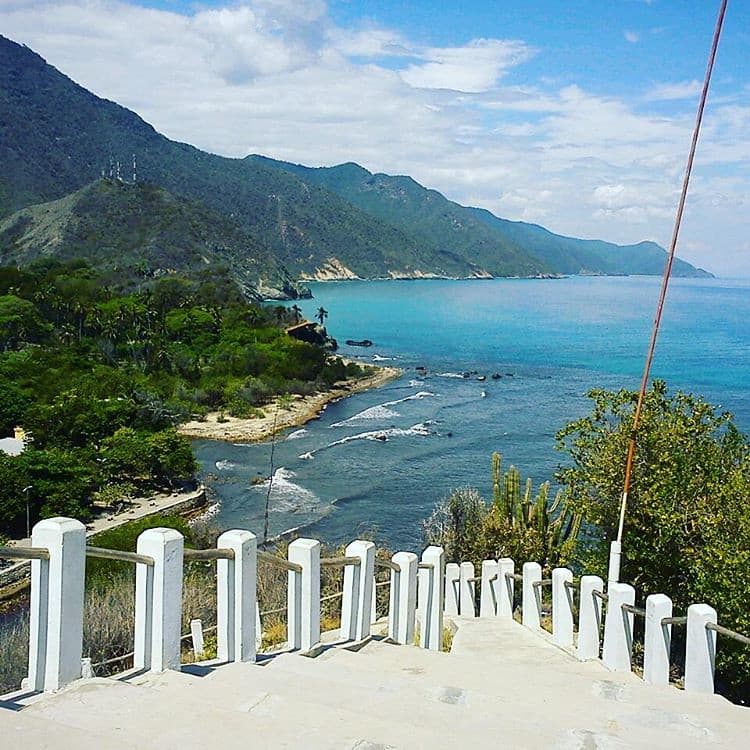
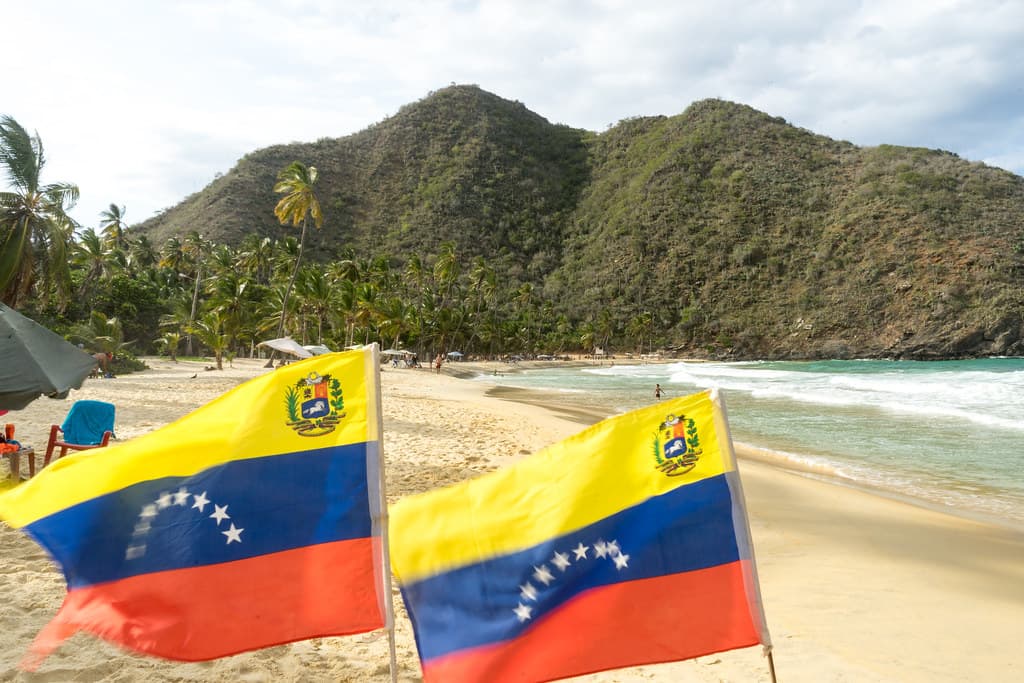
Playa Grande is the flagship beach of the Choroní region, combining natural beauty with excellent facilities and atmosphere. Its dramatic backdrop of jungle-covered mountains from Henri Pittier National Park creates stunning scenery. The beach offers the perfect blend of amenities and natural charm, with golden sand, palm trees, and a vibrant local culture. It's the social hub of the area with music, beach bars, and a lively weekend atmosphere while maintaining family-friendly vibes. The combination of accessibility, scenery, and infrastructure makes it the essential Choroní beach experience.