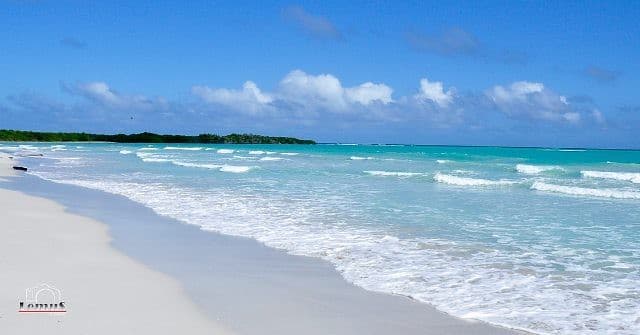
Counting the waves…
Counting the waves…
The river mouth constantly rewrites itself—sandbars shift with each season's floods, channels migrate, and the beach you visit in January may be wider or narrower come June. You plant your umbrella where the river current carves a shallow channel through the sand, warm freshwater on one side, cooler gulf water on the other. Kids splash in the brackish mixing zone, chasing minnows trapped in temporary pools. This is a working beach. Before sunrise, fishermen drag seines through the shallows, and by mid-morning their catches are iced in plastic bins under makeshift tarps. The air smells of salt, river mud, and occasionally the diesel from outboards heading to the offshore cays. By noon, the local families claim their usual spots, setting up elaborate camps with tents, grills, and enough food to feed extended relatives who arrive in waves throughout the afternoon. Sunset here is a layered affair—the sun drops behind the mangrove islands that dot the horizon, turning the river mouth molten orange while the gulf stays steely blue. The boundary between ecosystems blurs as the light fades. You'll hear reggaeton from someone's speaker, smell grilling fish, and feel the sand still holding the day's heat beneath your towel. It's not isolated, but it's authentic—a beach that serves the people who live here first, visitors second.
Places, rentals, tours and events within walking and driving distance of Playa Boca de Tocuyo.
Photos
Swimming conditions at Playa Boca de Tocuyo require extra caution due to its location at a river mouth transitional zone. The mixing of river currents with Gulf waters can create unpredictable conditions, with currents potentially stronger than at typical beaches. Water clarity may vary depending on river flow and recent rainfall. This beach is better suited for wading and enjoying the shoreline rather than extended swimming, especially for inexperienced swimmers. Always observe water conditions carefully before entering and keep children under close supervision near the water's edge.
The optimal visiting period is during Venezuela's dry season from December to April, when river levels are lower and water clarity improves. This beach is particularly recommended for budget travelers and those seeking fewer crowds, so weekdays during non-holiday periods offer the best experience. The sunset tag suggests late afternoon visits are especially rewarding. Since it's located in a transitional wetland environment, visiting during drier months provides better access and more stable conditions. Early mornings and late afternoons offer cooler temperatures and excellent light for photography.
Playa Boca de Tocuyo is located near Tucacas in Falcón state, positioned at the southern transition where river and lagoon systems meet the coast. Tucacas is accessible by road from major cities like Valencia and Maracay. From Tucacas town, you'll need local transportation such as taxis or arranged tours to reach this more remote beach area, as it's situated away from the main tourist zones. The journey may involve traveling along coastal or rural roads. Given its location near wetland systems, confirm access conditions and directions with locals before setting out.
As a hidden beach in a transitional wetland area, Playa Boca de Tocuyo has minimal direct beachfront services. Your best option is staying in Tucacas town, which offers various budget-friendly hotels, posadas, and guesthouses. Tucacas has restaurants serving fresh seafood, arepas, and Venezuelan staples. Plan to bring food and drinks to the beach, as vendors are unlikely at this remote location. The nearby town of Chichiriviche also provides accommodation alternatives. Budget travelers will find reasonable options in both towns, with basic amenities suitable for exploring the surrounding coastal areas.
Playa Boca de Tocuyo stands out as a key ecological transition zone where river, lagoon, and Gulf systems converge. This unique position creates a distinctive landscape different from typical ocean beaches, with wetland ecosystems nearby supporting diverse birdlife and mangrove environments. The beach serves as a natural meeting point between freshwater and saltwater habitats, making it particularly interesting for nature enthusiasts. Its hidden, less-developed character appeals to travelers seeking authentic, uncommercialized coastal experiences. The sunset views, framed by the transitional landscape, offer photography opportunities distinct from standard beach destinations.