
Counting the waves…
Counting the waves…
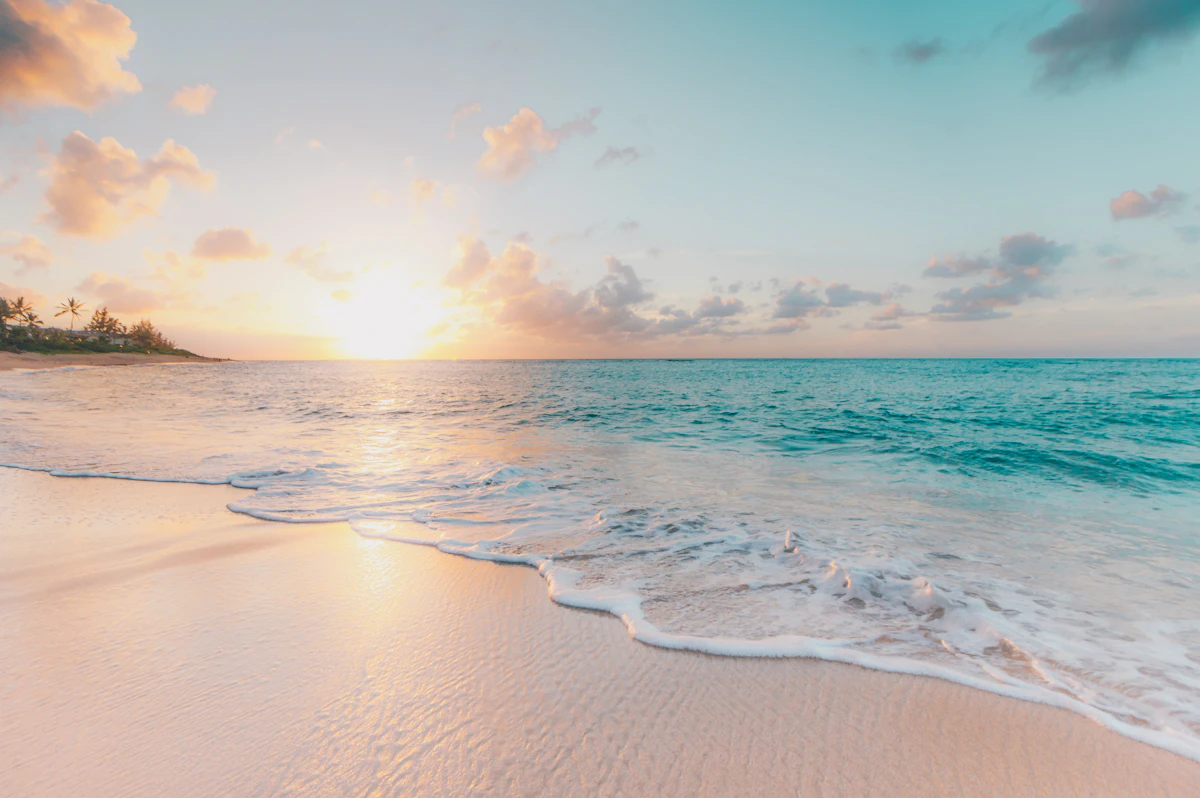
You'll smell the estuary before you see it—a brackish perfume of decomposing leaves and salt spray. The Cúpira River slouches toward the Caribbean here, its final meanders flanked by red mangrove roots that jut from the water like arthritic fingers. Where the current slackens, sandbars shift with every tide, creating temporary islands that vanish by afternoon. The beach itself runs narrow and wind-scrubbed, the sand gritty with river sediment and shell fragments worn to the size of lentils. Fishing pangas rest on their sides above the tide line, their hulls patched with squares of mismatched fiberglass. Local fishermen mend nets in the shade of almond trees, their hands moving with the rhythm of decades. The water offshore churns in shades of amber and jade where river tannins meet Caribbean blue. Sunset here isn't gentle—it's a performance of bruised purples and copper, the sky reflected in tidal pools left behind by the retreating river mouth. Frigatebirds hang motionless overhead, waiting. This is a beach defined by transitions: river to ocean, mangrove to open coast, day to the kind of dusk that makes you forget what month it is.
Places, rentals, tours and events within walking and driving distance of Playa Boca de Cúpira.
Photos
Swimming at river-mouth beaches like Boca de Cúpira requires caution due to the interaction between river currents and ocean tides. Conditions can be unpredictable, particularly after rainfall when river flow increases. The safest swimming typically occurs during calm weather, low river flow, and favorable tides. Always observe water conditions before entering and ask local residents or fishermen about current safety. Avoid swimming alone and be mindful of boat traffic common at river mouths. The mixing waters can create interesting conditions but also require more awareness than typical ocean beaches. Secure belongings as with any beach visit.
For fewer crowds and budget-friendly travel, visit Playa Boca de Cúpira on weekdays outside Venezuelan holiday periods. The dry season from December to April provides the most reliable weather with less rain and clearer skies. The beach is noted for scenic sunsets, making late afternoon visits particularly rewarding for photography and relaxation. Early mornings offer calmer conditions and good light for appreciating the river-mouth landscape. The hidden nature of this beach means it's generally less crowded than popular tourist spots. Consider timing your visit when river levels are moderate for the most interesting water dynamics.
Playa Boca de Cúpira is located in Cúpira, eastern Miranda state, near the Anzoátegui border zone. From Caracas, drive approximately 110-130 kilometers east via the Barlovento highway, continuing past Higuerote toward Cúpira town. The journey typically takes 2-3 hours depending on conditions. Once in Cúpira, navigate toward the river mouth (boca), which may require local directions. Public por puestos run from Caracas toward Cúpira, though reaching the specific river-mouth area might require additional local transport or walking. Road conditions vary seasonally, so verify current status before traveling, especially during wet season.
As a river-mouth location, Playa Boca de Cúpira likely has limited on-site facilities. Cúpira town offers basic local restaurants, comedores, and food stalls serving Venezuelan coastal cuisine and fresh seafood. Accommodation options include simple posadas and guesthouses with basic amenities, or rooms in local homes. Availability and services increase on weekends when more visitors arrive. For more developed infrastructure, consider basing yourself in Higuerote or other larger Barlovento towns and making day trips. Always carry sufficient cash as banking services and card payment options are limited throughout this coastal region.
Playa Boca de Cúpira is described as essential for Cúpira coverage, indicating its geographic and local importance as the primary river-mouth beach serving the community. River mouths create unique ecological zones where freshwater meets saltwater, supporting diverse wildlife and offering distinct scenery from regular ocean beaches. The combination of river, ocean, and sunset views provides scenic value particularly appreciated by photographers and nature observers. For comprehensive understanding of the Cúpira coastal area, this river-mouth sector is geographically significant. Its hidden, less-developed character offers authentic experiences of local coastal life in eastern Miranda state's transition zone.