
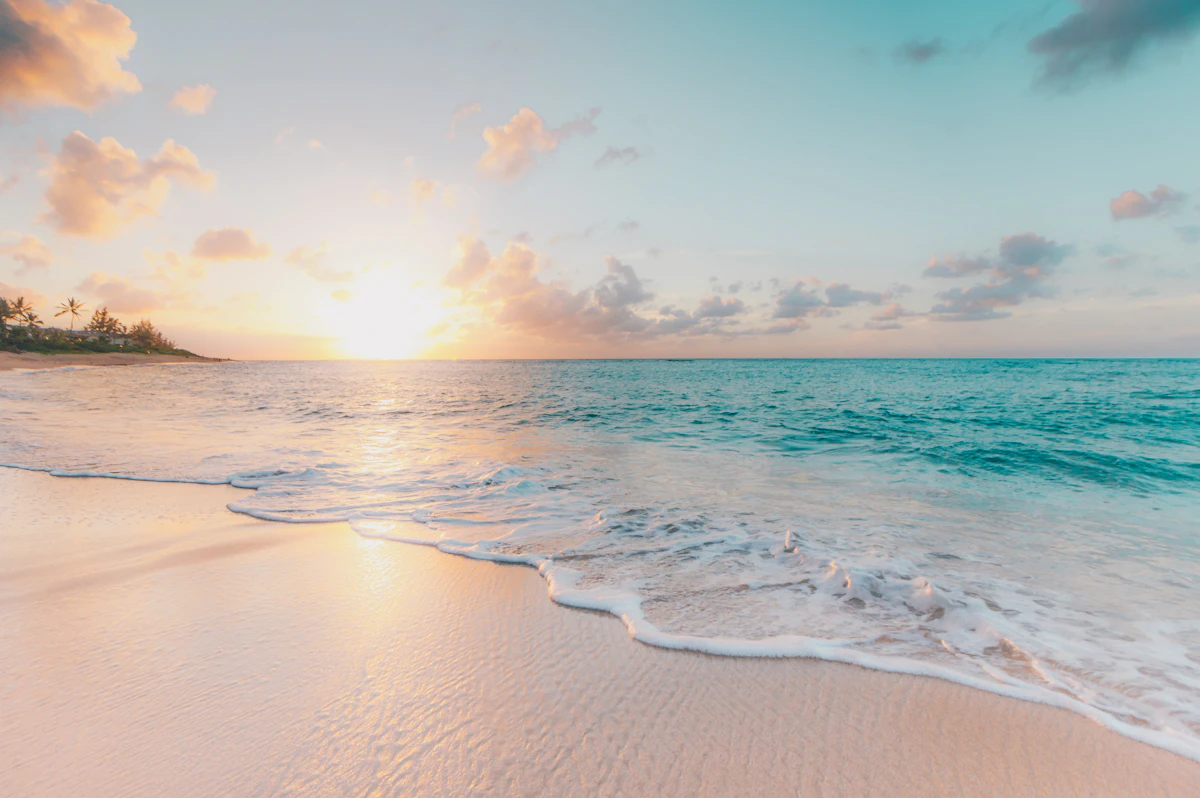
Counting the waves…
Counting the waves…
You step off the weathered dock and immediately smell it: brackish water, decomposing leaves, the faint sulfur of tidal mud. El Manglar de Cúpira isn't selling sun-lounger fantasies. The "shore" here shifts with every tide, exposing gnarled pneumatophores—breathing roots that spike upward like miniature stalagmites—and channels that run copper-dark beneath overhanging branches. Birdlife owns this place. Herons stalk the shallows at dawn, their movements deliberate as surgeons. By late afternoon, flocks of scarlet ibis return from feeding grounds, their crimson plumage startling against the green canopy. You'll hear the rustle before you see them, then sudden bursts of color as they settle into roosts. Local fishermen paddle dugout canoes through the narrow channels, checking crab traps woven from stripped mangrove bark. Timing matters. Visit during falling tide and you'll navigate a maze of exposed roots and shallow pools where juvenile fish dart in frantic schools. The sunset here doesn't hit open water—it filters through leaves and branches, casting the entire wetland in amber. Your shoes will get muddy. Your clothes will smell like estuary. You won't care.
Places, rentals, tours and events within walking and driving distance of Playa El Manglar de Cúpira.
Photos
Swimming at mangrove-fringe shorelines like Playa El Manglar de Cúpira differs from typical beach swimming. Waters are often shallow, murky, and filled with roots and vegetation. Mangrove areas serve as important ecosystems rather than swimming destinations. The bottom may be muddy or uneven, and marine life like small fish and crabs inhabit the roots. While wading is possible, this beach is better suited for kayaking, wildlife observation, and photography. If swimming is your priority, nearby sandy beaches offer better conditions.
The best weather for visiting Playa El Manglar de Cúpira occurs during Venezuela's dry season, December through April, when rainfall is minimal and mosquito populations are lower. Fewer crowds are typical year-round at this hidden mangrove beach. Early morning visits offer excellent birdwatching opportunities as wildlife is most active. Late afternoon provides beautiful sunset lighting filtering through the mangroves. Consider tidal schedules if planning to kayak or explore, as low tide exposes more mangrove roots while high tide allows better water access.
Located near Cúpira in Miranda state, Playa El Manglar de Cúpira requires private transportation from Caracas, approximately 100-120 kilometers to the east. The mangrove area may not be easily accessible by standard roads; water access via kayak or small boat might be necessary or preferable. Contact local guides in Cúpira who know the mangrove systems and can provide safe access. Since this area is categorized as wetland rather than a traditional beach, detailed local knowledge is essential for navigation and access.
Playa El Manglar de Cúpira, being a mangrove-fringe shoreline rather than a developed beach, has no on-site facilities, restrooms, or services. The town of Cúpira offers basic accommodations and local restaurants within a reasonable distance. For mangrove exploration, bring insect repellent, sun protection, water, and snacks. Consider arranging eco-tours with local guides who can provide equipment and knowledge. Budget travelers will find Cúpira's modest lodging options affordable, though amenities may be basic compared to larger coastal resorts.
Playa El Manglar de Cúpira's distinction lies in its mangrove ecosystem, offering a completely different coastal experience than sandy beaches. Mangroves create nurseries for fish, habitats for birds, and natural coastal protection. The interplay of saltwater and freshwater creates unique biodiversity. Visitors can observe crabs, herons, egrets, and other wildlife among the distinctive root systems. The scenic beauty differs from typical beaches, with tangled roots, reflective channels, and sunset views through vegetation. This wetland environment appeals to nature photographers, birdwatchers, and eco-tourists.