Counting the waves…
Counting the waves…
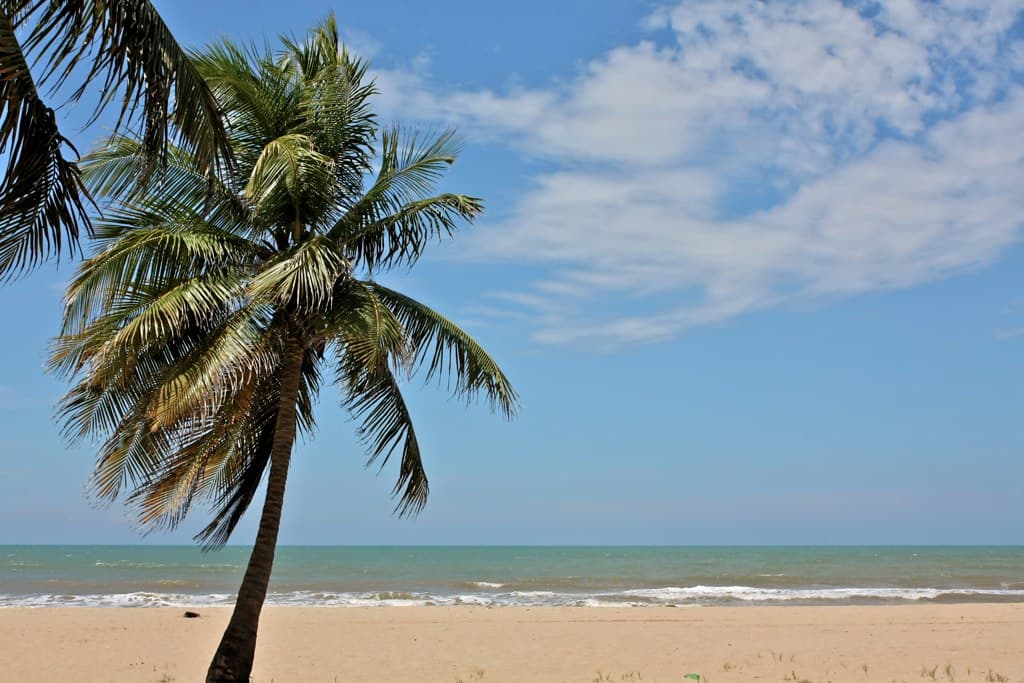
The beach here refuses to waste space. Sand stretches in a tight corridor between two bodies of water, so narrow in places that you can hear waves breaking on the Caribbean side while watching egrets stalk the lagoon shallows behind you. You feel the geography viscerally—the thinness of this natural barrier, the precariousness of its position, the understanding that storms have breached it before and will again. Walking this strand, you move through gradients of light and sound. The ocean side catches the full force of afternoon sun, its sand hot enough to make you hop toward the water. The lagoon side offers gentler illumination, filtered through moisture and marsh gas, its shore often muddy where sand gives way to mangrove roots. Between these zones, the beach itself is a study in contrasts: wave-sorted shells on the ocean face, quiet accumulations of driftwood on the lagoon side, sea grape shrubs clinging to the highest ground. Sunset transforms this narrow world. The sun drops into the lagoon, turning its surface into hammered brass, while behind you the Caribbean continues its rhythmic assault, indifferent to the changing light. You stand in the slim space between, aware that this beach exists in a state of constant negotiation between opposing forces. It's this tension—visible, audible, palpable—that makes La Restinga compelling. You're not lounging in a stable landscape; you're witnessing geography in active conversation with itself.
Places, rentals, tours and events within walking and driving distance of Playa La Restinga de Tacarigua.
Photos
Swimming conditions at this narrow barrier beach can be challenging due to its exposed position between the Caribbean Sea and Laguna de Tacarigua. Ocean-side currents can be strong, and wave action varies with weather conditions. The beach's natural, undeveloped character means limited lifeguard presence or safety infrastructure. Swimmers should exercise caution, stay close to shore, and avoid swimming during rough seas or strong winds. The lagoon side typically offers calmer waters if available for access.
The beach is ideal during Venezuela's dry season, typically December through April, when you'll encounter fewer crowds and more budget-friendly options. Weekdays offer the most solitude at this hidden gem. Early mornings and late afternoons provide the best light for photography and comfortable temperatures. The sunset views across the barrier island are particularly spectacular. Avoid visiting during the rainy season when access roads may become difficult and mosquito populations increase near the lagoon.
Access to this beach typically requires traveling to Tacarigua de la Laguna village in Miranda state, located along the central Venezuelan coast east of Caracas. From Higuerote or the coastal highway, follow local roads toward the lagoon. The barrier beach may require boat access or walking along sandy paths from the village. Road conditions can vary, and a local guide or transportation service is often helpful. Public transportation to the area is limited, so private vehicle or arranged tours are common options.
This hidden beach area offers limited commercial development, reflecting its natural character. Tacarigua de la Laguna village may have small local eateries serving traditional Venezuelan coastal cuisine, including fresh fish. Accommodation options are typically basic, possibly including small guesthouses or family-run posadas. For more extensive services, visitors often stay in nearby Higuerote or other coastal towns. Bringing your own food, water, and supplies is advisable, especially for day trips to this remote barrier beach.
This narrow sand-barrier beach holds exceptional geographic significance as it separates the protected Laguna de Tacarigua National Park from the Caribbean Sea. The beach offers dual ecosystems: open ocean on one side and calm lagoon wetlands on the other. Its position makes it vital for coastal protection and wildlife habitat, particularly for migratory birds and marine species. The scenic, undeveloped landscape provides an authentic experience far from commercialized beach resorts, with spectacular sunset views across the barrier island formation.