Counting the waves…
Counting the waves…
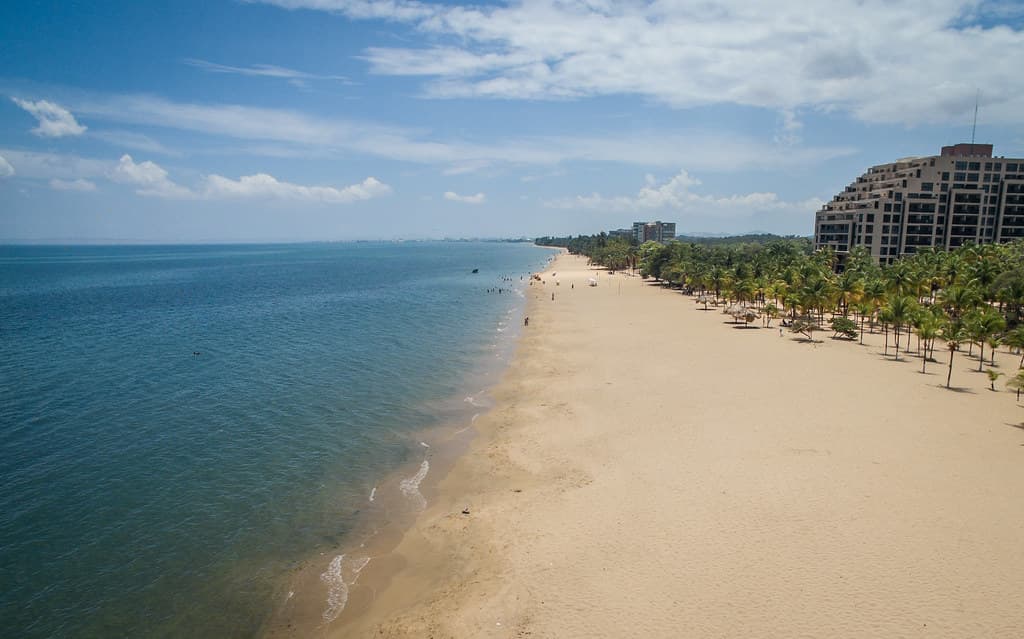
The pavement ends and the rocks begin at Punta Delgada, where Cumaná's developed coast gives way to a tumble of charcoal and rust-colored stone. You navigate the shore on foot, picking routes between boulders the size of compact cars, each one pocked with barnacles and fringed with dried seaweed that crunches underfoot. The Caribbean churns against the point in white-capped surges, sending spray high enough to taste on your lips. By late afternoon, the light turns amber and the rocks glow like embers. Fishermen perch on the outermost stones, lines disappearing into the chop, while you settle onto sun-warmed granite to watch the horizon swallow the sun. The water shifts from cobalt to copper, and the shadows of the boulders stretch long across the uneven shoreline. There's no soft sand to shake from your shoes here, no easy wading. Just the rough honesty of stone meeting sea, the percussive rhythm of waves on rock, and the scent of brine and sun-baked algae. The city's clamor fades to background static, replaced by the ancient conversation between tide and shore.
Places, rentals, tours and events within walking and driving distance of Playa Punta Delgada.
Photos
Rocky beaches like Playa Punta Delgada are generally better suited for exploring, photography, and relaxing rather than extensive swimming. Rocky shores can have uneven footing, sharp surfaces, and variable depths, making water entry challenging. Waves breaking on rocks create additional hazards. The beach may have small sandy pockets or calm pools suitable for careful wading. If you do swim, wear water shoes for foot protection and exercise caution. The scenic nature suggests this beach is valued more for its views and sunset watching than as a swimming destination.
Visit during the dry season (December to April) for the best weather and fewer crowds along this quiet coastal edge. The sunset tag indicates late afternoon as an ideal time, when the western-facing or well-positioned coast offers excellent sunset views. Calmer weather conditions make rocky shorelines safer to explore. Weekdays will be quieter than weekends. Since it sits beyond the main urban beach stretch, you'll find solitude most times. Check tide schedules if available, as lower tides may reveal interesting tide pools and rock formations.
Located beyond Cumaná's main urban beach stretch, Playa Punta Delgada likely requires private transportation such as a rental car or taxi. Ask locals or your accommodation for specific directions, as hidden beaches may lack clear signage. The journey from central Cumaná should be relatively short but may involve coastal roads that vary in condition. GPS coordinates are helpful for finding unmarked coastal points. Consider the approach carefully if visiting for sunset, ensuring you have transport arranged for the return journey after dark.
As a quiet, hidden beach beyond the main urban area, Playa Punta Delgada likely has no dedicated tourist facilities. Accommodation and dining options are concentrated in Cumaná proper, a short distance away. Bring water, snacks, and any supplies you'll need, especially if planning to stay for sunset. The rocky nature and low development mean you should prepare for a wilderness beach experience. Some visitors pack a small picnic to enjoy while watching the sunset in this peaceful, uncommercial setting away from tourist infrastructure.
Playa Punta Delgada stands out for its rocky coastal character and reputation as a sunset viewing spot beyond Cumaná's busier beaches. The quiet coastal edge offers scenic beauty, dramatic rock formations, and a sense of discovery for those willing to venture past the main tourist areas. Its hidden nature ensures solitude and unspoiled views, ideal for photography, contemplation, and experiencing Venezuela's coast in a natural state. The combination of accessible proximity to Cumaná yet feeling remote makes it perfect for sunset romantics and travellers seeking peaceful coastal landscapes.