Counting the waves…
Counting the waves…
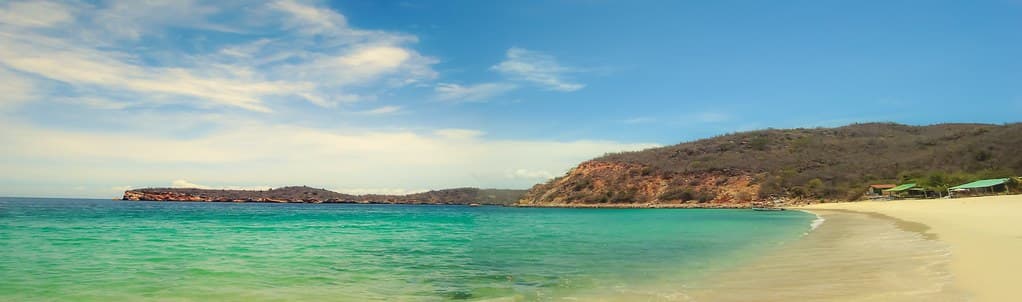
Cayo Medio exists in the margin between land and water, more sandbar than island, its permanence negotiable depending on tide and season. Red mangroves colonize both ends, their prop roots creating architectural tangles where juvenile fish shelter and crabs climb at night. The beach between them runs narrow and brilliant white, shell-littered, traced by the ghostly tracks of ghost crabs that emerge after dark. The surrounding shallows extend in all directions—a submerged plain of sand and turtle grass where the water depth rarely exceeds four feet. Snorkeling here is horizontal rather than vertical, gliding over the grass beds where conchs plow furrows and upside-down jellyfish pulse gently. Trumpetfish hover head-down among the eel grass blades, their camouflage nearly perfect until they dart after glass minnows. Occasional coral heads rise like monuments, crusted with fire coral and surrounded by sergeant majors defending territories the size of dining tables. The cayo's exposure means wind can make anchorage uncomfortable, the boat hobby-horsing in the chop while you're ashore. But on calm days, the shallow water warms to bathtub temperature, the bottom visible in perfect detail beneath the boat. Afternoons bring local boats—families anchor offshore and let kids swim to the beach while adults sit in the shallows with rum and ice. By late afternoon, the sun backlights the mangroves and turns the water opalescent.
Places, rentals, tours and events within walking and driving distance of Playa Cayo Medio.
Photos
Playa Cayo Medio offers excellent conditions for both swimming and snorkeling around its small island setting. The surrounding waters typically feature good visibility and marine life characteristic of the Mochima National Park area. The island's protected position often creates calmer waters suitable for swimmers of various skill levels. Snorkelers can explore the underwater environment around the cayo's perimeter, though you should always be mindful of boat traffic and currents. Bring your own snorkeling equipment as rentals may not be available on-site.
Visit Playa Cayo Medio during weekdays rather than weekends when local tourists are less likely to visit. The dry season from December to April offers the best weather, but for fewer crowds, consider visiting during the shoulder months of November or May. Early morning departures also help you enjoy the island with minimal company before day-trippers arrive. Since this is a hidden, boat-access location, it generally receives fewer visitors than mainland beaches, but timing your visit during off-peak periods enhances the secluded experience.
Reaching Playa Cayo Medio requires hiring a boat from Mochima town or other nearby coastal points in Sucre state. Local boat operators and tour companies offer transportation services, sometimes as part of island-hopping tours that visit multiple cayes and beaches. Prices and departure times vary by operator and season. It's recommended to negotiate rates and schedule pickup times before departing. Some operators offer full-day charters while others run scheduled trips. Always confirm your return transportation to avoid being stranded.
As a small, hidden cayo accessible only by boat, Playa Cayo Medio lacks permanent infrastructure including restaurants, shops, restrooms, or lodging. Visitors must bring all necessary supplies including food, beverages, sun protection, snorkeling gear, and first aid items. There are no waste disposal facilities, so pack out everything you bring to preserve the island's pristine condition. The nearest accommodations and services are in Mochima town. Consider this a true off-the-grid beach experience requiring self-sufficiency and proper planning.
Playa Cayo Medio's charm lies in its small, intimate island setting that offers a true castaway experience within the Mochima National Park. Unlike larger islands with development, this cayo maintains its natural, untouched character. The surrounding waters provide excellent snorkeling opportunities with marine ecosystems typical of the region's protected areas. Its hidden status and boat-access requirement ensure a more exclusive, tranquil atmosphere. The compact size allows visitors to explore the entire island easily while enjoying 360-degree Caribbean views and crystal-clear waters.