
Counting the waves…
Counting the waves…
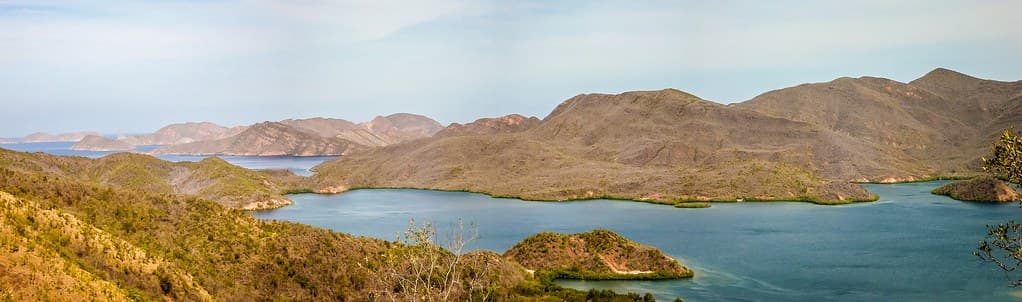
The boat ride from Mochima village takes twenty minutes, long enough to leave behind the hum of motorbikes and street vendors. As you approach Playa Manare, the shoreline curves into view—a crescent of blonde sand bordered by green slopes that tumble straight into the sea. The water here stays calm year-round, sheltered by the landmass that wraps around the bay like cupped hands. You'll notice the absence of undertow immediately when you wade in. The seafloor slopes gradually, revealing patches of tan sand beneath water that shifts from amber near shore to deep turquoise twenty meters out. Families spread blankets under almond trees that fringe the beach, their shade striped with sunlight. By midday, the only sounds are the occasional thud of a falling seed pod and the murmur of waves too gentle to break. Local fishermen sometimes anchor offshore, their wooden boats bobbing as they sort the morning's catch. You can buy fresh pargo snapper directly from their coolers, still cold and firm-fleshed. As afternoon stretches toward evening, the water takes on a bronze tint, reflecting the clay-red soil of the surrounding hills.
Places, rentals, tours and events within walking and driving distance of Playa Manare.
Photos
Playa Manare is known for its calm waters, making it one of the safer beaches in the Mochima area for swimming and families. The offshore-linked location typically means gentler waves and less current compared to open-ocean beaches. However, always supervise children closely and check conditions with local boat operators before swimming. There are no formal lifeguards, so use common sense and stay in shallow areas if you're not a strong swimmer. The sandy bottom is generally comfortable for wading.
Playa Manare can be visited year-round, as Venezuela's Caribbean coast enjoys consistently warm weather. The dry season from December to April offers the most reliable sunshine and calmest seas, ideal for boat trips and swimming. However, the beach remains accessible and pleasant during the wet season (May-November), often with fewer visitors and lower prices. Weekdays tend to be quieter than weekends when locals visit. Early morning arrivals offer the best light for photography and cooler temperatures for sunbathing.
Playa Manare requires boat access, as it's not reachable by road. Most visitors arrange transportation from Puerto La Cruz or the small town of Mochima, where local fishermen and tour operators offer boat services. The journey typically takes 20-45 minutes depending on your departure point and sea conditions. You can hire private boats or join group tours, with prices varying by season and negotiation. Always confirm return pickup times with your boat operator, as there are no facilities to arrange transport from the beach itself.
Playa Manare has limited infrastructure, typical of remote Venezuelan beaches. Some days you may find informal vendors selling drinks, snacks, or simple fresh fish meals, but this isn't guaranteed. It's strongly recommended to bring your own food, water, and snacks for the day. There is no accommodation directly on the beach, so visitors typically stay in Puerto La Cruz or Mochima town and visit as a day trip. Pack out all trash, as waste facilities are minimal or non-existent.
Playa Manare stands out for its particularly calm waters due to its offshore-linked geography, making it ideal for relaxed swimming and family outings rather than adventure activities. Unlike some of the rockier or more dramatic Mochima beaches, Manare offers a classic sandy beach experience with gentle slopes into clear water. The scenic setting combines the peaceful atmosphere of an island beach with accessibility from Sucre state. It's an excellent choice for visitors prioritizing tranquil sunbathing and safe swimming over snorkeling or rugged exploration.