Counting the waves…
Counting the waves…
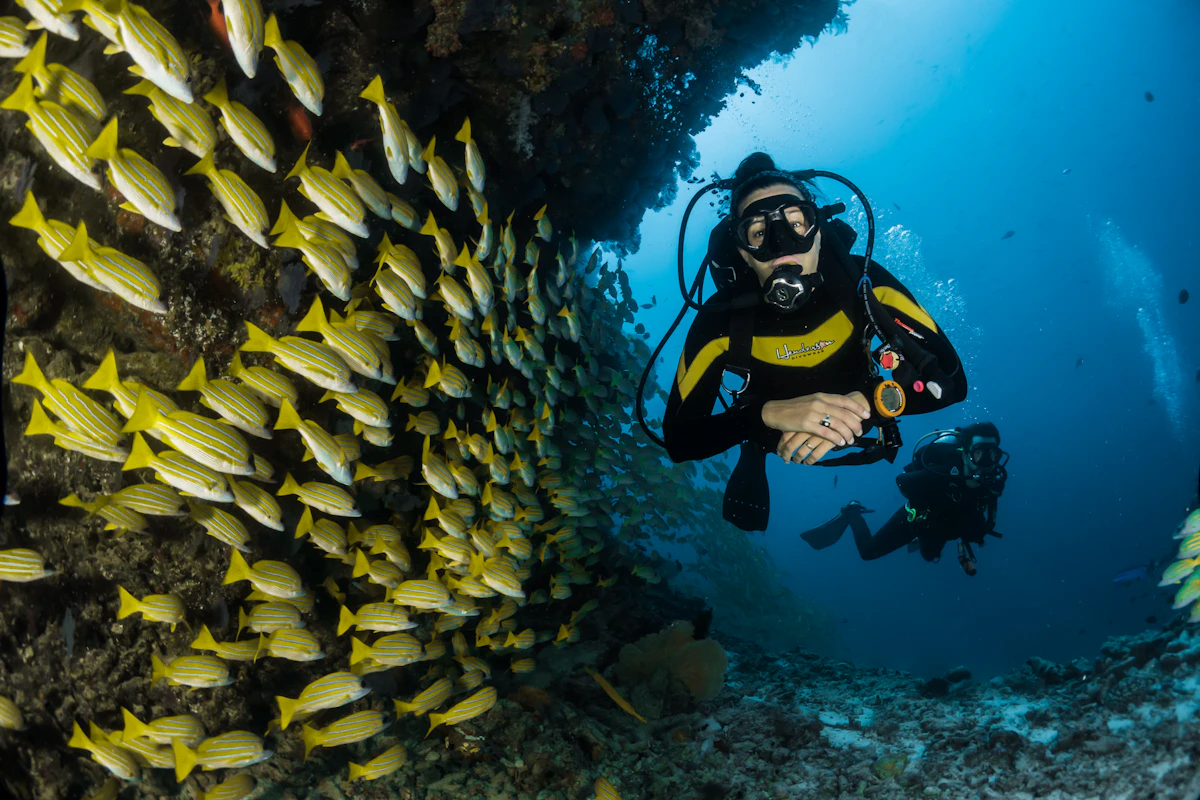
The sand at Puinare squeaks underfoot—a fine quartz powder that stays cool even at midday. You wade into shallows that shift from pale jade near shore to deep cobalt beyond the drop-off, where sergeant majors and parrotfish patrol the reef edge. Motorboats from Puerto La Cruz anchor in a loose crescent; passengers haul coolers ashore and claim patches beneath borrowed umbrellas. Snorkeling here means finning over brain coral the size of beach balls, purple sea fans swaying in the surge, and clouds of silversides that part like theater curtains as you glide through. The reef sits barely twenty meters offshore, shallow enough that you spot movement even from the beach—a ray flapping over sand, the flicker of damselfish defending their turf. By late afternoon the day-trippers motor away and the island exhales. Frigate birds spiral on thermals; hermit crabs emerge to scavenge the tideline. You stretch on sand still radiating the day's heat, the water now glowing apricot under the sinking sun, and understand why Venezuelan families return season after season—not for novelty, but for the certainty of this exact, unchanging beauty.
Places, rentals, tours and events within walking and driving distance of Playa Puinare.
Photos
Playa Puinare's white sand and turquoise water typically indicate excellent swimming conditions with good visibility for snorkeling. Island beaches in Mochima generally offer calmer, clearer water than mainland beaches. However, always assess conditions upon arrival and follow boat operator guidance. Wear water shoes if walking on rocky areas near shore, use reef-safe sunscreen, and never snorkel alone. Watch for boat traffic as this is a popular destination. The beach's family-friendly reputation suggests safe conditions, but always supervise children and check for currents or changing weather. Life jackets are recommended for weaker swimmers.
Plan your visit to Playa Puinare during Venezuela's dry season (December-April) for optimal weather, calmest seas, and best snorkeling visibility. The beach is tagged for less-crowded periods, so weekdays offer more tranquility than weekends when Venezuelan families visit. Early season (December-January) or late season (March-April) may provide the best balance of good weather and fewer crowds. Morning arrivals often mean calmer waters and better light for appreciating the white sand and turquoise water. Being famous, this beach attracts visitors year-round, so timing your visit strategically helps avoid peak crowds.
Playa Puinare requires boat access from Mochima town, Puerto La Cruz, or other mainland departure points. Boats operate as shared water taxis (more economical) or private charters (more flexible). Find operators at waterfronts, through hotels, or book tours in advance online or through travel agencies. Many operators offer multi-beach tours that include Puinare along with other island beaches. Prices vary by season, group size, and whether lunch is included. Departure times typically run from mid-morning with returns in late afternoon. Confirm departure points, costs, and pickup times clearly before committing.
As an island beach, Playa Puinare has limited permanent infrastructure. Some boat operators include meals in tour packages, and informal vendors may sell food and drinks from boats or temporary beach setups, especially on busy weekends. Expect fresh fish, arepas, empanadas, and cold drinks if vendors are present, but availability isn't guaranteed. Bring your own water, snacks, and lunch to be safe. Basic facilities like bathrooms may be rudimentary or absent. Pack all essentials including sun protection, towels, and snorkeling gear. The lack of development helps preserve the beach's natural white-sand beauty.
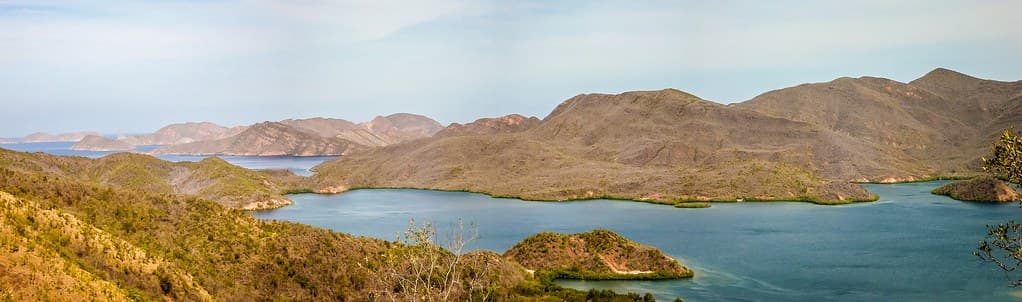
Playa Puinare ranks among Mochima's most famous beaches thanks to its stunning combination of white sand and crystal-clear turquoise water—classic Caribbean-style beauty. The beach offers excellent snorkeling opportunities with good marine life visibility and healthy underwater ecosystems. Its island location creates a pristine, postcard-perfect setting that attracts photographers and beach lovers seeking Venezuela's finest coastal scenery. The white sand is particularly striking compared to the golden or darker sands of mainland beaches. Despite being famous, careful timing allows visitors to experience its clear-water appeal in relative tranquility, making it a must-visit Mochima destination.