Counting the waves…
Counting the waves…
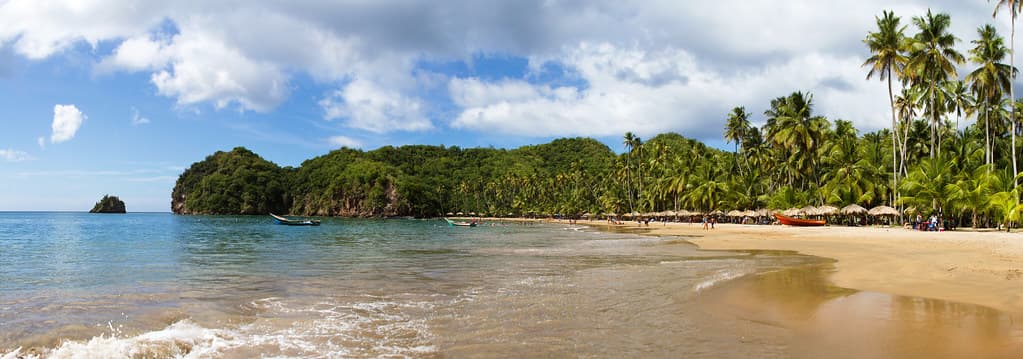
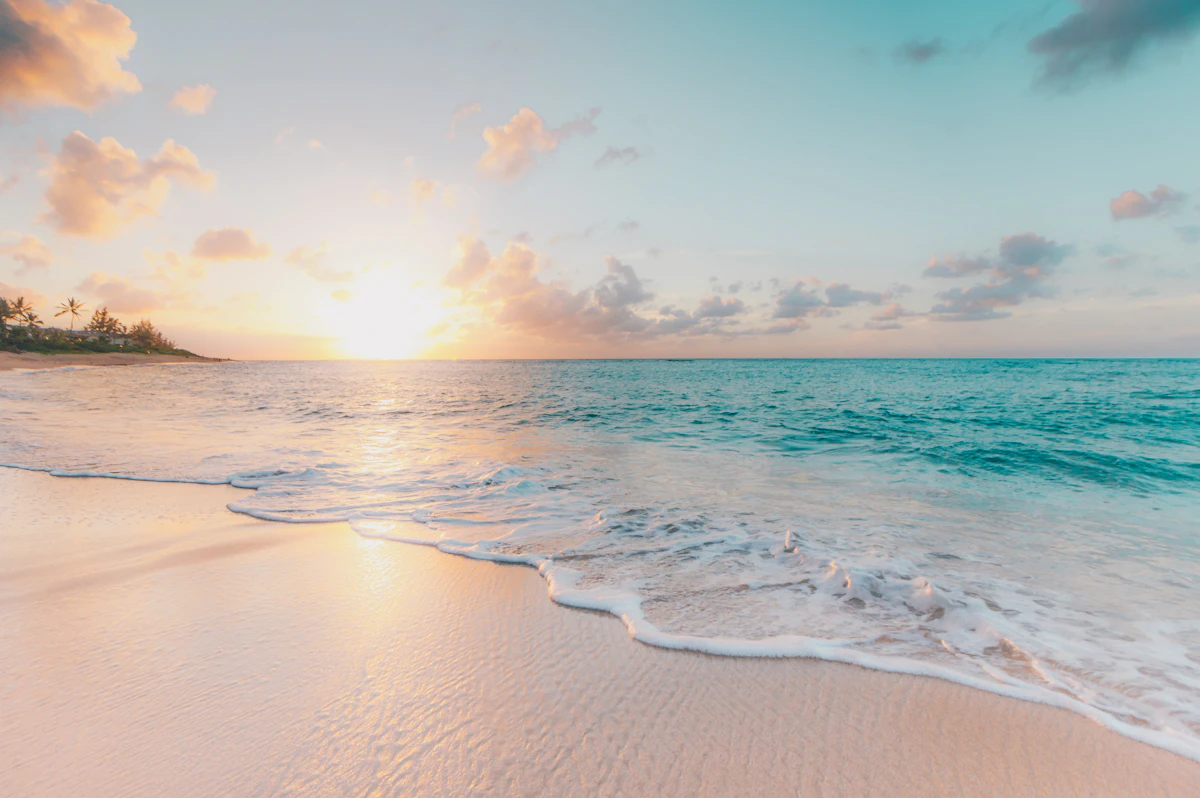
The beach announces itself not with sand but with an amphitheater of stone. Massive boulders, some the size of fishing boats, tumble down from the headland and into the surf. You pick your way across them, hands steadying you against surfaces slick with sea moss and warm from the afternoon sun. Between the rocks, tidal pools trap tiny fish and purple sea urchins. By late afternoon, the light turns honeyed and horizontal. You settle onto a flat rock still radiating heat and watch the sun descend toward the Caribbean. The waves hit the offshore stones and throw up plumes of white foam that catch the light. Pelicans skim the surface, wings nearly grazing the swells. The sky deepens from peach to plum. Local families arrive with coolers and settle into the few sandy pockets between the rock formations. Someone's radio plays joropo, and the smell of grilled fish drifts over from a vendor who's set up near the access path. You stay until the first stars appear, the rocks beneath you finally beginning to cool, the rhythm of the waves constant against the stone.
Places, rentals, tours and events within walking and driving distance of Playa El Morro de Puerto Santo.
Photos
Playa El Morro de Puerto Santo is a rocky beach, which means swimming conditions differ significantly from sandy beaches. The rocky coastline can create challenging entry and exit points, and underwater rocks require caution. Swimming here is generally better suited for experienced swimmers who are comfortable navigating uneven surfaces. Water shoes are highly recommended to protect feet from sharp rocks. Wave action against rocks can be unpredictable, so assess conditions carefully before entering. This location is often more appreciated for its scenic beauty and sunset views rather than as a primary swimming destination.
The best time to visit Playa El Morro de Puerto Santo is during good weather conditions, particularly in the dry season from December to April when skies are clearest for enjoying the scenic coastal views. The beach is especially renowned for sunset viewing, so late afternoon visits are particularly rewarding. Calmer sea conditions make the rocky coastline safer to explore. During the wet season, rougher seas can create dramatic wave action against the rocks, which is visually spectacular but potentially hazardous. Always check weather forecasts and tide information before visiting rocky coastal areas.
Playa El Morro de Puerto Santo is located in the Río Caribe area of Sucre state. Access typically requires local transportation such as taxis or private vehicles from Río Caribe town. Given its rocky nature, the beach may have less developed access than major sandy beaches, so inquire locally about current road conditions and specific directions. The journey time from Río Caribe is generally short, likely 15-30 minutes depending on exact location. Local drivers and accommodation hosts are usually familiar with the site and can provide specific guidance and potentially arrange transportation.
As a rocky scenic coast rather than a major beach destination, Playa El Morro de Puerto Santo likely has limited on-site facilities. Food vendors may be scarce or seasonal, so bringing your own provisions is advisable. For meals and accommodation, Río Caribe town serves as the main base, offering restaurants, hotels, and guesthouses within reasonable distance. Some visitors pack picnics to enjoy while watching the sunset from the rocky coastline. Always bring adequate water, sun protection, and any supplies you might need, as services at this more natural, undeveloped location are minimal.
Playa El Morro de Puerto Santo distinguishes itself through its dramatic rocky coastline and reputation as an exceptional sunset viewing location. Unlike the region's sandy beaches, this rocky shore offers a more rugged, natural coastal experience with interesting geological formations where the mountains meet the Caribbean Sea. The rocky terrain creates unique photo opportunities, especially during golden hour when the setting sun illuminates the coast. It appeals to visitors seeking scenic beauty and tranquility rather than traditional beach activities. The undeveloped nature provides a more authentic, peaceful experience compared to busier sandy beaches.