Counting the waves…
Counting the waves…
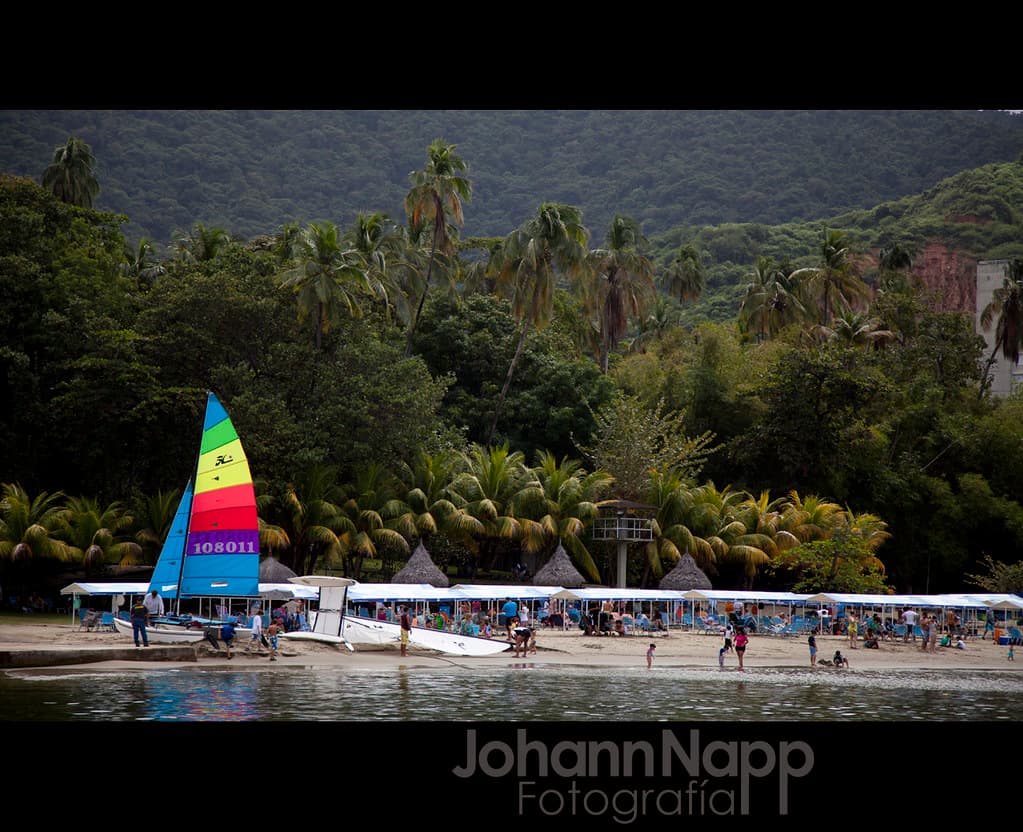
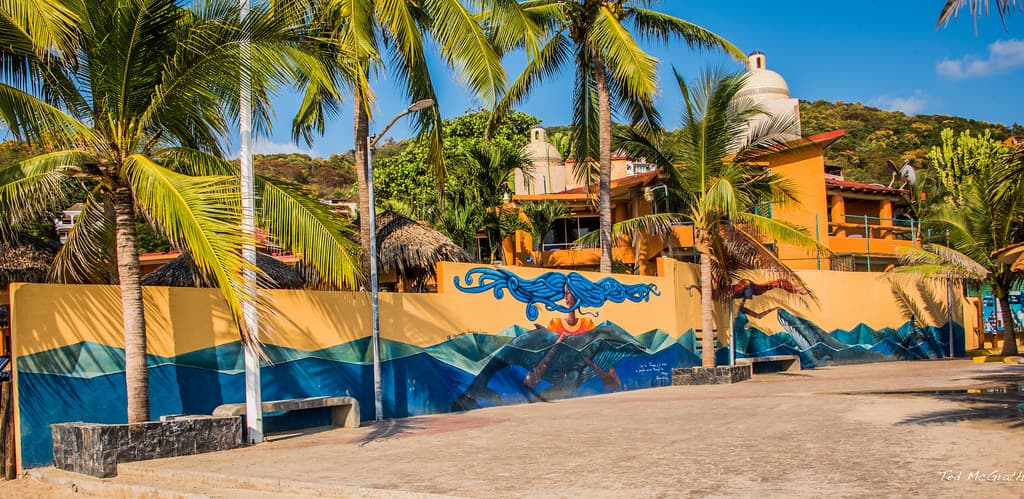
The scent of grilled pescado frito drifts from shoreline stands as you step onto the narrow strand where Cabimas meets Lake Maracaibo. Miramar isn't manicured; it's a working waterfront where oil-industry families spread blankets on weekday afternoons and children wade into the calm, coffee-tinted water. Wooden pilings jut from the shallows, relics of old piers, and the breeze carries diesel faint from the refineries that built this city. Sunset here unfolds in burnt orange and violet, the sky reflected in the lake's glassy surface as boats return with the day's catch. Vendors sell raspados—shaved ice doused in tamarind syrup—from pushcarts, and the murmur of conversations in Zuliano Spanish blends with the slap of small waves. No beachfront resorts interrupt the view; just low-rise homes and the occasional painted mural celebrating local heritage. You come to Miramar not for amenities but for authenticity. This is Venezuela's oil heartland at rest, a sliver of sand where laborers and their families claim leisure on their own terms. The water stays shallow for dozens of metres, warm as bathwater, and the horizon stretches unbroken except for the silhouettes of drilling platforms—a reminder that even beaches here belong to the rhythms of extraction and resilience.
Places, rentals, tours and events within walking and driving distance of Playa Miramar.
Photos
Swimming at Playa Miramar depends on Lake Maracaibo's current water quality, which can fluctuate in urban areas. The lake typically has calm waters without ocean waves or strong currents. As an urban beach in Cabimas, water clarity may be affected by city activity. Check local conditions and water appearance before swimming. Visit during daylight hours for better safety and visibility. While locals do use the beach, always exercise caution and supervise children closely. The beach is more commonly used for strolling and sunset viewing than intensive swimming.
Playa Miramar is best visited during weekdays or early mornings for fewer crowds and a more peaceful experience. The dry season from December to April provides the most comfortable weather conditions. Sunset hours are highly recommended given the beach's reputation for beautiful evening views over Lake Maracaibo. Budget travelers will find year-round affordable access. Avoid peak weekend hours when local families are most likely to visit. Late afternoon visits combine pleasant temperatures with the beach's signature sunset appeal in this hidden urban setting.
Playa Miramar is located within Cabimas city on Lake Maracaibo's eastern shore. From Maracaibo, take a bus or drive approximately 45 minutes to one hour along the regional highway. Within Cabimas, local taxis or mototaxis can take you to the Miramar waterfront sector. Ask for 'Playa Miramar' or the Miramar beach area. The beach is part of the urban landscape, making it accessible by local transportation. Basic Spanish will help with directions and navigation in this predominantly local destination.
Being in urban Cabimas, you'll find various local eateries, street food vendors, and small restaurants within walking distance or short taxi ride from Playa Miramar. Budget-friendly Venezuelan staples like arepas, empanadas, and fresh fish are readily available. Beach vendors may offer snacks and cold drinks. Accommodation options exist in Cabimas itself, mainly modest hotels and guesthouses serving business and local travelers. For more lodging variety, consider staying in Maracaibo and visiting Playa Miramar as a day trip. Plan for basic, budget-oriented amenities.
Playa Miramar represents a hidden urban beach experience in Cabimas, an oil-industry city on Lake Maracaibo's shore. Generic travel data often overlooks such local urban beaches, but they offer authentic Venezuelan coastal life. The sunset views are particularly noted, providing a peaceful escape within the city setting. Unlike tourist beaches, Miramar caters to local residents seeking lakeside relaxation and community gathering space. This authenticity appeals to travelers wanting genuine cultural immersion and budget-friendly beach access without tourist development or commercialization.