
Counting the waves…
Counting the waves…

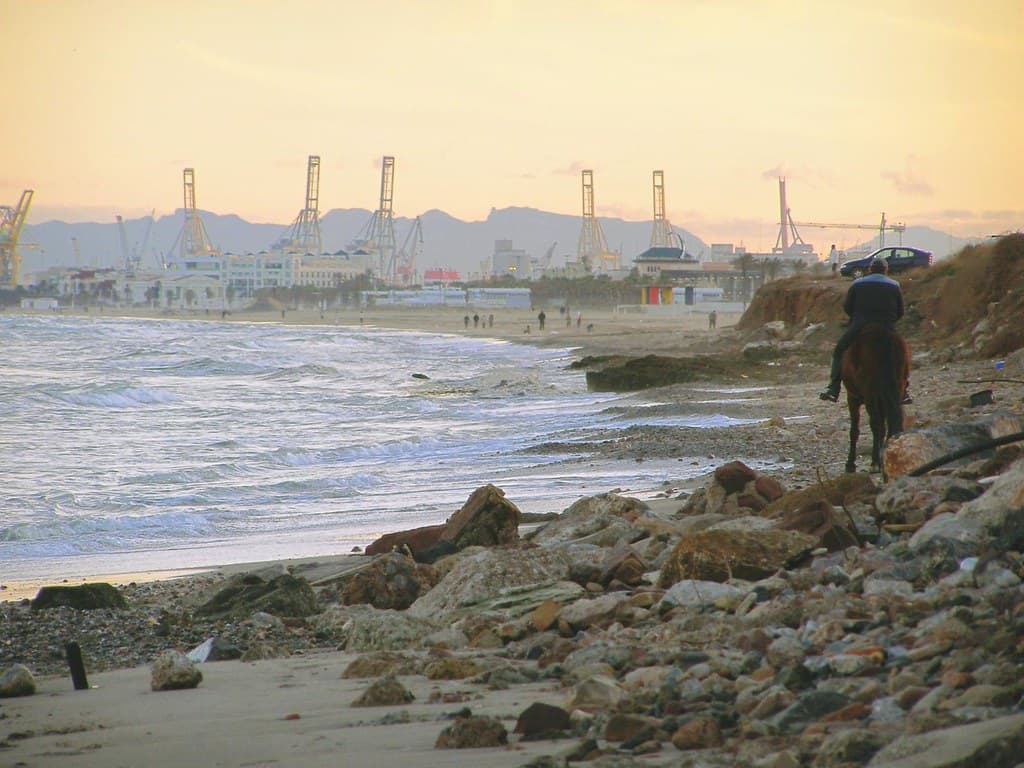
This stretch of Lake Maracaibo's shore serves the fishermen of San Rafael de El Moján first, beachgoers second. Early morning, you'll find men loading ice into boats, checking engines, heading out onto the lake's calm surface. By midday, the beach empties except for a few families seeking shade under makeshift shelters—tarps strung between posts, branches leaned together. The sand is coarse, littered with shells, rope fragments, and the occasional fish scale glinting in the sun. The water is shallow for dozens of meters, warm and murky, with a soft bottom that sucks at your feet when you wade in. Children play in the shallows while their mothers wash clothes in buckets nearby, scrubbing and wringing in the same water. It's not picturesque in any conventional sense, but it pulses with purpose. You'll hear the rhythmic slap of wet laundry, the creak of boat hulls settling, the call of gulls circling overhead hoping for scraps. Late afternoon brings the boats back. Fishermen haul their catch onto the sand—snapper, catfish, sometimes a small shark—and begin the work of cleaning and sorting. Buyers arrive, haggling in rapid Spanish, while the day's unsold fish are packed in ice. If you linger, someone might offer you a beer, ask where you're from, wonder why you're photographing their everyday work. This is Puerto Caballo: functional, unglamorous, and unapologetically real.
Places, rentals, tours and events within walking and driving distance of Playa Puerto Caballo.
Photos
Playa Puerto Caballo is generally considered family-friendly with calm lake waters suitable for children. Lake Maracaibo's shores offer gentle waves and shallow areas where kids can play safely under supervision. As with any beach, parents should watch children constantly, as lifeguard services may be limited or absent. The beach tends to attract local families, creating a relaxed atmosphere. Keep belongings secure and avoid displaying valuables. Water quality can fluctuate, so observe whether locals are swimming before letting children enter the water.
The beach is accessible year-round with Zulia's consistently warm tropical climate. For fewer crowds and budget-friendly conditions, visit during weekdays outside Venezuelan school holidays and major festivals. The December-April dry season typically offers the most pleasant weather with less rainfall, though temperatures remain hot throughout the year. Mornings and late afternoons are ideal for sun bathing when temperatures are slightly cooler. The beach is quieter during the rainy season (May-November), though brief showers are common.
Playa Puerto Cabello is located in San Rafael de El Moján, north of Maracaibo along the lake's western shore. From Maracaibo, take a bus or por puesto heading toward El Moján or the border region; the journey takes approximately 45-90 minutes depending on traffic and your exact destination. Private taxis can be hired for direct transport. If traveling from other Venezuelan cities, you'll likely route through Maracaibo first. The road infrastructure in Zulia state can vary in quality, so allow extra time for travel.
San Rafael de El Moján is a smaller coastal town with basic services and accommodations. You'll find small family-run restaurants, beach food vendors, and casual eateries serving fresh fish, seafood, and traditional Venezuelan dishes. Lodging options are modest, with local posadas and small hotels offering budget-friendly rooms. For more extensive hotel and dining choices, many visitors base themselves in Maracaibo and make day trips to the beach. Bring cash, as card payment facilities may be limited in this area.
Playa Puerto Caballo represents an authentic, less-developed lake beach experience away from urban tourism. The beach maintains a strong local character, frequented primarily by families from El Moján and surrounding communities. Its location offers a quieter alternative to Maracaibo's city beaches while still providing sandy shores suitable for sun bathing and relaxation. The beach reflects the traditional lifestyle of Lake Maracaibo's coastal communities, where fishing and local culture remain integral to daily life. Visitors seeking hidden, uncommercial beach experiences will appreciate its low-key atmosphere.