Counting the waves…
Counting the waves…
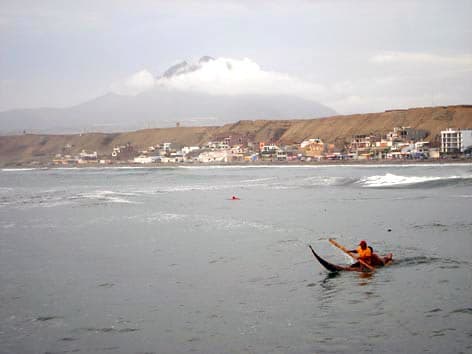
The shoreline at San Rafael del Moján's Bahía Sector reveals itself gradually as you navigate residential streets toward the water. No painted welcome arch announces your arrival, no parking lot awaits. Instead, the pavement simply ends where sand begins, and you step onto a beach that belongs to the dozen families whose homes face the gulf. Fishing nets dry on wooden frames, and a few aluminum dinghies rest upturned on the upper beach. The sand underfoot is coarse and brown, packed firm near the waterline where small waves fold over with barely a whisper. Palms provide scattered shade, their fronds rustling in the breeze that moves across Bahía El Tablazo. On weekdays you might have the entire stretch to yourself except for a fisherman checking his lines or a grandmother walking the shore collecting shells for her garden. What makes this beach matter is precisely its transitional nature—it exists in the margins between mapped and forgotten, between public and neighborhood common. You won't find amenities beyond what locals have improvised: a rope swing hung from a sea grape tree, a few concrete benches someone's grandfather poured decades ago. The water stays shallow for thirty meters out, warming to bathtub temperature by mid-afternoon, ideal for wading but unremarkable for swimming.
Places, rentals, tours and events within walking and driving distance of Playa El Moján (Bahía Sector).
Photos
Swimming conditions at Playa El Moján vary depending on its position along the transitional shoreline of Bahía El Tablazo. As a bay sector beach, waters may be calmer than open ocean areas but can be affected by boat traffic, tidal flows, and water quality considerations common to gulf areas. Lifeguard services are unlikely at this local beach. Water visibility and cleanliness can fluctuate. It's advisable to observe conditions carefully, ask local residents about current water quality, and exercise caution. The family-friendly designation suggests locals swim here, but visitors should use their own judgment.
Playa El Moján is listed as suitable for visiting anytime, offering year-round access for budget-conscious travelers. The dry season from December through April typically provides the most pleasant weather with less rainfall and comfortable temperatures. However, the beach's location in San Rafael del Moján means it can be enjoyed even during other months. Early mornings and late afternoons often offer the most comfortable conditions for beach activities. Weekdays tend to be quieter than weekends when local families visit. Budget travelers will find this beach accessible regardless of peak tourist seasons.
Playa El Moján is located in San Rafael del Moján, a town accessible by road from Maracaibo and other Zulia region locations. Public transportation such as buses or por puestos (shared taxis) typically serve this route. The journey involves traveling along the coast toward the Colombian border region. Once in San Rafael del Moján, ask locals for directions to the Bahía sector beach, as it's a transitional shoreline area that may not be prominently marked. Travel time varies depending on traffic and your starting point but is generally manageable as a day trip from regional cities.
San Rafael del Moján is a functioning town, so basic services including small restaurants, food vendors, and simple accommodations should be available in the community. Don't expect tourist-oriented facilities; options will be locally-run and budget-friendly, reflecting the beach's character. Beach-adjacent food stands or informal eateries may offer local seafood and Venezuelan staples. For overnight stays, basic hotels or guesthouses in town provide simple lodging. Many visitors treat this as a day trip destination. Bringing some provisions is advisable as options may be limited compared to larger cities.
Playa El Moján occupies a transitional shoreline position within Bahía El Tablazo, giving it a distinctive character different from typical Caribbean beaches. This bay sector location means the beach interfaces between the Maracaibo Strait system and the Gulf of Venezuela, creating unique coastal conditions. The area is described as easily missed without manual curation, suggesting it's not on standard tourist routes despite being accessible. This positioning offers visitors a chance to experience authentic local beach culture away from tourist crowds while remaining close to regional towns and transportation networks. It represents Venezuela's lesser-known coastal diversity.