
Counting the waves…
Counting the waves…

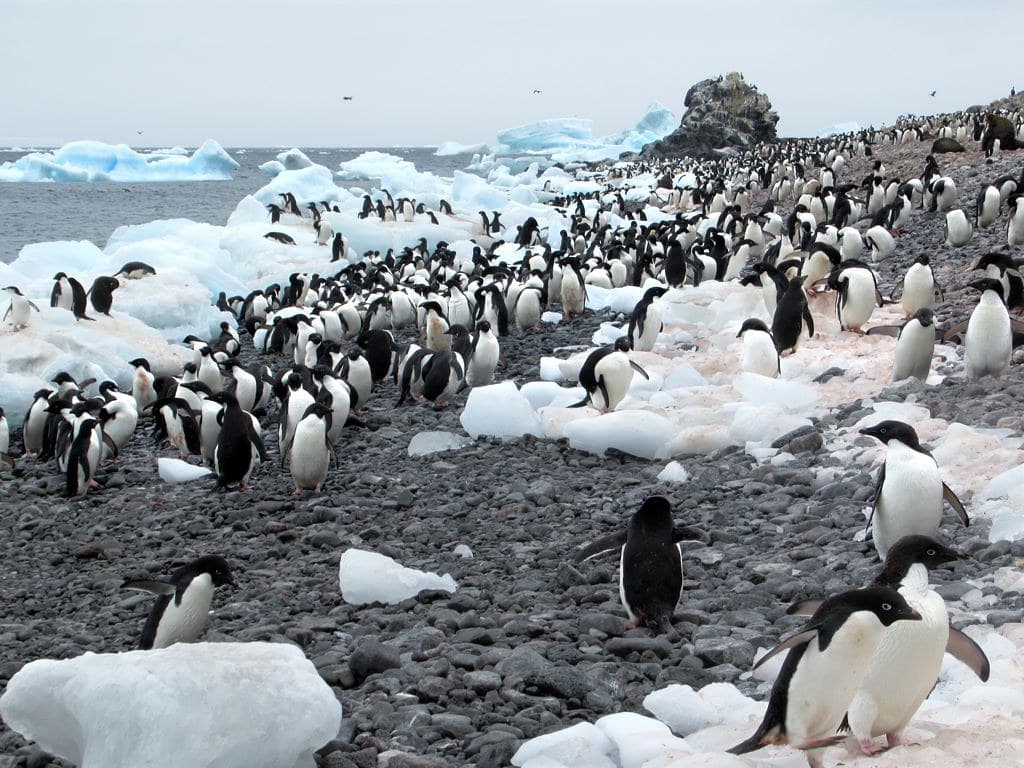
The zodiac grounds on Paulet Island with a satisfying crunch, and you realize the beach isn't black—it's every shade of ochre and sienna, volcanic scoria polished smooth by centuries of ice melt and penguin traffic. The colony stretches from shoreline to summit, a living carpet of 200,000 Adélie penguins whose synchronized croaks create a soundscape louder than any city you've left behind. Guano streaks paint the slope white against russet scree, and the smell hits you in waves: fish, ammonia, the metallic tang of the Southern Ocean. Above the rookery, a stone hut and cairn mark where Otto Nordenskjöld's Antarctic expedition overwintered in 1903 after their ship crushed in pack ice. You touch the lichen-crusted rocks they stacked, imagining seven months of darkness, blubber lamps, and penguin-meat sustenance. Today the penguins show no fear, tobogganing past your boots on their bellies, their tuxedo plumage flecked with mud and krill. The beach faces northeast into the Antarctic Sound, where tabular icebergs the size of shopping malls drift on currents darker than ink. Leopard seal heads pop up between ice pans, tracking penguin highways to the sea. You photograph until your fingers stiffen inside your gloves, knowing no Instagram filter can convey the rawness—the way cold air sears your lungs, the way life persists on stones at the bottom of the world.
Places, rentals, tours and events within walking and driving distance of Paulet Island Beach.
Photos
Swimming at Paulet Island Beach is not recommended and extremely dangerous. Antarctic waters maintain near-freezing temperatures year-round (around -1°C to 2°C), causing rapid hypothermia within minutes. The beach is primarily visited for wildlife observation rather than water activities. Visitors must maintain strict distance protocols from penguin colonies and stay with guided expedition groups at all times. Ice chunks and strong currents present additional hazards. All landings are conducted via Zodiac boats under supervised expedition conditions with strict safety protocols.
The best time to visit Paulet Island Beach is during the Antarctic summer (November through March), with peak conditions from December to February. These months offer the most stable weather, longer daylight hours (up to 20 hours), and active penguin breeding activity. December features courting penguins, while January-February showcases chicks. November sees earlier-season ice conditions, and March marks the beginning of autumn with potential for better whale sightings. Weather remains unpredictable year-round, with temperatures ranging from -5°C to 5°C during summer months.
Paulet Island Beach is only accessible via expedition cruise ships operating in the Antarctic Sound region. There are no regular ferry services or independent travel options. Most visitors depart from Ushuaia, Argentina, on multi-day Antarctic expeditions lasting 10-20 days. Landings at Paulet Island are conducted via Zodiac inflatable boats, weather and ice conditions permitting. Not all Antarctic cruises include Paulet Island in their itinerary, so verify your route beforehand. Access is subject to IAATO regulations limiting visitor numbers and requiring permitted expedition operators.
Paulet Island has no facilities, amenities, or infrastructure whatsoever. There are no restaurants, shops, toilets, or lodging options on the island itself. All food, accommodation, and facilities are provided aboard your expedition cruise ship. Visitors must follow strict Antarctic Treaty protocols, including carrying out all waste. Landings are typically brief (1-3 hours) with visitors returning to their ship for all needs. The island is an uninhabited wilderness area protected for scientific research and wildlife conservation, with only historic hut ruins from a 1903 Swedish expedition remaining.
Yes, Paulet Island hosts one of Antarctica's largest Adélie penguin colonies, with approximately 100,000 breeding pairs. This is the primary reason for visiting this remote beach. Visitors can observe penguins nesting, feeding chicks, and traveling between colonies and the sea from designated viewing areas. Strict protocols require maintaining at least 5 meters distance from wildlife. The island also features historic ruins from Nordenskjöld's 1903 Swedish Antarctic Expedition. All visits are guided, and landing permits are weather-dependent and limited to protect this sensitive ecosystem.