Counting the waves…
Counting the waves…

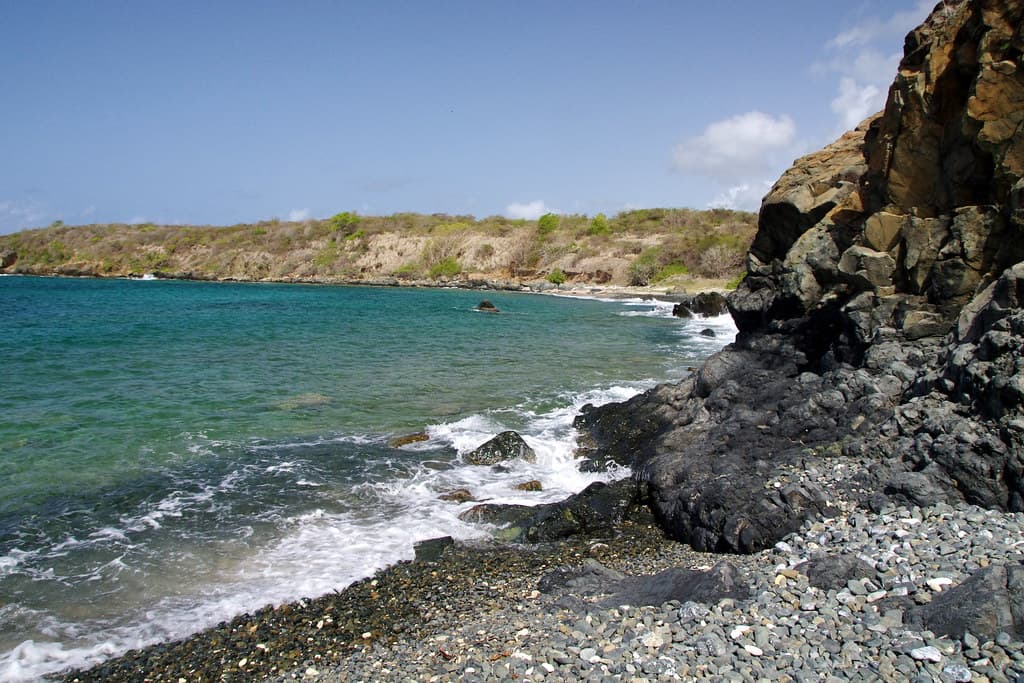
Winter Island sits tucked within the Argentine Islands archipelago, a scatter of rock outcrops where the Ukrainian Vernadsky Research Station anchors one of the most remote scientific communities on Earth. The beach itself is a crescent of dark, fist-sized pebbles worn smooth by millennia of ice and tide, framed by low cliffs streaked with lichen in improbable shades of chartreuse and rust. When you arrive by Zodiac, typically during the brief Antarctic summer, the silence is profound—broken only by the mewling of penguin colonies and the distant crack of calving ice. The shore serves as a landing point for expedition cruises threading through the Penola Strait, and stepping ashore feels like trespassing on a world that has no use for humans. Kelp gulls wheel overhead. Weddell seals bask on nearshore ice pans, their breath condensing in silver plumes. The pebbles shift and clatter underfoot with a sound unlike any beach in temperate latitudes, a percussion of stone against stone in sub-zero air. Timing matters: arrive between November and March when the pack ice retreats and daylight stretches to twenty hours. The research station occasionally opens its bar—yes, a bar in Antarctica—where you can buy a shot of vodka distilled on-site and swap stories with scientists who winter over in total darkness. But the beach itself asks nothing of you except presence, a willingness to stand on the frozen margin of the world and feel how small, how recent, your species truly is.
Places, rentals, tours and events within walking and driving distance of Winter Island Beach.
Photos
Swimming is not recommended at Winter Island Beach due to water temperatures near freezing year-round, typically ranging from -2°C to 2°C. Immersion in Antarctic waters can cause cold shock and hypothermia within minutes. The beach is primarily visited for wildlife observation and scientific research. If you must enter the water for any reason, specialized dry suits and safety protocols are essential. Most visitors explore the pebble shoreline and observe seals and penguins from land during expedition cruise landings.
The Antarctic summer season from November through March offers the best conditions, with December to February being optimal. During these months, temperatures are least extreme (averaging -5°C to 5°C), and there are 20-24 hours of daylight. This period also coincides with peak wildlife activity, including penguin breeding seasons. Sea ice conditions are most favorable for boat access during these months. Weather remains unpredictable year-round, and visits during other months are generally impossible due to ice and darkness.
Access to Winter Island Beach requires joining an organized Antarctic expedition cruise or scientific research program. Most expedition vessels depart from Ushuaia, Argentina, taking 2-3 days to cross the Drake Passage. Once in the Antarctic Peninsula region, smaller zodiac boats transport passengers from the ship to the beach. Landing permits are regulated by the Antarctic Treaty System. Independent travel is not permitted. The beach is near the Argentine Islands research area, making it a possible stop on scientific or tourism itineraries.
There are no commercial food or lodging facilities at Winter Island Beach. All visitors stay aboard expedition cruise ships anchored offshore, which provide meals and accommodation. Nearby research stations may have basic facilities but are reserved for scientific personnel. Day visits typically last 1-3 hours with no amenities on shore. Visitors must return to their vessel for all services. Some expedition ships carry supplies for brief shore-side meals, but permanent infrastructure does not exist in this remote Antarctic location.
Winter Island Beach stands out for its proximity to active research stations in the Argentine Islands archipelago, offering insights into Antarctic science operations. The pebble beach provides excellent wildlife viewing opportunities, particularly for Adélie and gentoo penguins, as well as Weddell seals. Its relatively sheltered location near the Antarctic Peninsula's west coast sometimes allows for calmer zodiac landings compared to more exposed sites. The surrounding glacial scenery and ice formations create exceptional photographic opportunities, while the area's scientific importance adds educational value to visits.