Counting the waves…
Counting the waves…

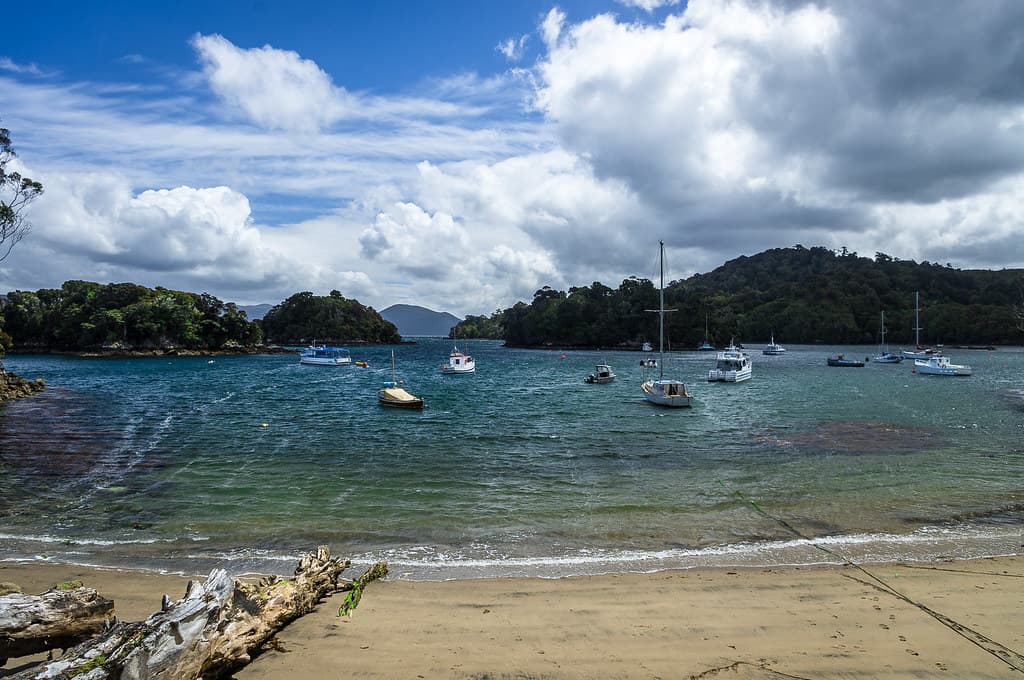
The zodiac nudges against a beach of rounded volcanic stones, each one polished by waves that have traveled uninterrupted from the Antarctic Peninsula. You step onto Bristol Island—an active volcano wrapped in glaciers, its shore a narrow ribbon of black and grey pebbles hemmed between ice cliffs and the churning Southern Ocean. Steam rises from fissures in the beach itself, where geothermal heat meets polar air, creating microclimates warm enough to melt snow within arm's reach of permanent ice. The soundtrack here is relentless: waves grinding stones, glaciers calving into the sea, the occasional rumble from Mount Sourabaya above. Elephant seals sprawl across the upper beach, their bulk displacing hundreds of pebbles with each labored movement. The smell toggles between brine and volcanic sulfur, depending on wind direction. No driftwood, no shells—just igneous rock in shades of charcoal and rust. Expedition cruises anchor offshore perhaps twice a season, weather and permits allowing. You'll have an hour, maybe two, before swells or katabatic winds force evacuation. The Southern Ocean doesn't negotiate. Every pebble you pocket will smell faintly of sulfur for months, a reminder that you stood where tectonic fury meets Antarctic silence.
Places, rentals, tours and events within walking and driving distance of Bristol Island Beach.
Photos
Swimming at Bristol Island Beach is extremely dangerous and should never be attempted. The surrounding waters maintain near-freezing temperatures year-round, causing rapid onset of hypothermia within minutes. Strong ocean currents, unpredictable surf conditions, and frequent storms create life-threatening hazards. The volcanic pebble beach provides no safe swimming access points, and the complete remoteness of the location means zero emergency response capability. Additionally, Bristol Island is an active volcanic island, adding geothermal and volcanic hazards to the area. Visitors should observe the beach only from a safe distance during supervised landings.
Bristol Island Beach is best approached during the austral summer period from late November through March, when weather conditions are marginally more favorable and daylight hours are extended. During these months, sea ice extent is reduced, potentially improving boat access to the island. However, the South Sandwich Islands experience notoriously severe weather year-round, with violent storms, high winds, and rough seas occurring even in summer. Successful landings remain highly uncertain regardless of season, and expedition leaders must evaluate conditions on a day-by-day basis to determine if approaching the shore is possible.
Bristol Island Beach can only be reached via specialized expedition cruises designed for extreme sub-Antarctic environments. These rare voyages depart from ports like Ushuaia, Argentina, or Stanley in the Falkland Islands, requiring several days of challenging ocean passage. The journey crosses some of the world's stormiest waters, and landings use Zodiac-style inflatable boats in weather-dependent conditions. Very few expedition companies include the South Sandwich Islands in their itineraries due to the extreme remoteness and difficulty. Bookings typically require significant advance planning and considerable expense for these once-in-a-lifetime expeditions.
Bristol Island is entirely uninhabited and offers no facilities, accommodations, or services of any kind. The island has no buildings, shelters, fresh water sources, or infrastructure suitable for visitors. All travelers must remain based on their expedition cruise ship, which provides all sleeping quarters, meals, bathroom facilities, and supplies. Ships visiting this region are fully self-contained and provisioned for extended periods without resupply. Shore visits are brief excursions lasting only a few hours before returning to the vessel. There are no alternatives to ship-based accommodation in this utterly remote location.
Bristol Island Beach is distinguished by its active volcanic setting, with the island dominated by Mount Sourabaya, an active volcano that occasionally emits steam and has experienced recent eruptions. This creates a rare opportunity to observe pristine volcanic beaches in one of the world's most isolated locations. The shoreline hosts wildlife including fur seals and nesting seabirds that have rarely encountered humans. The beach's extreme remoteness means it receives perhaps only a handful of visitors every few years, making any landing an exceptional achievement. The combination of volcanic geology and polar isolation creates an unparalleled beach environment.