Counting the waves…
Counting the waves…
A refined fusion of water purity, environmental stability, and communal vibrancy for Elephant Beach.
View MethodologyAnalyzed via live sensors and environmental data.
Wave height, wind, and atmospheric stability.
Live footfall and crowd balance metrics.
Community reviews and curated sentiment.
“You step onto Elephant Beach and the salt wind carries the guttural rumble of bull seals hauled out on blonde sand. Gentoo penguins waddle past tussock grass while caracaras wheel overhead. The nearest road is an ocean…”
Limited recent visitor reports — live OBI telemetry is your best guide for current conditions.
Elephant Beach sprawls along the northern shore of Carcass Island, a seven-mile speck in the northwest Falklands where human footfall is measured in dozens, not thousands, each season. You reach it by chartered boat from West Falkland or Stanley, then a short walk from the settlement past knee-high tussock that hisses in the relentless westerlies. The beach itself stretches in a gentle crescent, backed by low dunes and fronted by kelp-strewn tide lines where southern giant petrels pick through the wrack.
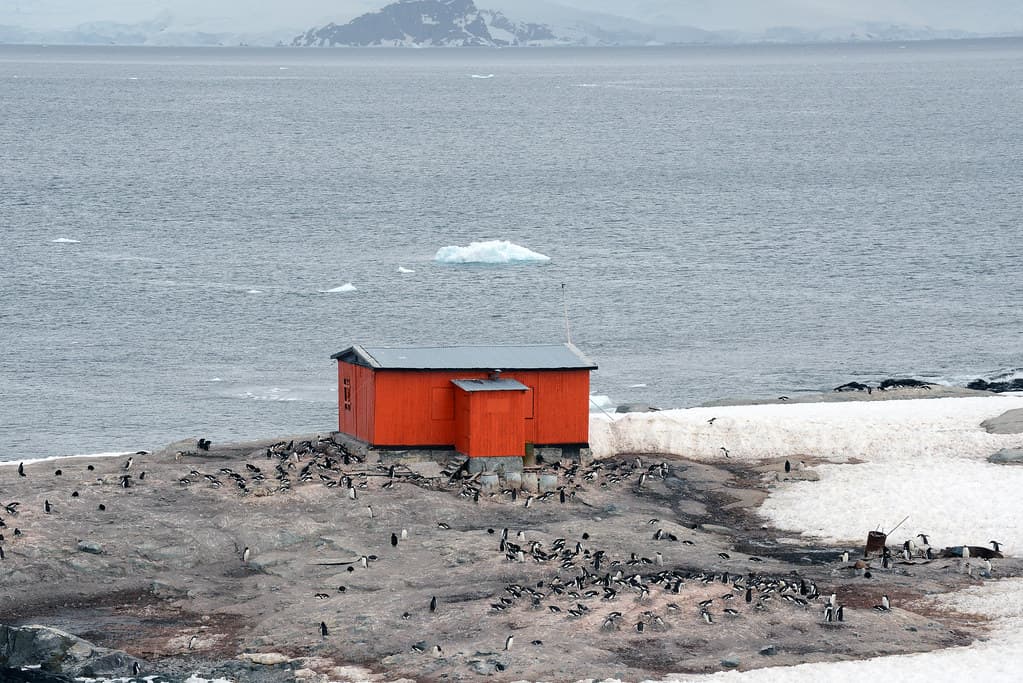
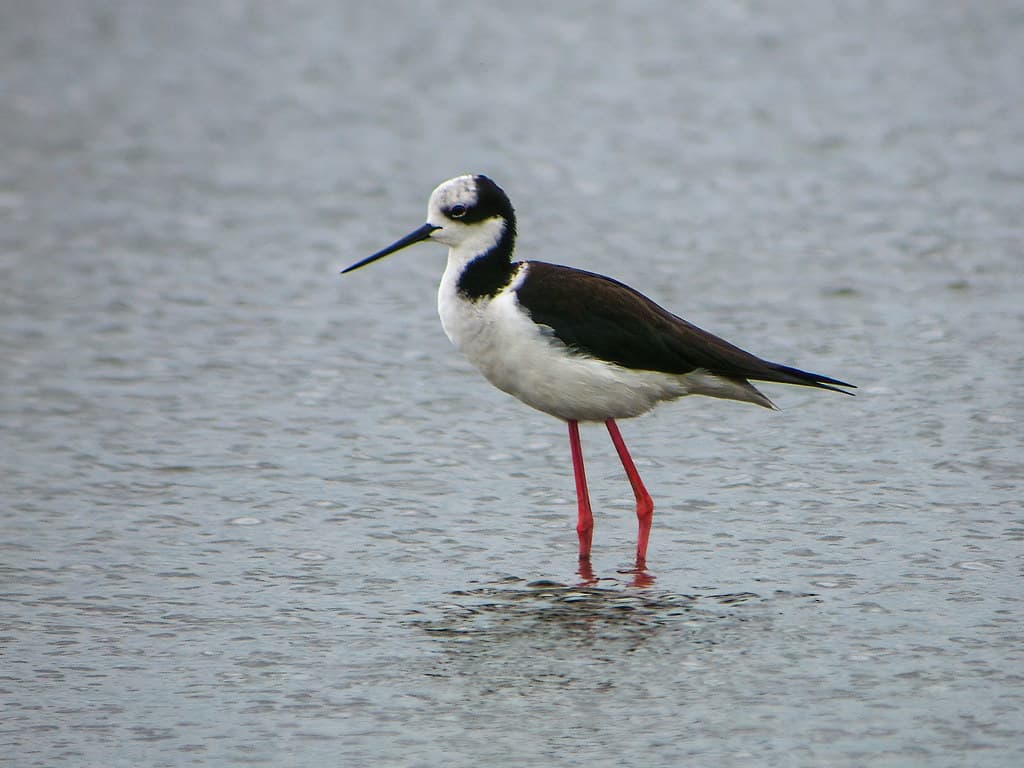
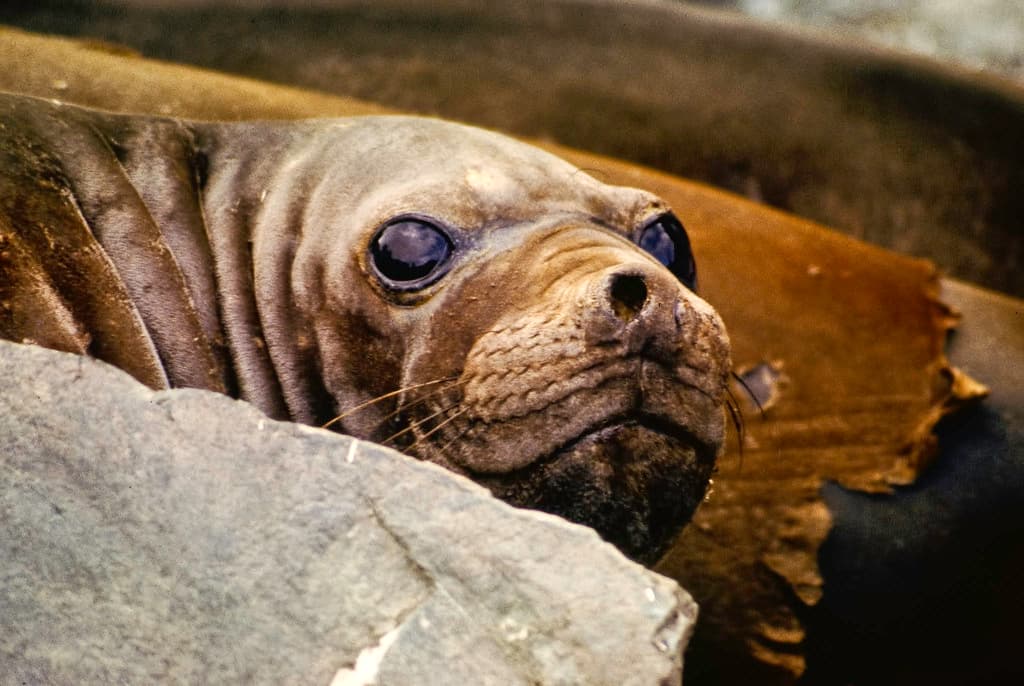
The name hints at the true attraction: southern elephant seals, including massive bulls that can weigh three tons, sprawl across the upper beach during breeding months. You'll share the strand with Magellanic and gentoo penguins commuting between burrows and surf, upland geese grazing the dune grass, and Falkland thrushes so unbothered by your presence they'll hop within arm's reach. The wind never quite stops, carrying the briny funk of seal colonies and the high keening of skuas.
 Credit: Unsplash
a sandy beach with a body of water in the background
 Credit: Unsplash
sea waves crashing on shore during daytime
Bulls loll within ten meters
Thrushes follow your boots closely
Gentoos nest in dune grass
Prime Visitation
Best Weather | Less Crowds
Where it is
Elephant Beach
Carcass Island, Antártida e Islas del Atlántico Sur, Argentina
-51.279500°, -60.529800°
Weather
Loading…
Swell
—
Temp
Warm · Restorative
UV Index
Moderate
Wind
—
Tidal State
Last known
Max Sunlight
—
Ideal Shade
—
Jan - Dec (Peak)
Mar - Nov (Off-season)
Best Weather | Less Crowds
Select a category to load nearby places.
Unlock restaurants, luxury stays and curated maritime experiences within 2km
Swimming at Elephant Beach is not recommended due to extremely cold water temperatures between 3-9°C year-round, typical of Falkland Islands waters. The remote island location means medical assistance is hours away, and hypothermia can occur within minutes without specialized equipment. The beach is best enjoyed for wildlife observation, photography, and coastal walks rather than water activities. Wildlife including seals and seabirds may be present, requiring visitors to maintain safe, respectful distances. Focus on the exceptional wilderness experience and birdlife rather than swimming. Always prioritize safety in this isolated environment.
Visit Elephant Beach during the Falklands summer season from November through March for optimal weather and wildlife viewing. November and December offer peak seabird breeding activity and penguin presence, ideal for nature enthusiasts and photographers. January and February provide the warmest temperatures (8-15°C) and longest daylight hours for exploration. March sees fewer visitors while still maintaining reasonable conditions. Weather remains unpredictable year-round, so pack multiple layers and waterproof gear. Book Carcass Island visits well in advance as access is limited and accommodation capacity is extremely small.
Reaching Elephant Beach requires first traveling to Carcass Island via FIGAS (Falkland Islands Government Air Service) small aircraft from Stanley, a 30-45 minute flight subject to weather conditions. Alternatively, arrange boat transfers through specialized operators, though seas can be rough. Once on Carcass Island, Elephant Beach is accessible via walking trails from the settlement area, typically requiring 30-60 minutes depending on exact location and paths. Coordinate all visits with island landowners in advance. The journey's complexity ensures an exclusive, uncrowded experience. Weather can delay flights, so build flexibility into travel plans.
Carcass Island offers extremely limited accommodation, typically a small guesthouse or cottage managed by the island's owners, requiring advance booking often months ahead. Meals are generally included and provided by hosts, featuring local ingredients and home cooking. No commercial restaurants, shops, or facilities exist on the island. Visitors must bring any special items, medications, and personal necessities from Stanley. The intimate setup provides authentic island hospitality and ensures minimal environmental impact. This remoteness is part of the appeal, offering genuine wilderness immersion unavailable at conventional tourist destinations.
Elephant Beach offers exceptional birdlife viewing, with Carcass Island hosting diverse seabird colonies including Magellanic penguins, gentoo penguins, southern rockhopper penguins seasonally, and numerous petrel species. The island is particularly known for its tame birdlife, allowing close observation opportunities. You may encounter caracaras, oystercatchers, and various waterfowl. Marine mammals including seals occasionally haul out on beaches. The wilderness setting provides intimate wildlife encounters in natural habitats with minimal human disturbance. Always maintain respectful distances and follow wildlife viewing guidelines to protect these vulnerable populations and ensure your safety.
Photos